Tokyo, Japan - Researchers from the Institute of Industrial Science, the University of Tokyo (UTokyo-IIS) have designed novel linear nanomotors that can be moved in controlled directions using light. This work opens the way for new microfluidics, including lab-on-a-chip systems with optically actuated pumps and valves.
The world of nanoscale machines looks very different to the one containing the contraptions to which we have become accustomed. For example, powering and precisely controlling a motor smaller than a single bacterium can be much more difficult than, say, driving a car.
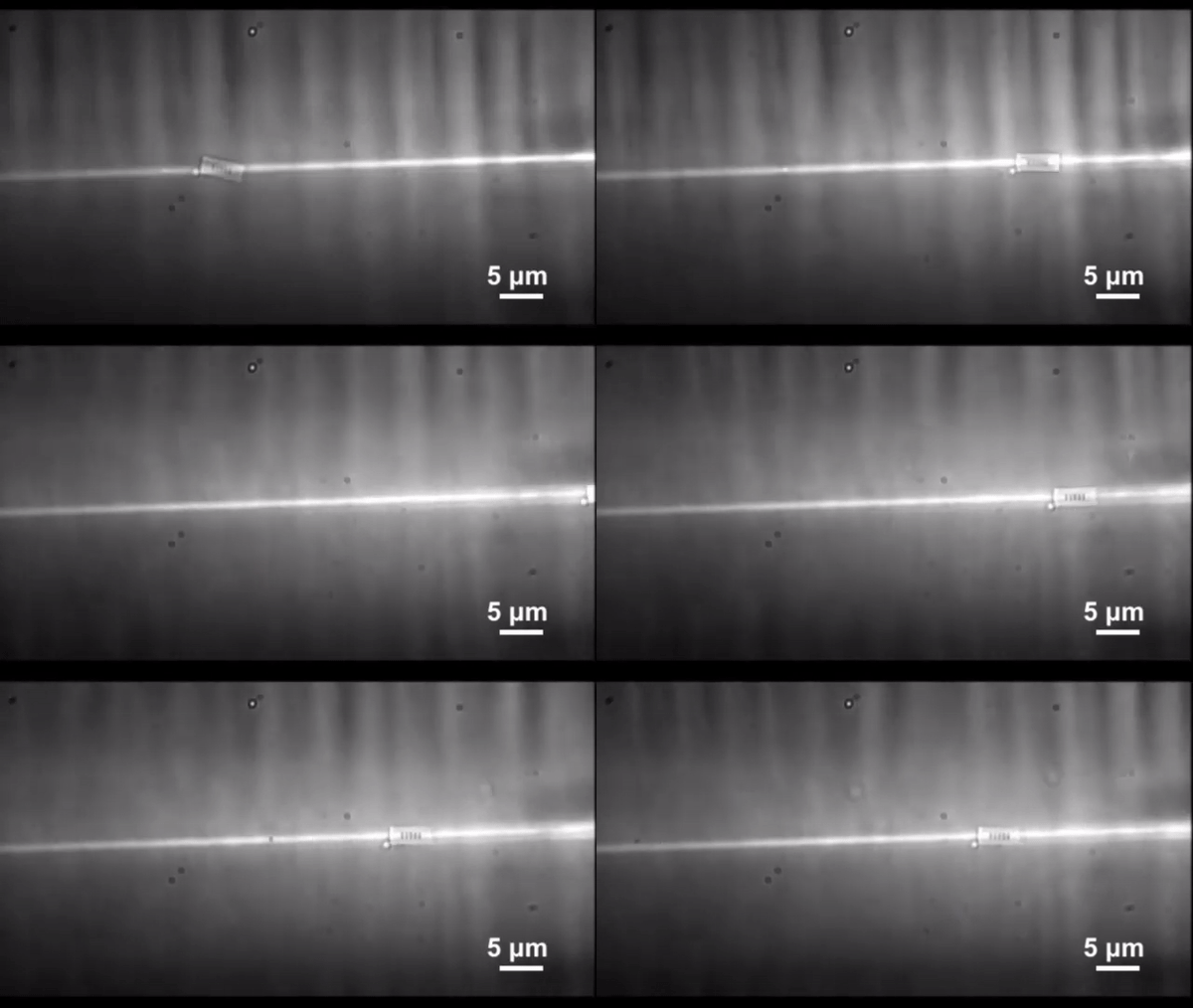
Now, a team of scientists led by UTokyo-IIS have introduced a system of linear motors made from gold nanorods that can move in a controlled direction when exposed to laser light. Like a sailboat that can move in any desired direction by adjusting the rigging, these nanomotors are not constrained to follow the direction of the light. Rather, they move based on their orientation even when exposed to a laser beam traveling from another angle.
The motion is powered by the lateral optical force created from the sideways scattering of light from the particles. As a result, the need to focus or shape the laser beam with lenses, which was once a difficult task, is eliminated. In addition, motor sizes are not constrained by the wavelength of light, unlike with previous devices.
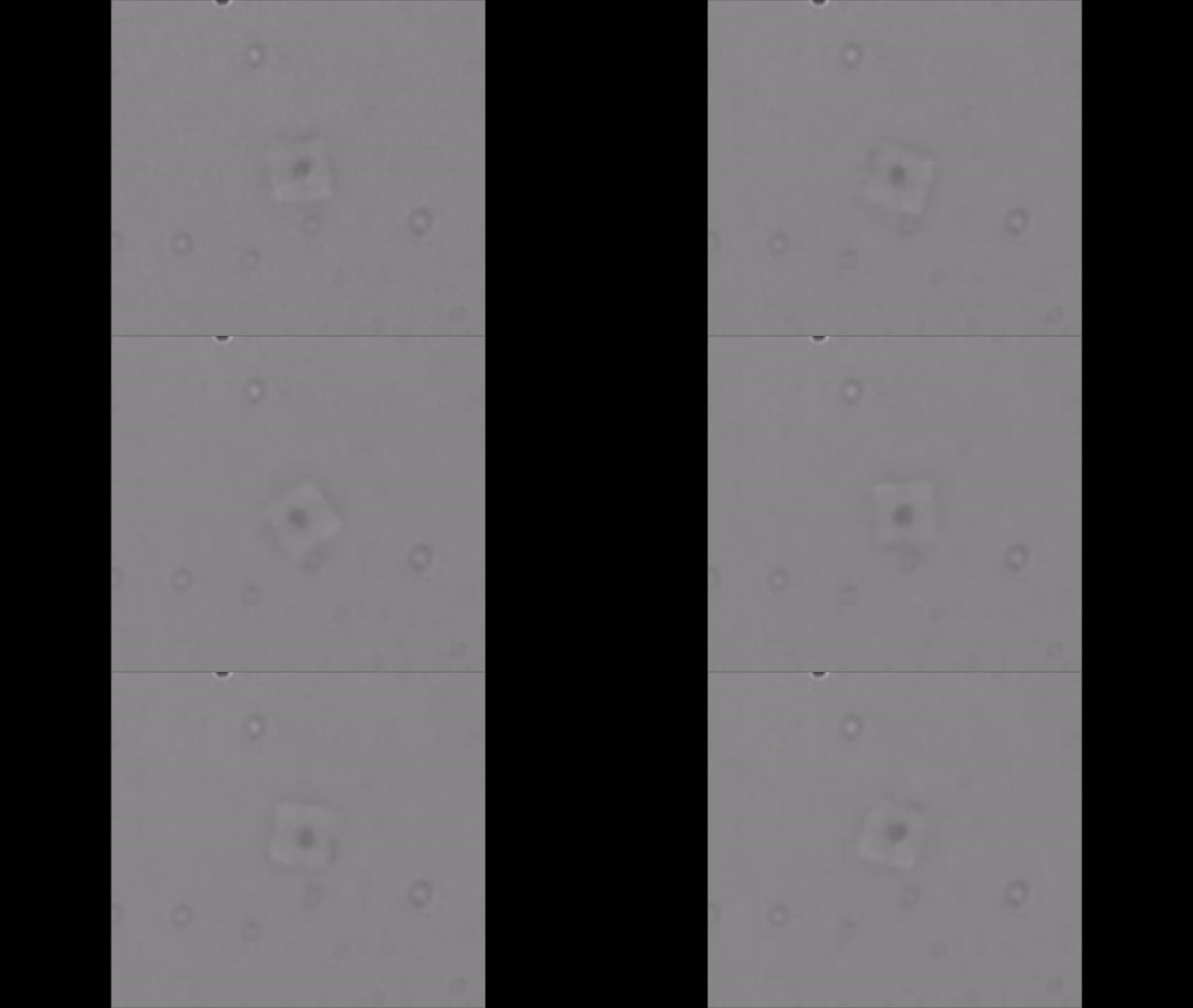
"Instead of being limited to moving in the direction of laser light or the field gradient, the direction is determined by the orientation of the nanoparticles themselves," first author Yoshito Tanaka says. The key to this technology is the localized surface plasmon resonance--collective oscillations of free electrons--within periodic arrays of nanorods. These can produce scattered light in a particular direction. "Careful design of the separation between nanorods leads to constructive interference in one direction and destructive interference in the other. This allows us to produce directional scattering to propel the nanomotor," senior author Tsutomu Shimura says.
The researchers envision using this technology to create a new platform for nano-sized machinery with moving parts that follow predetermined paths while being nudged along by unfocused light. This will greatly reduce the cost and complexity of these devices while also improving precision and reliability.
Contact
Yoshito Y. Tanaka
Institute of Industrial Science
University of Tokyo
yoshito@iis.u-tokyo.ac.jp
Reference
Plasmonic linear nanomotor using lateral optical forces
Yoshito Y. Tanaka, Pablo Albella, Mohsen Rahmani, Vincenzo Giannini, Stefan A. Maier, and Tsutomu Shimura
When you think of a robot, images of R2-D2 or C-3PO might come to mind. But robots can serve up more than just entertainment on the big...
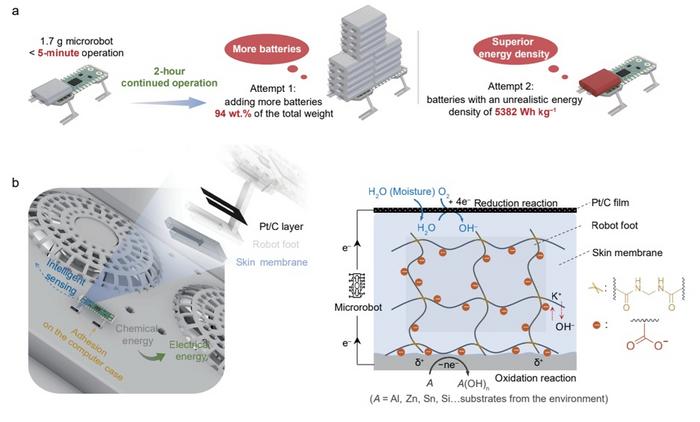
A Fudan University team has built a microrobot skin that generates electricity from the surface it walks on, eliminating onboard batteries. The crosslinked potassium polyacrylate membrane, as thin as 135 micrometres, reacts with aluminum, zinc and other active substrates plus atmospheric moisture and oxygen, reaching 133 mW cm−2 on zinc, roughly ten times typical microbatteries.
In northeastern Brazil, termites have transformed an area about the size of Great Britain by sensing their environment, communicating with each other about it and working together to build vast tunnel systems. Inspired by this and other instances of the small but mighty collective activity in nature, Cornell physics researchers have made robots that for the first time can sense the temperature of their surroundings and react together to change it. “Little things can have a large impact,” said...
This week in nanotech
$13.6M raised
3 funding rounds · 20 deals tracked
New products
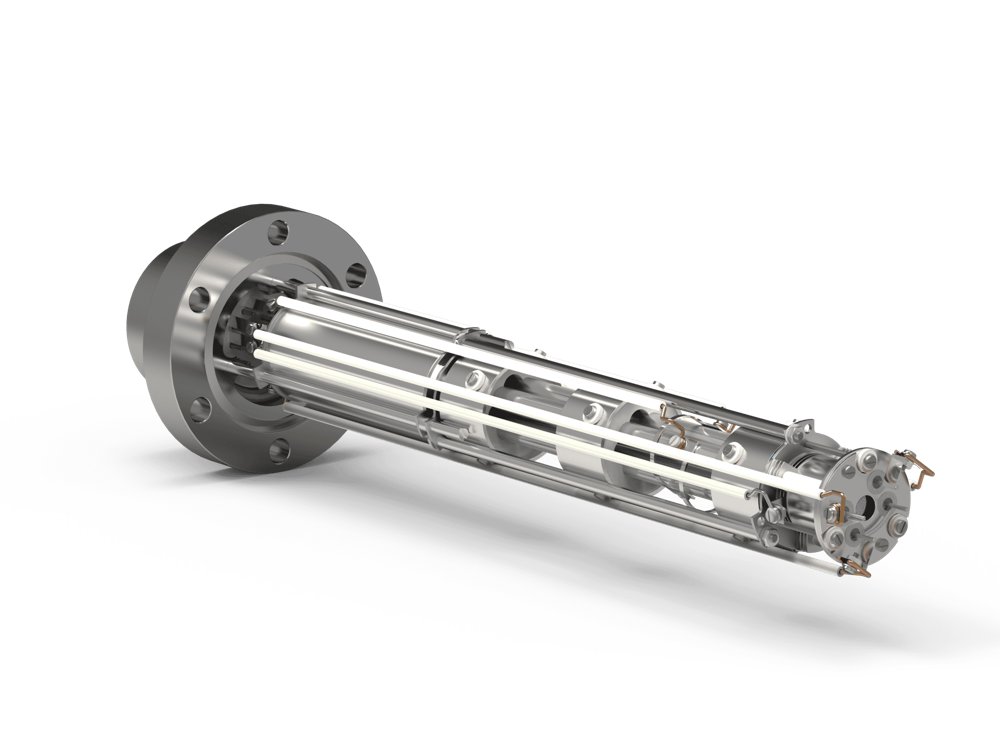 DLS-1 Mass Spectrometer for Fusion Gas AnalysisHiden Analytical Featured
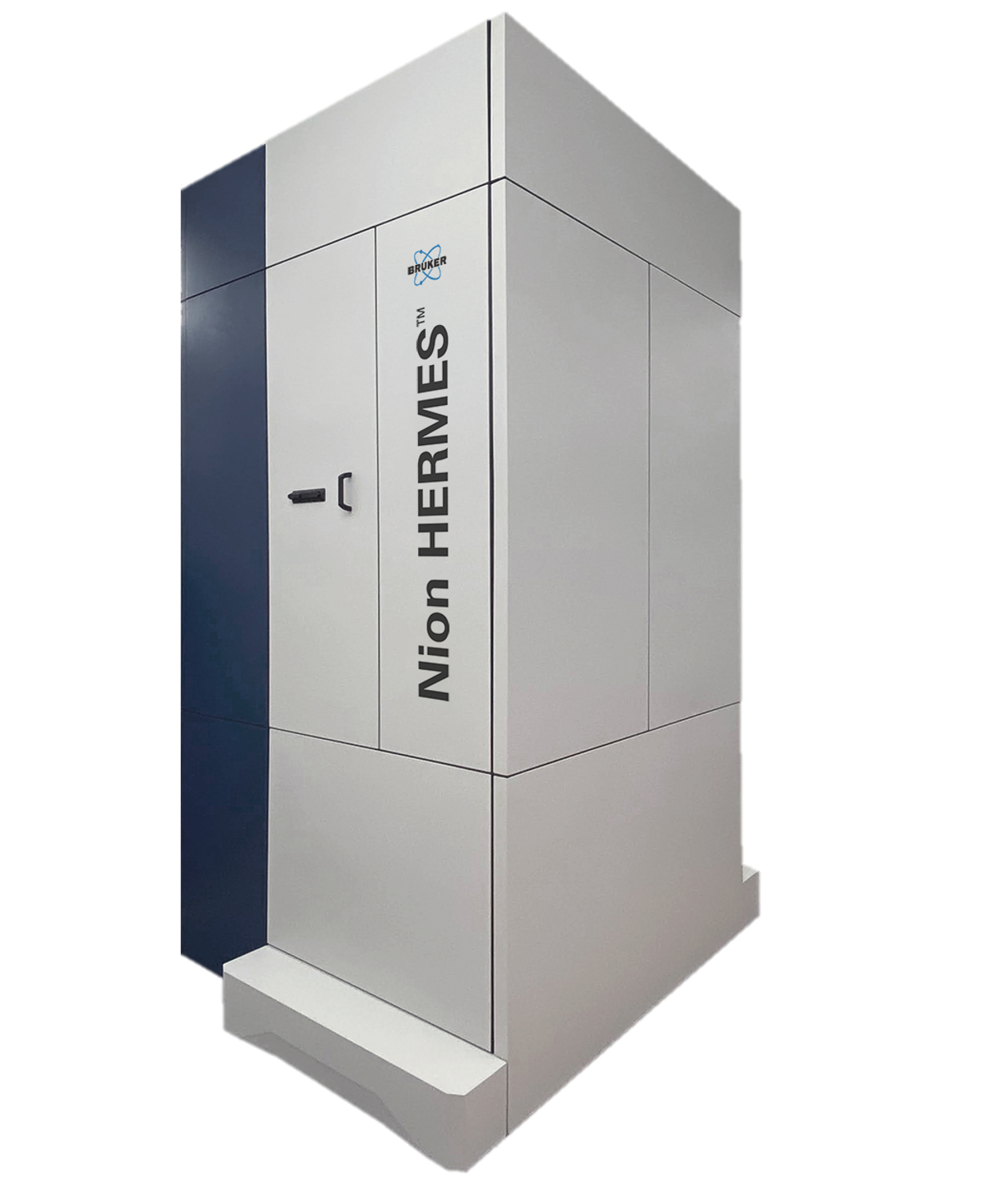 Nion-compatible In Situ STEM Holders for Electrical BiasingHummingbird Scientific Featured
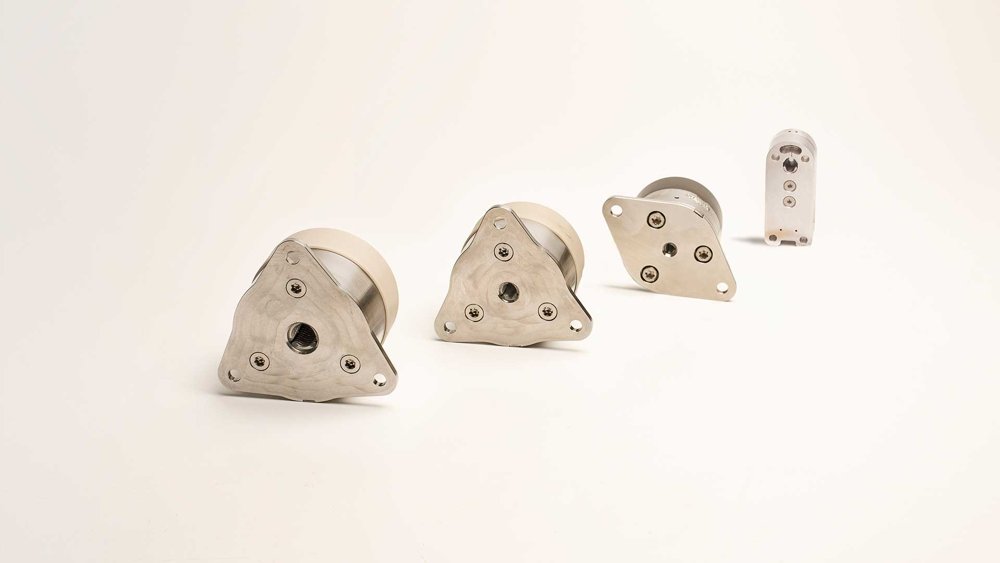 Hold Down & Release Mechanisms (HDRM) REACT – 5KN, 15KN and 35KN space qualified resettable mechanismsARQUIMEA
Market insights
Last 30 days: Quantum Technologies was the busiest vertical: 61 of 192 events (32%).
Money raised per month