27 October 2026. The Czech company nanoSPACE Technology, a member of the Czech Nanotechnology Industries Association (ANP ČR), has been granted a European patent for a method of producing nanofibres. Notice of the grant of European patent EP4547898 was published on 30 September 2026.
The main advantage of the hybrid spinning technology is that nanofibre membranes made from several different materials can be produced in a single manufacturing step. It can also handle materials that require different solvents and therefore cannot be processed together from a single solution. Developers can combine the properties of individual materials and tailor the resulting membrane to a specific application.
The company lists healthcare, pharmaceuticals, cosmetics, filtration and energy among the application areas. In pharmaceuticals and food supplements, nanofibres can serve as carriers of active substances, for example in thin strips placed under the tongue. In biomedicine, the company is developing wound dressing materials with partners. Membranes are also used in filtration and in separating substances from air or liquids.
In energy, the company is involved in developing membranes for lithium-ion batteries as part of the European INERRANT project. For waterless cosmetics, active care ingredients can be stored in dry nanofibres and released only when moistened during use, allowing a product to take the form of a light dry patch or a face mask.
The company nanoSPACE s.r.o. uses the technology in the nanofibre patches of the nanoSPACE Cosmetics brand for targeted skin care. The company nanoBeauty uses it in its nanofibre face masks, made by Nanopharma.
Source: nanoSPACE Technology news
Birla Carbon will showcase its conductive carbon portfolio at The Battery Show North America 2026, held October 12–15, 2026, at Huntington Place in Detroit, Michigan, at Booth 3029.
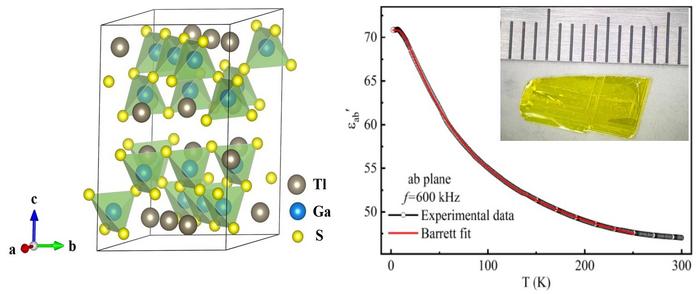
TlGaS2 single crystals show both in-plane and out-of-plane polarization, a rare combination in two-dimensional ferroelectrics that could widen options for ferroelectric transistors and non-volatile memory. Infrared spectroscopy revealed a soft phonon mode below 75 K, a signature tied to quantum ferroelectricity, along with weak structural changes across temperatures that lack clear heat-capacity signals, hinting at local rearrangements rather than conventional phase transitions.
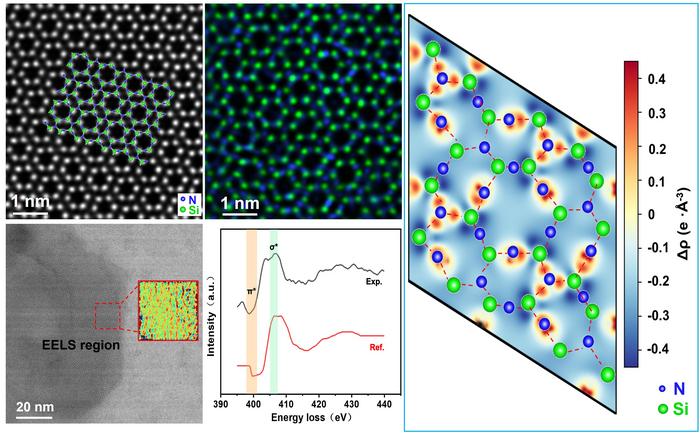
A β-Si3N4 nanolayer about 20 nm thick and continuous over several micrometers has been formed between carbon and silicon carbide without conventional oxide sintering additives, using a porous carbon framework infiltrated with molten silicon. Complementary atomic-resolution imaging resolved both silicon and nitrogen sublattices, confirming the ABAB stacking and corner-sharing tetrahedral network, while electron energy-loss spectroscopy and first-principles calculations linked the spectra to…
This week in nanotech
$751.8M raised
6 funding rounds · 37 deals tracked
New products
 Nion-compatible In Situ STEM Holders for Electrical BiasingHummingbird Scientific Featured
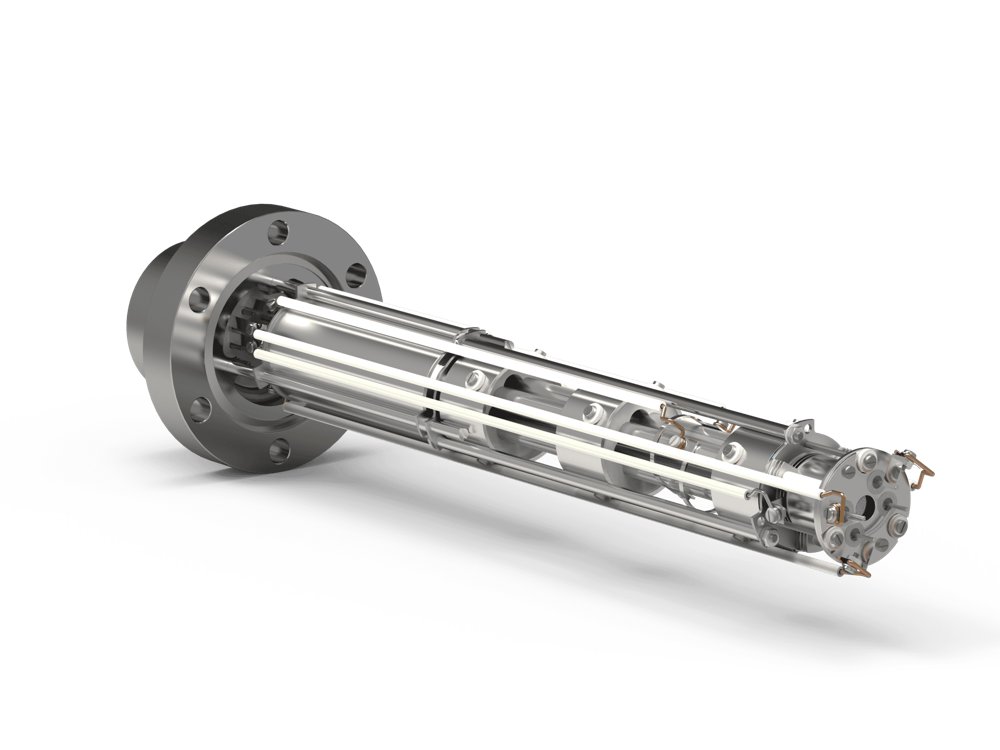 DLS-1 Mass Spectrometer for Fusion Gas AnalysisHiden Analytical Featured
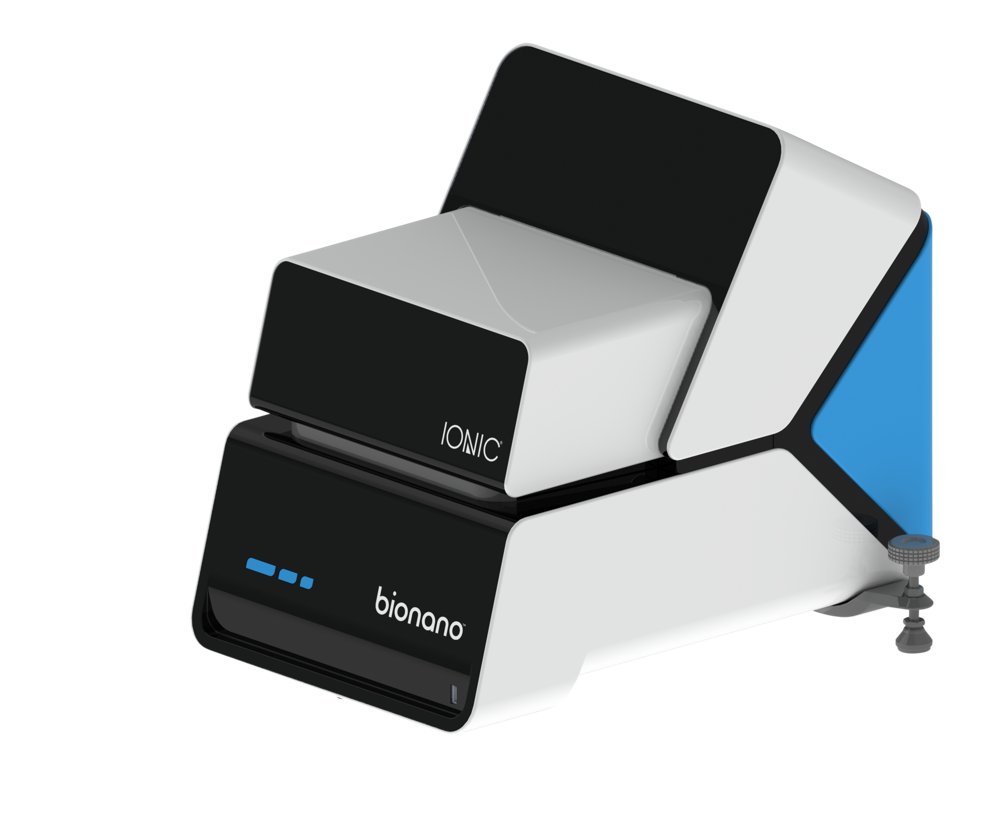 Ionic® Purification SystemBionano Genomics, Inc.
Market insights
Last 30 days: Quantum Technologies drew the most money: $3.18B.
Money raised per month
Behind the deal
Who led Xanadu Quantum Technologies Limited’s $10M Grant?
See the investors with Insights Pro →