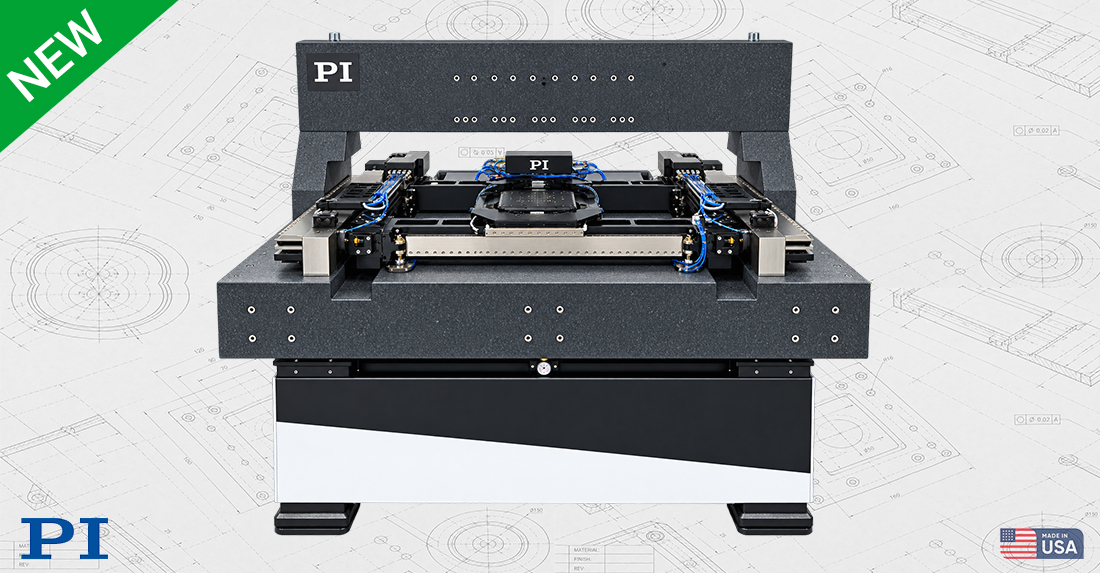
21 October 2026. PI (Physik Instrumente) has introduced the A-323 planar air bearing scanner, designed and manufactured in the USA for semiconductor inspection, metrology and photonics applications. The system builds on the A-322 platform with a new architecture intended to improve precision and repeatability, enable higher acceleration and reduce step-and-settle times.
The basic configuration provides 500 x 500 mm XY travel, a maximum velocity of 2 m/s and approximately 2 g acceleration. Specified accuracy is 0.1 µm, with pitch and yaw performance of 10 µrad and 2 µrad respectively.
A split-beam cross-axis design places the payload lower and closer to the motor force plane, reducing pitching and rocking during acceleration. The company states that this also reduces the Abbe offset between the payload and encoder measurement plane. A gantry configuration improves yaw control across the working area. Compared with the A-322 Ultra model, which has two motors and two encoders on the cross-axis, the A-323 places drive and feedback points substantially farther apart.
The A-323 redirects motor reaction forces into the machine frame, reducing excitation of the precision positioning structure. According to PI, this reduces disturbances during high acceleration moves and supports faster settling after a step. Newly developed air-bearing pucks are said to improve stiffness and stability, and a revised nozzle and bearing implementation provides a stiffer air film.
A central pocket accommodates application-specific motion modules, including PI's A-523 Z-tip/tilt stage, a compact 5 mm Z stage, a rotary axis, or combined rotary/Z/tilt modules. Integrated cable tracks, pneumatic routing and cooling provisions are included to simplify integration into larger automation and metrology systems.
The current design has demonstrated acceleration up to 2 g. PI states that at this level the principal constraints are motor peak force, sustained RMS force and thermal loading rather than the stage structure. Liquid-cooled motors help manage heat, and the architecture can accommodate larger motors where greater sustained dynamic performance is required. PI notes that final performance depends on the integrated payload, selected motion modules, motor configuration and operating conditions.
Source: PI (Physik Instrumente) news
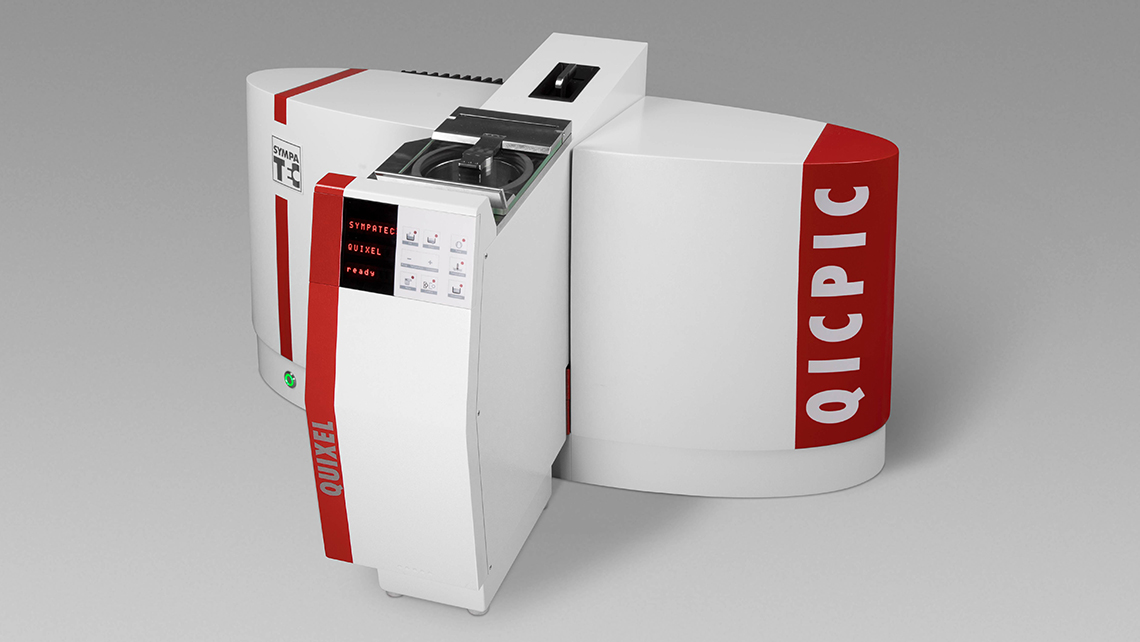
Sympatec GmbH has launched the QICPIC/S series for particle size and shape analysis, with a camera offering up to 20 megapixels and a frame rate of up to 950 frames per second. The company also introduced the QUIXEL/S wet dispersion system.
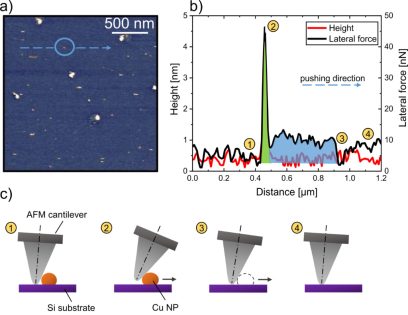
Researchers used NANOSENSORS Uniqprobe qp-CONT AFM probes to manipulate individual copper nanoparticles on silicon and estimate nanoparticle-substrate adhesion from force and displacement data.
Penn State's Materials Research Institute is launching a solution with the Institute for Computational and Data Sciences for automated, high-speed transfer of data from all MCL electron microscopes directly to ICDS.
This week in nanotech
$91M raised
8 funding rounds · 55 deals tracked
New products
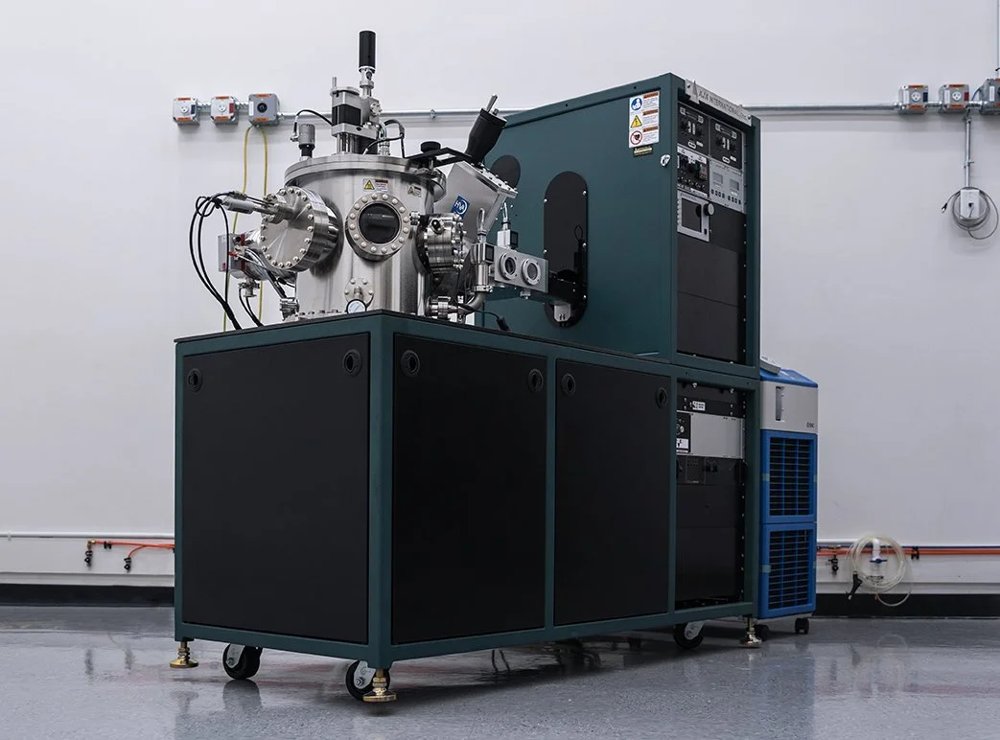 Orion Sputtering Deposition SystemsAJA International Featured
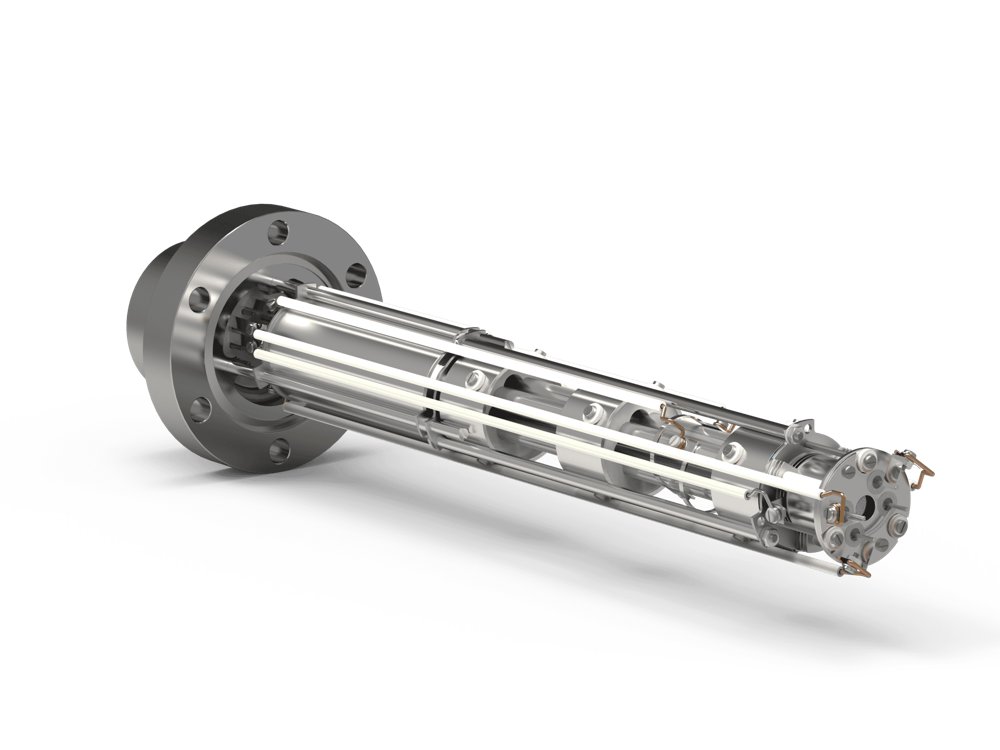 DLS-1 Mass Spectrometer for Fusion Gas AnalysisHiden Analytical Featured
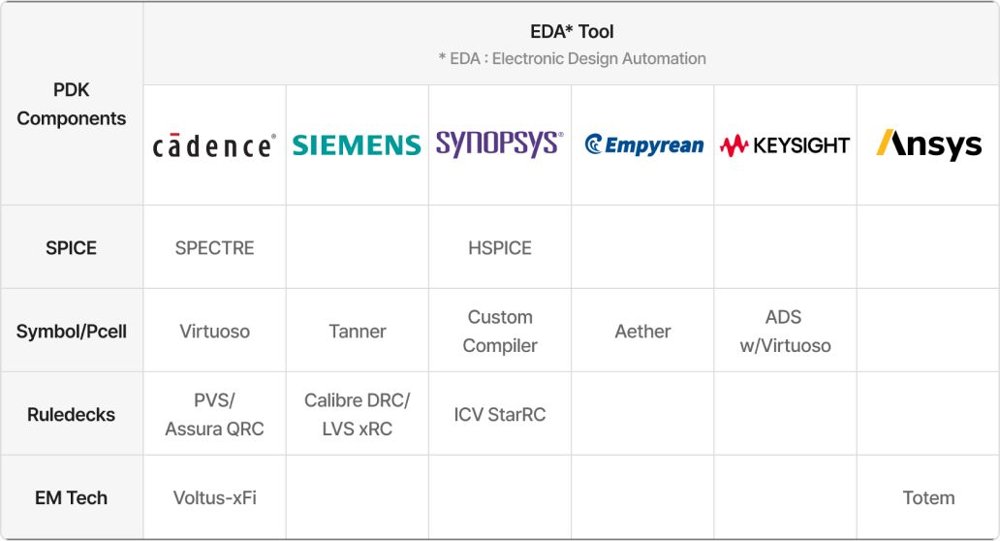 PDK (Process Design Kit)DB HiTek
Market insights
Last 30 days: Quantum Technologies drew the most money: $3.17B.
Money raised per month