21 October 2026. RAITH has published a new application note titled "From anomaly detection to root cause: SIMS and design-based navigation in semiconductor failure analysis." The document describes how high-resolution SIMS imaging combined with design-based navigation supports a workflow from anomaly detection to targeted root-cause investigation.
The application note is based on the RAITH IONMASTER SIMS system. According to the release, engineers can use the system to identify chemical irregularities, localize them within the device architecture, and perform targeted 3D analysis of critical structures.
The release states that one key advantage is the ability to capture a complete mass spectrum at every image pixel. This allows unexpected contaminants and material anomalies to be identified retrospectively, without requiring predefined target species before analysis.
The note walks through a complete semiconductor failure-analysis workflow. RAITH says the combination of hyperspectral SIMS imaging, full-spectrum acquisition and design-based navigation is intended to accelerate root-cause investigations.
RAITH notes that as device geometries shrink, trace contaminants, buried defects and process-induced anomalies often remain undetected by conventional imaging techniques. The release says localizing trace contamination and visualizing its three-dimensional distribution helps engineers understand degradation mechanisms and potential future failure modes.
Source: Raith news
TESCAN ORSAY HOLDING, a.s. demonstrated its semiconductor failure analysis workflow at ISTFA 2026, built around Inspect, Access, Prepare and Analyze stages. Conference discussions covered AI-assisted workflows, laser sample preparation and strain analysis.
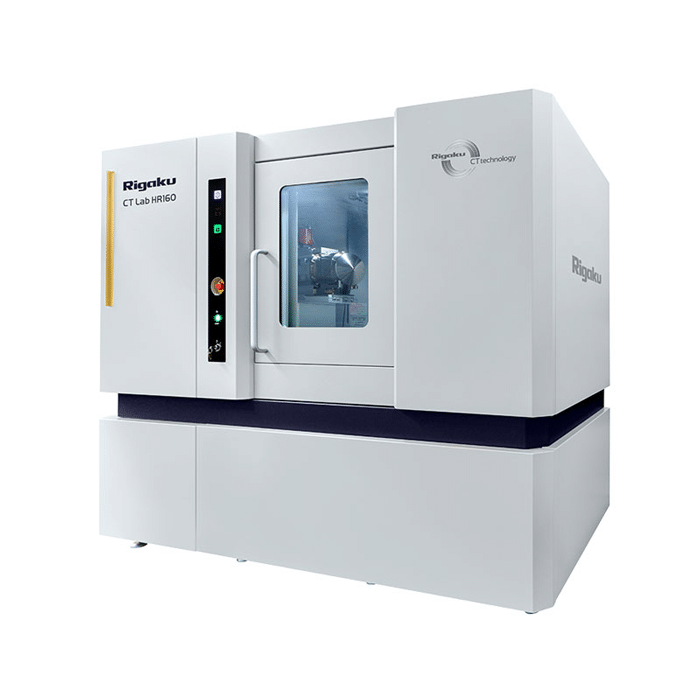
Rigaku has launched the CT Lab HR160, an X-ray CT system combining its imaging expertise with Excillum's NanoTube N3 X-ray source. It operates at up to 160 kV and achieves true 250 nm spatial resolution.
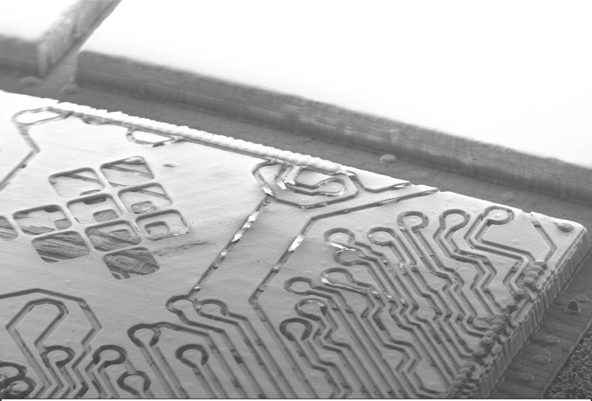
TESCAN ORSAY HOLDING, a.s. has described an A15 semiconductor failure analysis workflow that connects X-ray CT, ultrafast laser processing, optical and confocal microscopy, and SEM for progressive access to buried structures.
This week in nanotech
$281.1M raised
7 funding rounds · 35 deals tracked
New products
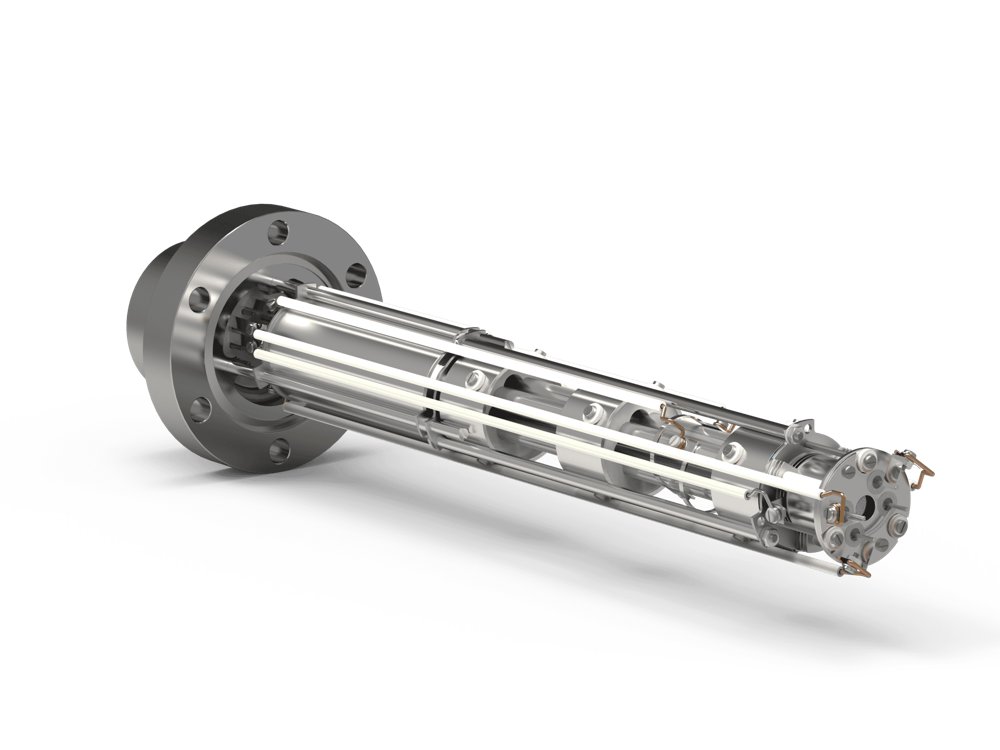 DLS-1 Mass Spectrometer for Fusion Gas AnalysisHiden Analytical Featured
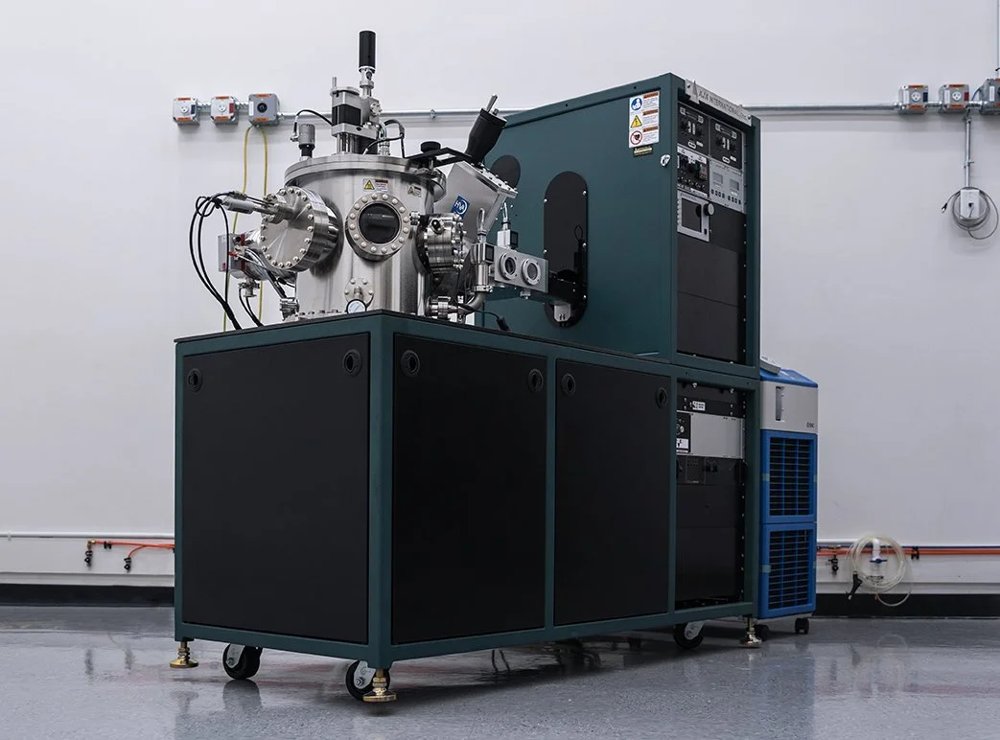 Orion Sputtering Deposition SystemsAJA International Featured
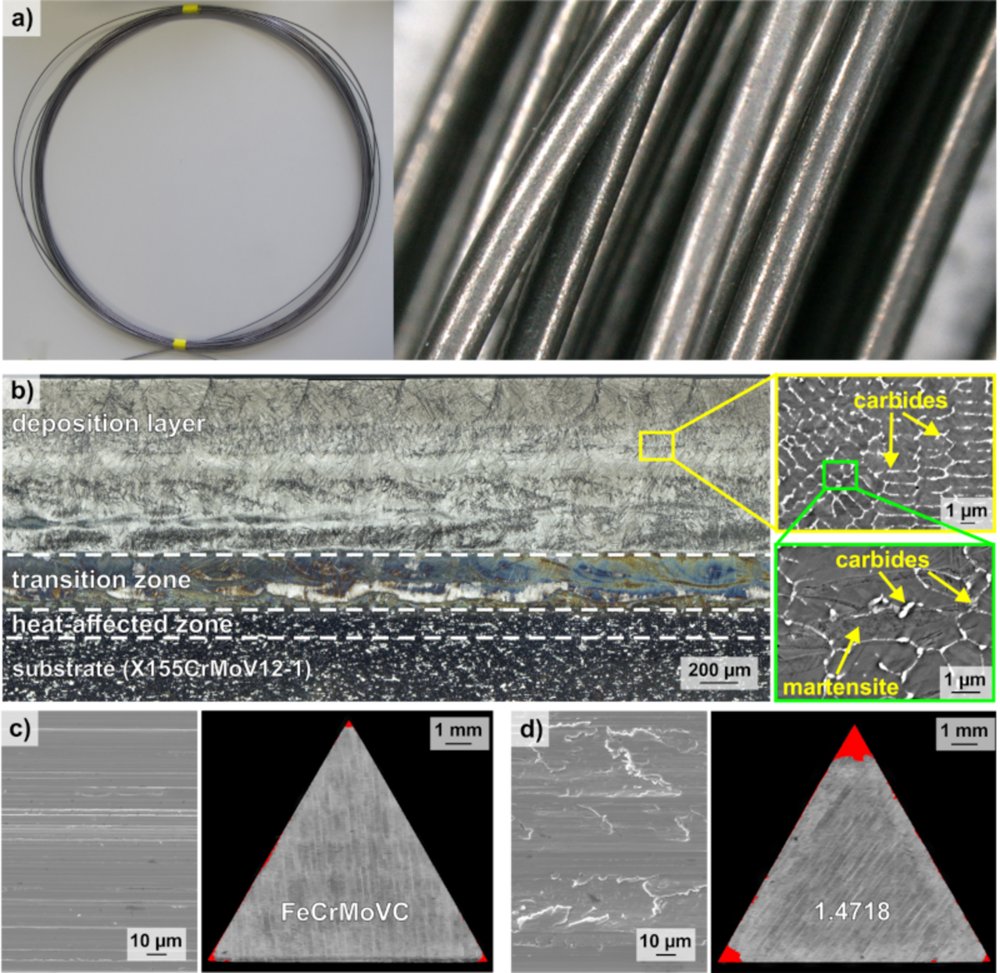 Fe85Cr4Mo8V2C1 wire filler materialLeibniz Institute for Solid State and Materials Research Dresden - IFW Dresden
Market insights
Last 30 days: Quantum Technologies drew the most money: $3.17B.
Money raised per month
Behind the deal
Who led Xanadu Quantum Technologies Limited’s $10M Grant?
See the investors with Insights Pro →