Radboud University
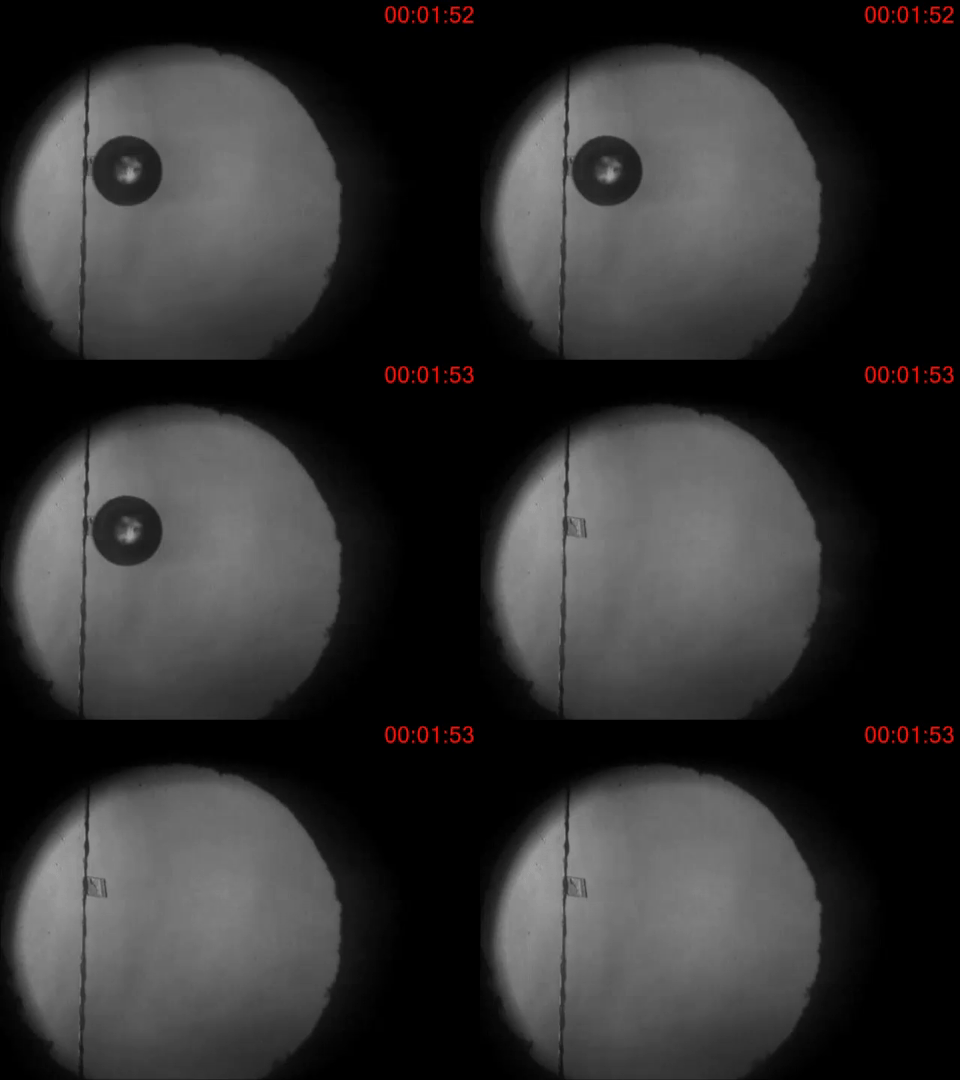
An organic material that can repeatedly change shape without breaking would have many useful applications, such as artificial muscles, pumps or as a switch. Physicists at Radboud University accidentally discovered a material with that property. Their findings will be published in the scientific journal Nature Communications on October 8th.
'I tend to call it the "molecular pinball machine",' says Theo Rasing, professor of Spectroscopy of Solids and Interfaces at Radboud University. Together with colleagues from Nijmegen and China, he demonstrates the shape-changing abilities of the material by having it fling a glass bead at high speed. In that process, the organic crystal material called 4-DBpFO delivers a force corresponding to ten thousand times its own weight.
The crystals have the unique property of significantly changing shape at small temperature variations around 180 degrees Celsius and doing so without breaking, which allows for that change to be repeated hundreds of times.
The scientific world has a large need for minute moving machines made of organic material, which can be used as fluid pumps on "labs on a chip" (LOCs), for example. Well-known uses of LOCs include the device that allows diabetics to measure their blood sugar and nano pills that measure bodily functions. 'The problem with current organic crystals is that such changes in shape due to temperature, for example, quickly break the material,' Rasing explains.
The material that the researchers found does not break upon repeated change of shape, because the molecules slide across each other. 'Our discovery of these properties in this material was actually a stroke of luck,' says Yulong Duan, PhD candidate and the first author of the publication. 'We were mainly studying these materials for their interesting optical properties, but when we changed the temperature under the microscope, the crystal suddenly shot away.'
To be able to take further steps toward possible applications, the researchers want to study how the effect could be shifted to lower temperatures through changes in the molecular structure. They also want to investigate how they could make the material change shape by using short light pulses, so the material can be heated and cooled in a controlled manner.
Robust thermoelastic microactuator based on an organic molecular crystal
Yulong Duan, Sergey Semin, Paul Tinnemans, Herma Cuppen, Jialiang Xu & Theo Rasing
Nature Communications volume 10, Article number: 4573 (2019)
DOI: 10.1038/s41467-019-12601-y
Contact information:
Theo Rasing
Professor of experimental solid state physics and Director of Institute for Molecules and Materials at Radboud University
th.rasing@science.ru.nl
Phone: +31-24-3653102
Spectroscopy of Solids and Interfaces (SSI) @ Radboud University

Researchers at the University of Basel have identified and coherently controlled so called forbidden vibrational transitions in individual trapped nitrogen molecular ions without destroying them. Using quantum logic spectroscopy, a single calcium ion served as messenger, letting the team probe the molecule repeatedly and determine its fundamental vibrational frequency ten times more precisely than before.
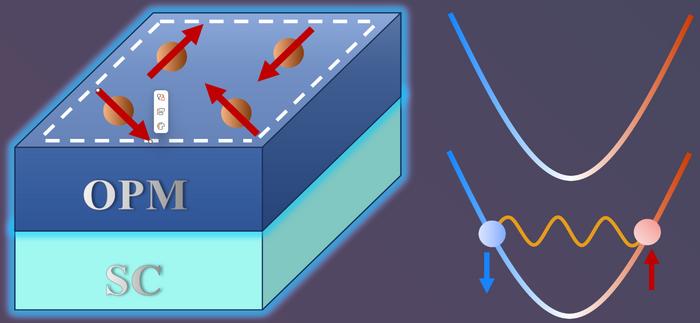
Odd-parity magnets host an intrinsic hidden Zeeman field that lifts Kramers degeneracy without any applied field, researchers report. Using an f-wave magnet model on a triangular lattice, the team shows how non-relativistic spin splitting and this hidden field combine to stabilize s-wave superconductivity far beyond the Pauli limit.
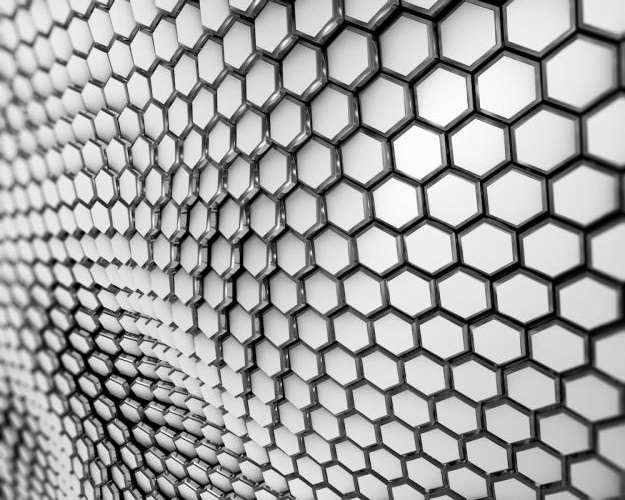
Rhombohedral hexalayer graphene, in which six carbon sheets are stacked with a slight lateral offset like staircase steps, hosts both superconductivity and electrically controllable orbital magnetism, researchers report in Nature Physics. The arrangement yields a rich collection of quantum states in a simple carbon-based material, positioning rhombohedral multilayer graphene as a platform for probing the fundamental mechanisms of superconductivity and magnetism and potentially for new ways of…
This week in nanotech
9 deals tracked
New products
 Nion-compatible In Situ STEM Holders for Electrical BiasingHummingbird Scientific Featured
 Ti-WCMBN Nanomaterialia Featured
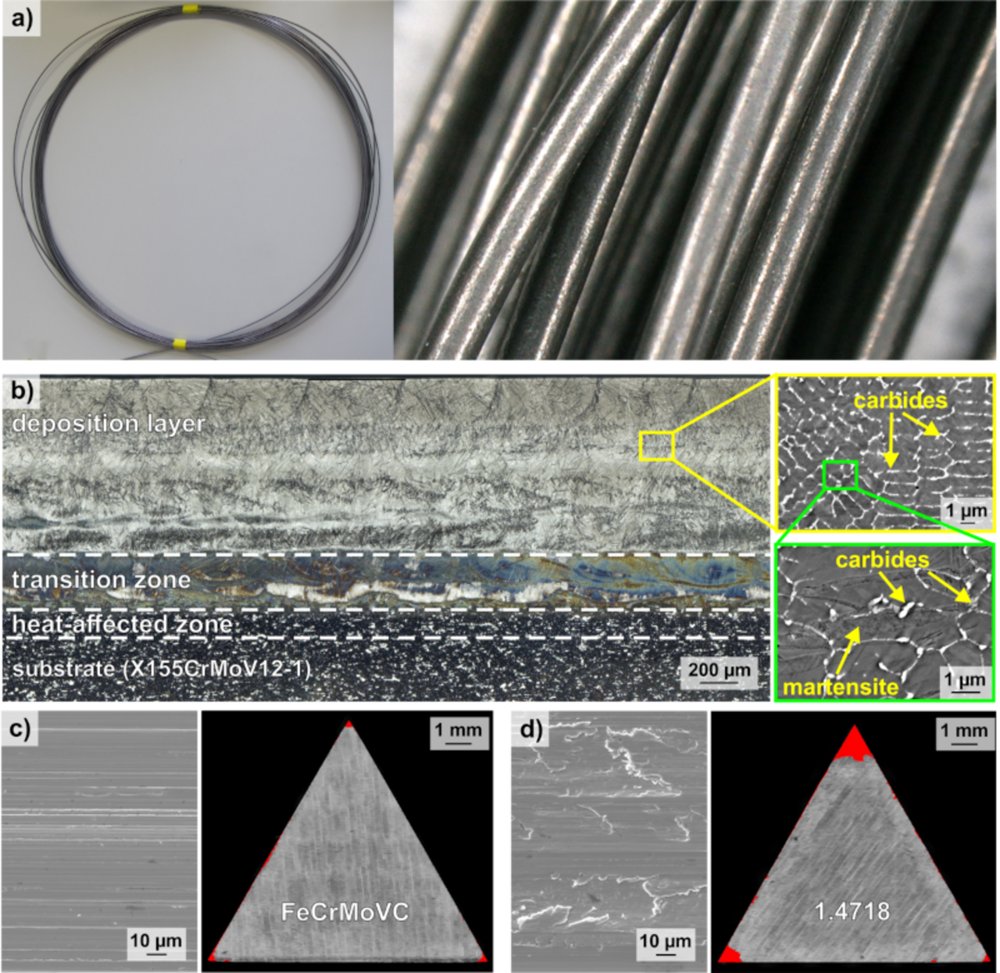 Fe85Cr4Mo8V2C1 wire filler materialLeibniz Institute for Solid State and Materials Research Dresden - IFW Dresden
Market insights
Last 30 days: Semiconductors & Electronics was the busiest vertical: 39 of 130 events (30%).
Money raised per month