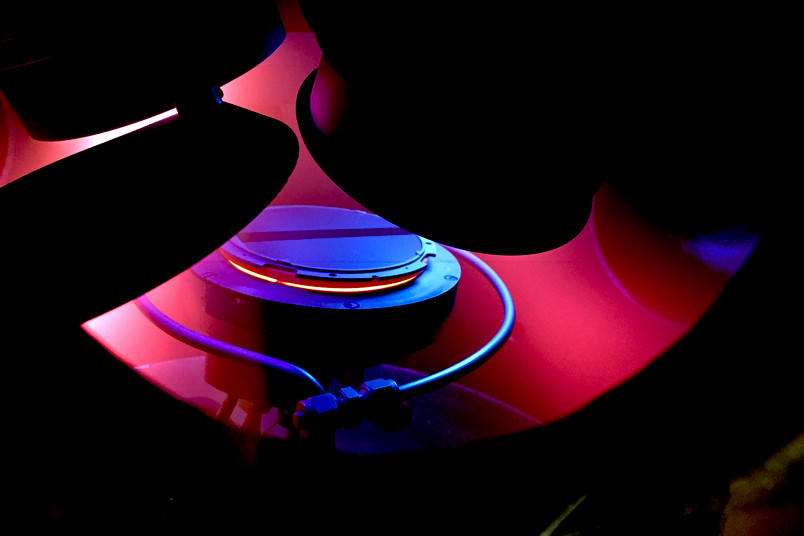
Nanostructured layers boast countless potential properties – but how can the most suitable one be identified without any long-term experiments? A team from the Materials Discovery Department at Ruhr-Universität Bochum (RUB) has ventured a shortcut: using a machine learning algorithm, the researchers were able to reliably predict the properties of such a layer. Their report was published in the new journal “Communications Materials” from 26 March 2020.
Porous or dense, columns or fibres
During the manufacture of thin films, numerous control variables determine the condition of the surface and, consequently, its properties. Relevant factors include the composition of the layer as well as process conditions during its formation, such as temperature. All these elements put together result in the creation of either a porous or a dense layer during the coating process, with atoms combining to form columns or fibres. “In order to find the optimal parameters for an application, it used to be necessary to conduct countless experiments under different conditions and with different compositions; this is an incredibly complex process,“ explains Professor Alfred Ludwig, Head of the Materials Discovery and Interfaces Team.
Findings yielded by such experiments are so-called structure zone diagrams, from which the surface of a certain composition resulting from certain process parameters can be read. “Experienced researchers can subsequently use such a diagram to identify the most suitable location for an application and derive the parameters necessary for producing the suitable layer,” points out Ludwig. “The entire process requires an enormous effort and is highly time consuming.”
Algorithm predicts surface
Striving to find a shortcut towards the optimal material, the team took advantage of artificial intelligence, more precisely machine learning. To this end, PhD researcher Lars Banko, together with colleagues from the Interdisciplinary Centre for Advanced Materials Simulation at RUB, Icams for short, modified a so-called generative model. He then trained this algorithm to generate images of the surface of a thoroughly researched model layer of aluminium, chromium and nitrogen using specific process parameters, in order to predict what the layer would look like under the respective conditions.
“We fed the algorithm with a sufficient amount of experimental data in order to train it, but not with all known data,” stresses Lars Banko. Thus, the researchers were able to compare the results of the calculations with those of the experiments and analyse how reliable its prediction was. The results were conclusive: “We combined five parameters and were able to look in five directions simultaneously using the algorithm – without having to conduct any experiments at all,” outlines Alfred Ludwig. “We have thus shown that machine learning methods can be transferred to materials research and can help to develop new materials for specific purposes.”
Predicting structure zone diagrams for thin film synthesis by generative machine learning
Lars Banko, Yury Lysogorskiy, Dario Grochla, Dennis Naujoks, Ralf Drautz, Alfred Ludwig
Communications Materials (2020)
DOI: 10.1038/s43246-020-0017-2
Contact information:
Alfred Ludwig
RUB Professor at Institute for Materials, Department of Mechanical Engineering
alfred.ludwig@rub.de
Phone: 0234-32-27492
Materials Discovery and Interfaces
Ruhr-Universität Bochum (RUB)
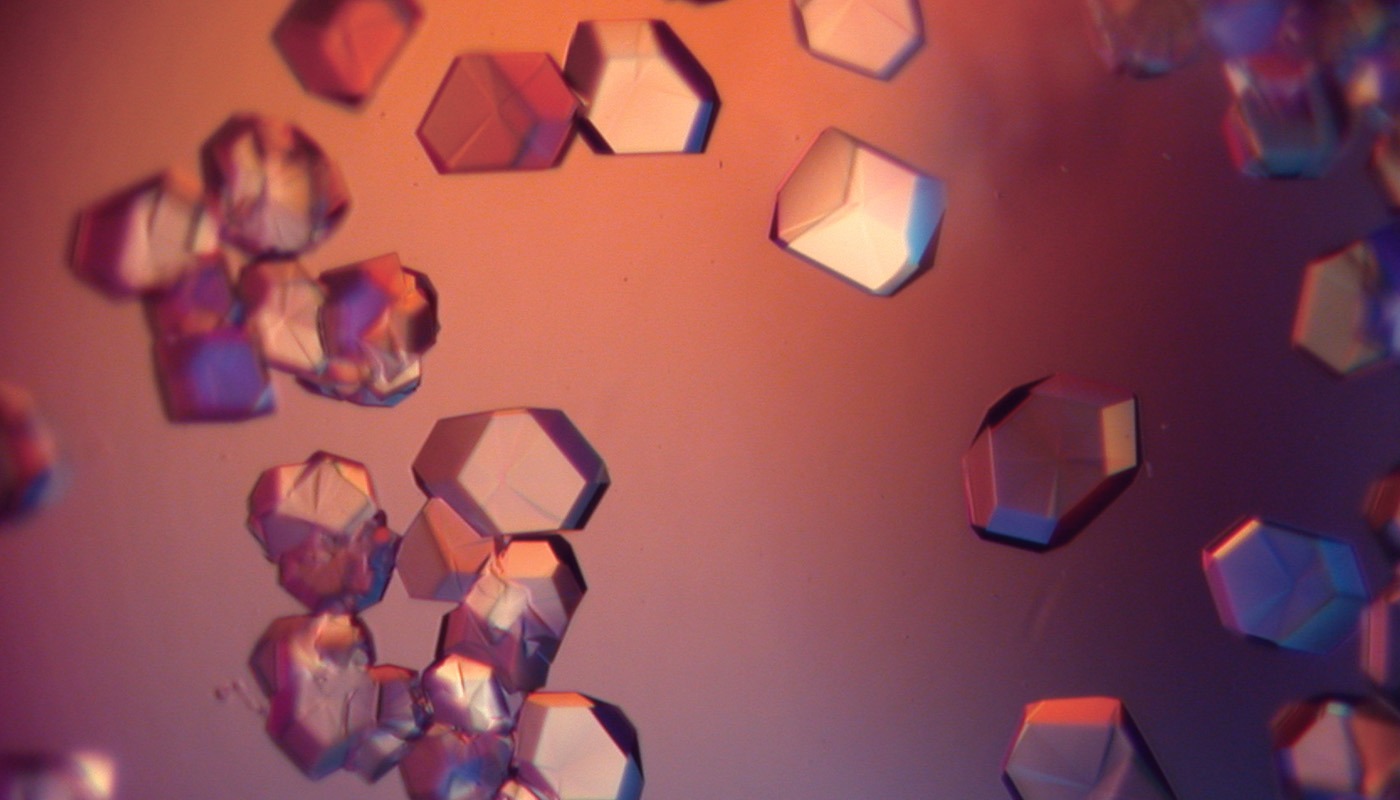
Cornell and Pacific Northwest National Laboratory researchers have developed a predictive model for how crystals such as calcite incorporate silica nanoparticles, revealing that the energy needed to cross water layers at the crystal surface strongly governs uptake, and that amines rather than carboxylic acids bind best.

A polymer hydrogel that grows stronger under repeated bending and strain has been developed by chemists, who report the material survived 10,000 bending cycles in tests on a knee-like joint. Made from a biodegradable blend of sugar crystals and polyethylene glycol, the 3D printable material uses sliding cyclodextrin rings to reinforce stressed regions, mimicking collagen.
Rigaku has introduced the PhotonJetMAX-S microfocus sealed-tube X-ray source for the XtaLAB Synergy-S, delivering more than twice the diffracted intensity of the PhotonJet-S at a peak power of 50 W.
This week in nanotech
$18.9M raised
4 funding rounds · 31 deals tracked
New products
 Nion-compatible In Situ STEM Holders for Electrical BiasingHummingbird Scientific Featured
 Orion Sputtering Deposition SystemsAJA International Featured
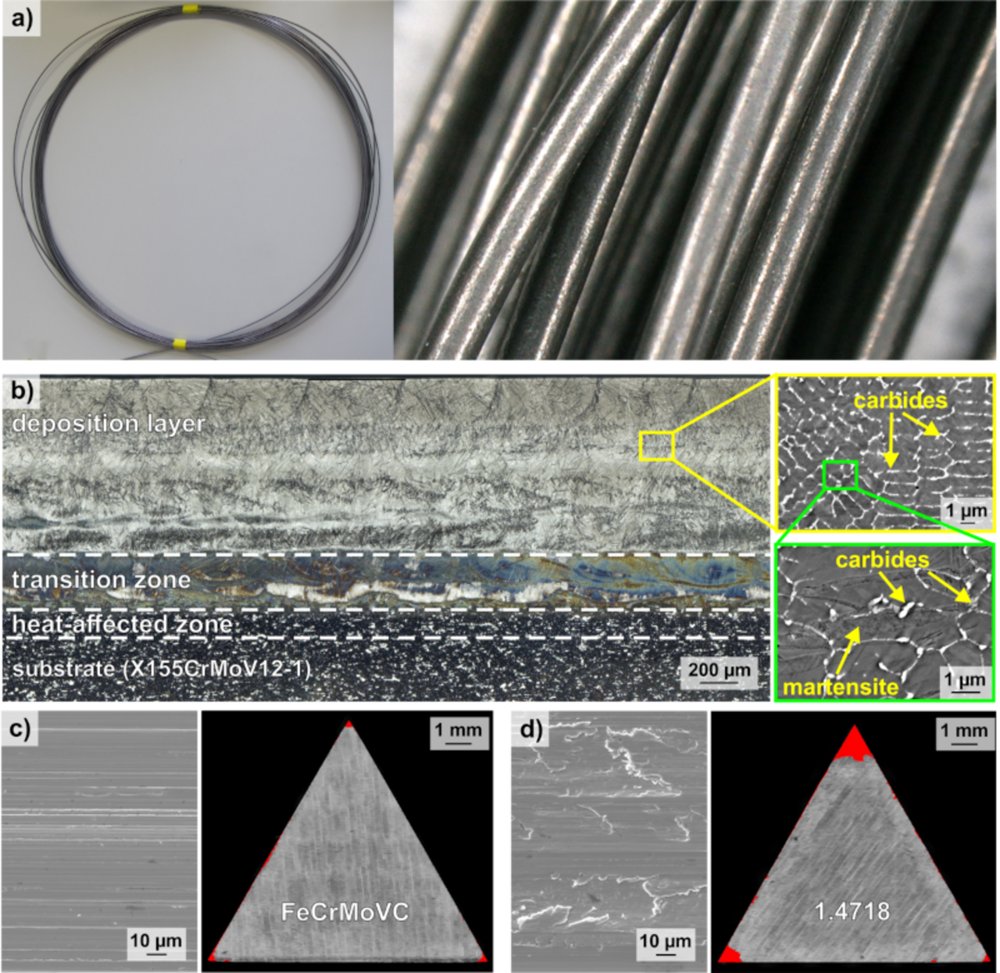 Fe85Cr4Mo8V2C1 wire filler materialLeibniz Institute for Solid State and Materials Research Dresden - IFW Dresden
Market insights
Last 30 days: Semiconductors & Electronics was the busiest vertical: 52 of 170 events (31%).
Money raised per month