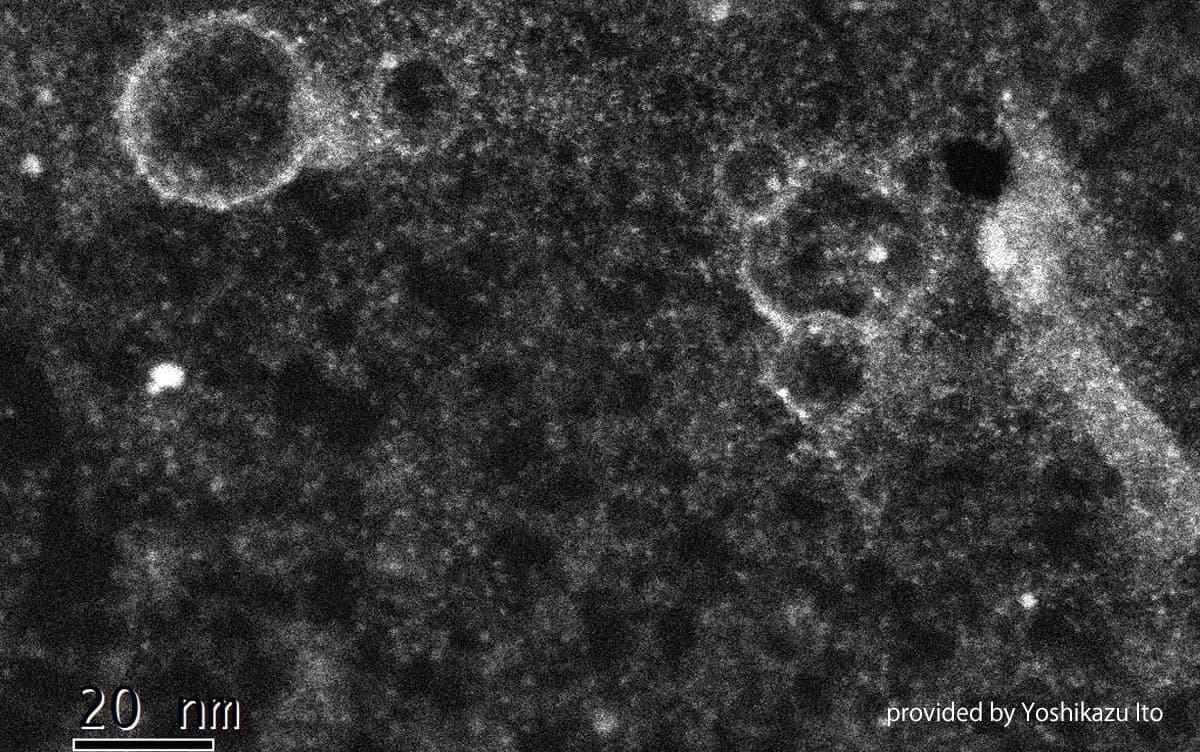
For realizing carbon neutrality, the demand for the development of direct methanol/formic acid-fuel cell technology has been increasing. In this technology, methanol or formic acid is used as an e-fuel for generating electricity. The fuel cells generate electricity via proton transfer; however, conventional proton-exchange membranes suffer from the "crossover phenomenon," where the fuel molecules are also transferred between anodes and cathodes. Thereafter, the fuel molecules are unnecessarily oxidized and the electrodes are deactivated. In this study, the researchers developed a new proton-exchange membrane comprising graphene sheets with 5-10 nm-diameter holes, which are chemically modified with sulfanilic functional groups affording sulfo groups around the holes. Owing to steric hindrance by the functional groups, the graphene membrane successfully suppresses the crossover phenomenon by blocking the penetration of the fuel molecules while maintaining high proton conductivity for the first time to the best of our knowledge.
To date, conventional approaches for inhibiting fuel-molecule migration involved an increase of the membrane thickness or sandwiching two-dimensional materials, which in turn reduced the proton conductivity. In this study, the researchers investigated structures that inhibit the migration of fuel molecules through electro-osmotic drag and steric hindrance. Consequently, they found that the sulfanilic-functionalized graphene membrane can remarkably suppress electrode degradation compared with the commercially-available Nafion membranes while maintaining the proton conductivity required for fuel cells.
Furthermore, simply pasting the graphene membrane onto a conventional proton-exchange membrane can suppress the crossover phenomenon. Thus, this study contributes to the development of advanced fuel cells as a new alternative for hydrogen-type fuel cells.
Reference
Suppression of Methanol and Formate Crossover through Sulfanilic-Functionalized Holey Graphene as Proton Exchange Membranes
Samuel Jeong, Tatsuhiko Ohto, Tomohiko Nishiuchi, Yuki Nagata, Jun-ichi Fujita, Yoshikazu Ito
https://onlinelibrary.wiley.com/doi/10.1002/advs.202304082
Researchers at the University of Córdoba have used vitamin B12, or cobalamin, as a catalyst in a zinc-air battery for the first time, anchoring the biomolecule to single-walled carbon nanotubes to keep it stable in an aqueous electrolyte. The cobalt at its core drives oxygen reduction on discharge and oxygen production on recharge, enabling up to 250 cycles.
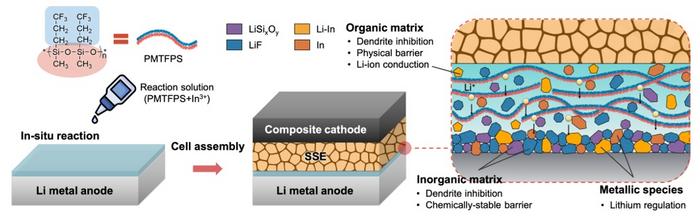
A one-step liquid coating that converts into a 12-micrometer hybrid film on lithium metal could bring solid-state batteries closer to practical use. The polysiloxane and indium chloride layer forms lithium fluoride and lithium-indium alloy nanoparticles in situ, suppressing dendrite growth. Protected anodes reached 3.5 mA cm-2 critical current density and retained 82.3% capacity after 300 cycles in full cells with a sulfide electrolyte and NCM cathode, versus 43.0% for bare lithium.
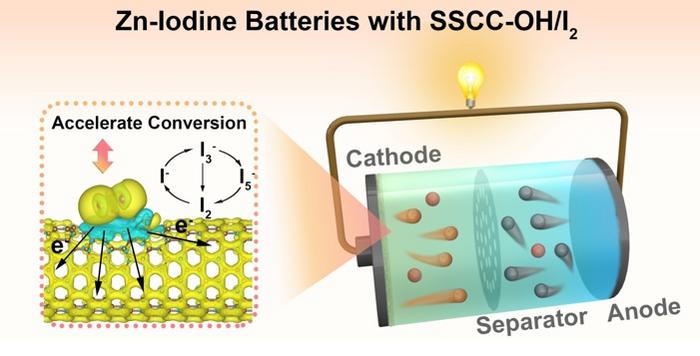
Researchers at Jilin University and the Changchun Institute of Applied Chemistry have shown that hydroxyl functional groups on self-supporting carbon nanotube cathodes stabilize aqueous zinc-iodine batteries. Density functional theory guided the choice of surface groups, and the hydroxyl-modified cathode confined iodine species within its porous nanotube channels. It retained 89.34% of capacity after more than 10,000 cycles and suppressed the iodine shuttle effect.
This week in nanotech
$13.6M raised
3 funding rounds · 20 deals tracked
New products
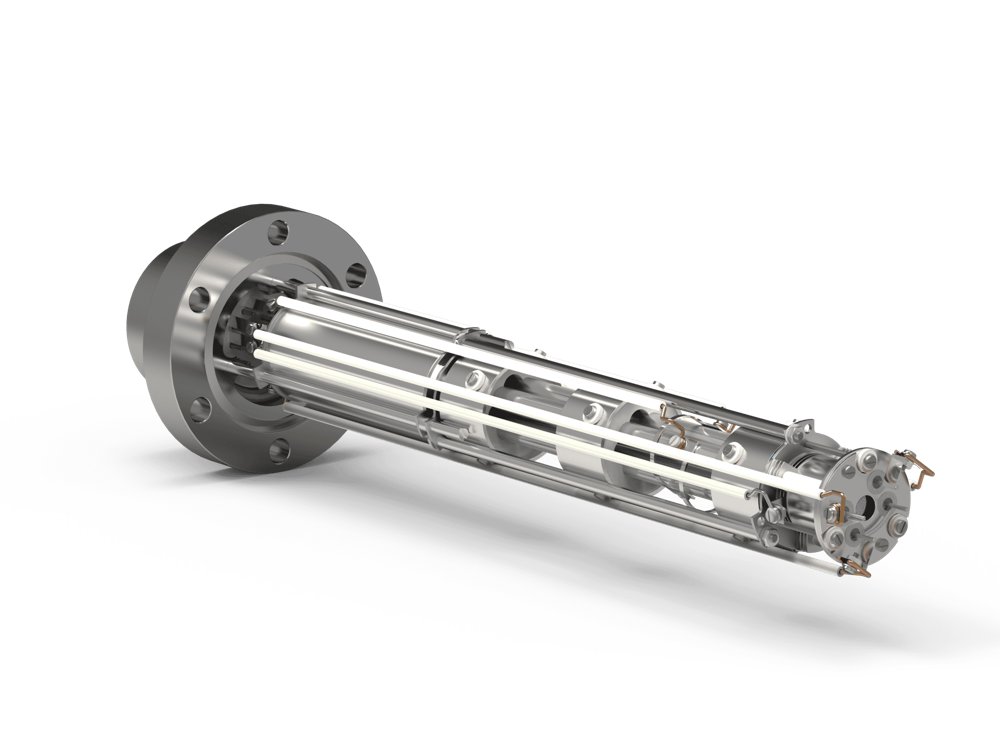 DLS-1 Mass Spectrometer for Fusion Gas AnalysisHiden Analytical Featured
 Ti-WCMBN Nanomaterialia Featured
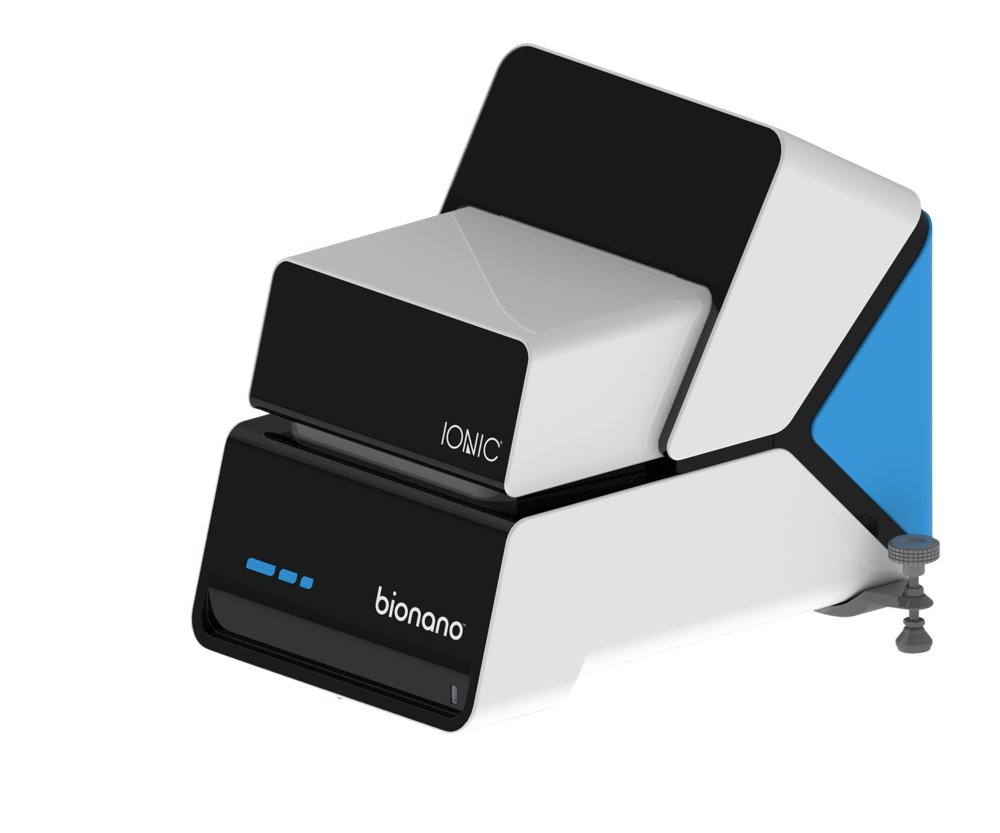 Ionic® Purification SystemBionano Genomics, Inc.
Market insights
Last 30 days: Quantum Technologies was the busiest vertical: 61 of 192 events (32%).
Money raised per month