Science China Press
The oxygen reduction reaction (ORR) is a key cathodic process in clean energy-conversion devices, including fuel cells and metal–air batteries. However, its sluggish reaction kinetics severely limit the energy-conversion efficiency and practical application of these devices.
Fe–N–C single-atom catalysts, featuring high atomic utilization efficiency and tunable local electronic structures, are regarded as one of the most promising alternatives to noble-metal Pt-based catalysts. Nevertheless, conventional FeN4 active sites still suffer from insufficient O2 adsorption and activation capabilities, as well as unfavorable adsorption strengths toward ORR intermediates. Because the electronic structure and spin state of the Fe center directly affect its interaction with oxygen species, regulating the spin state of Fe sites to optimize O2 adsorption and activation is expected to further improve the ORR performance of Fe–N–C catalysts.
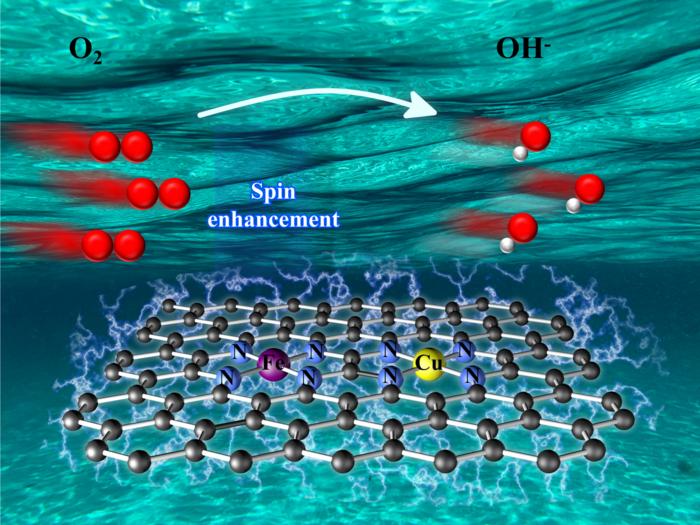
The authors developed an FeCu dual-single-atom catalyst (FeCu–NC) featuring spatially adjacent FeN4 and CuN4 sites. In this catalyst, neighboring Cu atoms regulate the spin state of the Fe single-atom active centers and optimize the adsorption behavior of key ORR intermediates, thereby significantly enhancing the ORR activity.
Structural characterization revealed that both Fe and Cu were atomically dispersed and formed spatially adjacent Fe–N4 and Cu–N4 coordination structures, respectively. This well-defined configuration provides a clear structural model for investigating the regulatory effects of neighboring atoms on Fe active centers. Experimental results and theoretical calculations further demonstrated that the adjacent Cu sites enhanced spin polarization at the Fe sites and induced electronic-structure rearrangement. Consequently, the interaction between the Fe sites and O2 was strengthened, facilitating O2 adsorption and initial activation and accelerating the ORR kinetics.
Benefiting from its unique dual-single-atom-site configuration, FeCu–NC exhibited excellent ORR catalytic performance, with a half-wave potential of 0.88 V versus the reversible hydrogen electrode (RHE). In zinc–air battery tests, FeCu–NC also delivered superior discharge performance compared with a commercial Pt/C catalyst.
This study elucidates the intrinsic relationship between the regulation of the spin state of active centers by adjacent single-atom sites and oxygen activation behavior. It provides new insights into the design of highly efficient single-atom ORR catalysts through spin engineering.
Reference
Spin-state modulation of Fe single atoms by proximal Cu sites for enhanced oxygen reduction reaction
Feng Lin, Chuanshun Feng, Huan Ye, Guoen Zhang, Qicheng Zhang, Wenchao Peng, Xiaobin Fan, Jijie Zhang, and Yang Li
Researchers at the University of Córdoba have used vitamin B12, or cobalamin, as a catalyst in a zinc-air battery for the first time, anchoring the biomolecule to single-walled carbon nanotubes to keep it stable in an aqueous electrolyte. The cobalt at its core drives oxygen reduction on discharge and oxygen production on recharge, enabling up to 250 cycles.
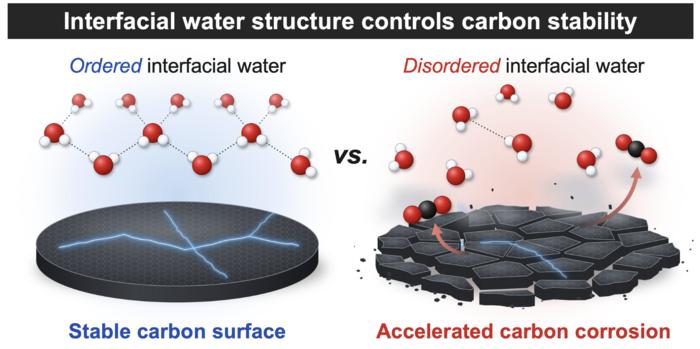
Carbon electrodes corrode under strongly oxidizing conditions, and researchers at the University of Osaka have traced part of that degradation to interfacial water. Monitoring corrosion and water structure during operation showed that weakly connected water networks were preferentially involved in oxidizing carbon to carbon dioxide, and disrupting the network increased corrosion. Reorganizing surface water with the ionomer Sustainion cut corrosion by about 51% versus Nafion.
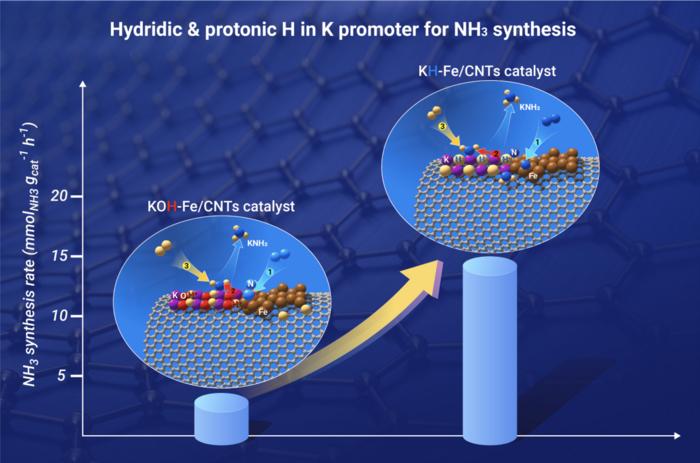
Potassium has promoted iron ammonia catalysts for a century, usually explained as electron donation, but a study in The Innovation traced isotope-labeled hydrogen and found the promoter's own hydrogen is consumed in the reaction. On iron supported on carbon nanotubes, potassium hydride raised the ammonia formation rate two orders of magnitude, roughly six times faster than potassium hydroxide, through distinct hydridic and protonic pathways.
This week in nanotech
$13.6M raised
3 funding rounds · 20 deals tracked
New products
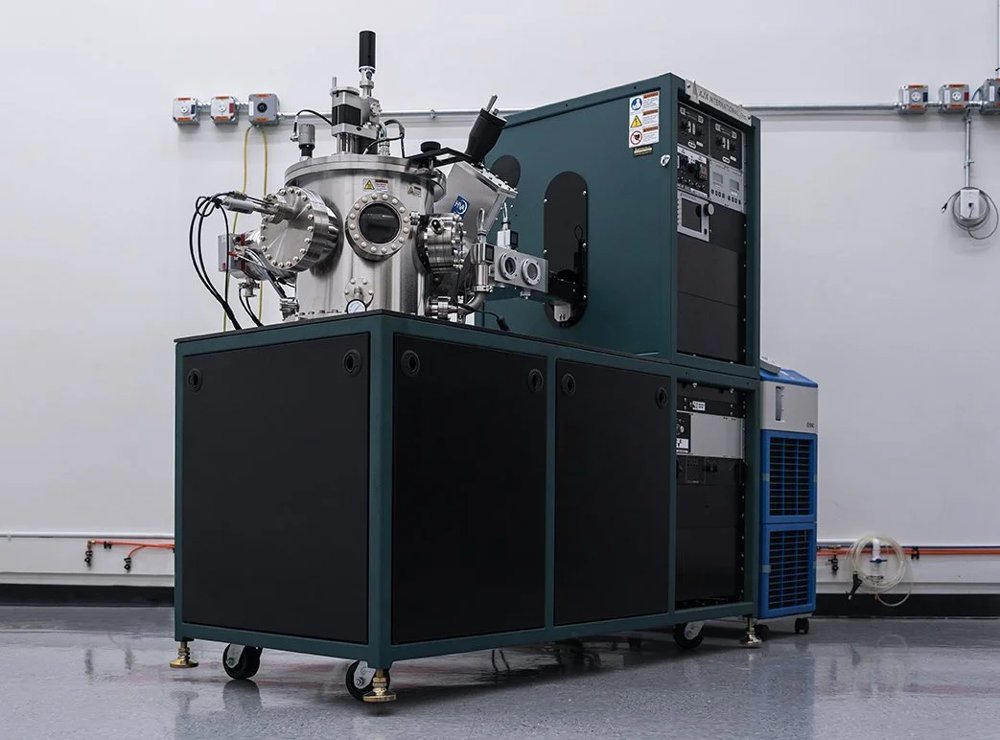 Orion Sputtering Deposition SystemsAJA International Featured
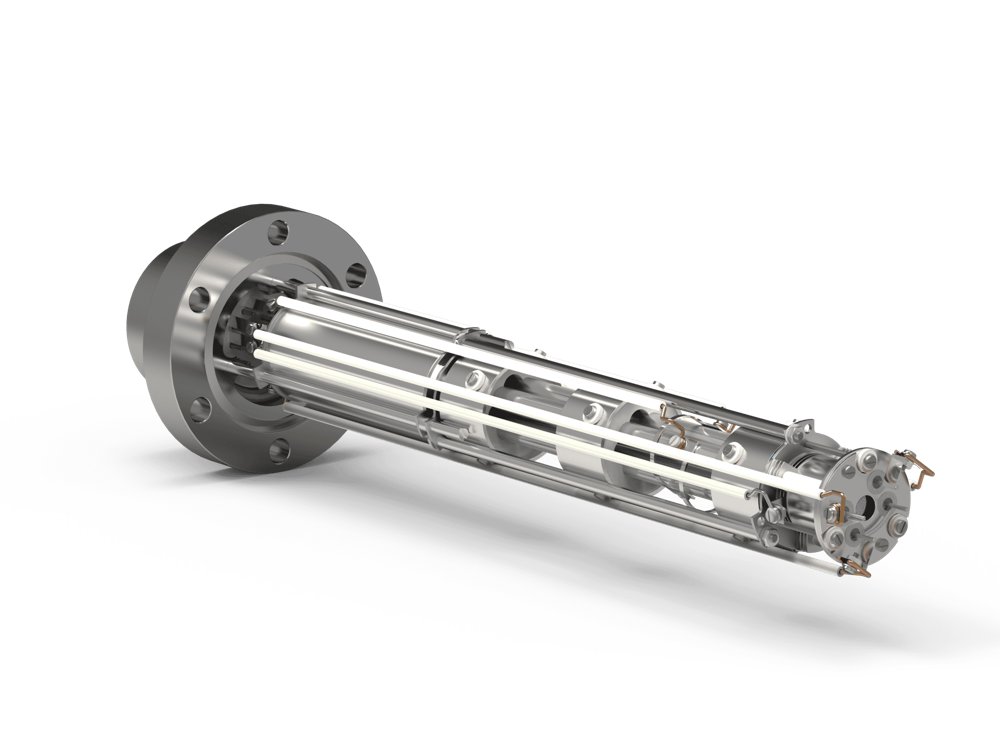 DLS-1 Mass Spectrometer for Fusion Gas AnalysisHiden Analytical Featured
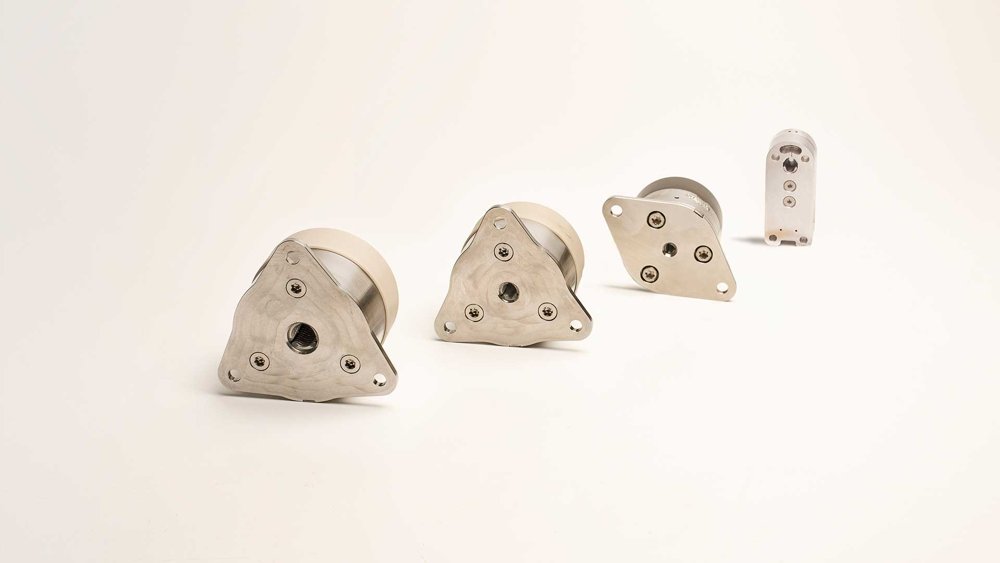 Hold Down & Release Mechanisms (HDRM) REACT – 5KN, 15KN and 35KN space qualified resettable mechanismsARQUIMEA
Market insights
Last 30 days: Quantum Technologies was the busiest vertical: 61 of 192 events (32%).
Money raised per month