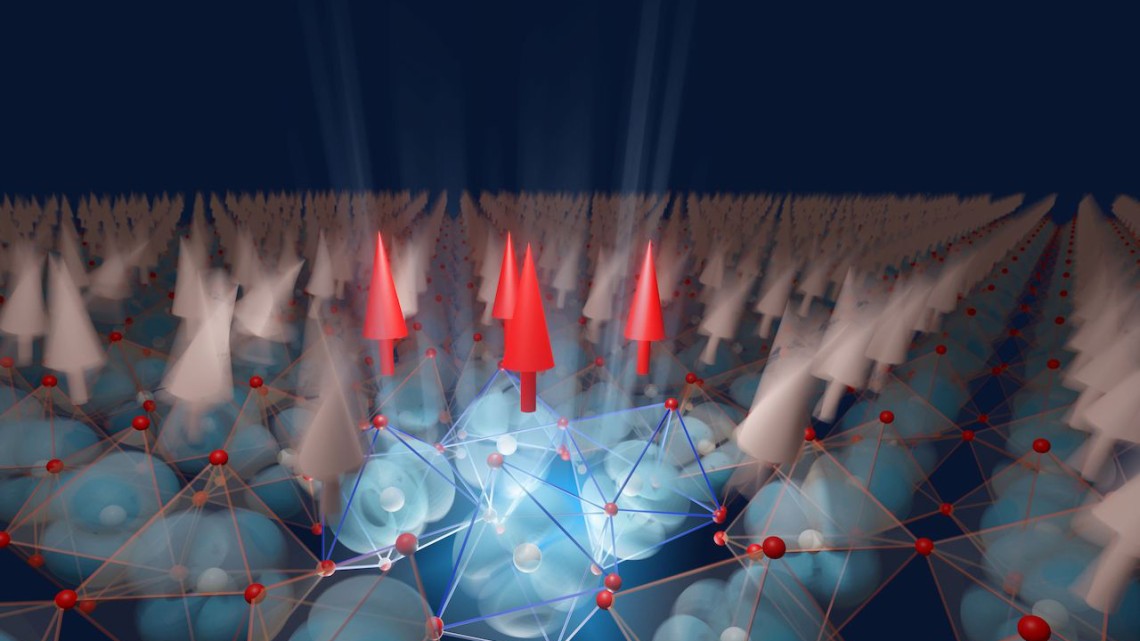
Using a precisely tuned, ultrafast laser, a Cornell researcher showed that the atomic structure of yttrium titanate could be changed to stabilize its magnetism at temperatures three times higher than was previously possible – a promising finding for applications in quantum computing and other next-generation devices.
In the quest to develop faster and more efficient types of computers, scientists are searching for materials with quantum properties that work at ambient temperatures. Being able to control magnetism – which depends on the microscopic interactions between electron spins – using laser pulses holds promise for energy-efficient, high-frequency computers and digital memories.
Ankit Disa ’10, assistant professor in applied and engineering physics, is lead author of “Photo-Induced High-Temperature Ferromagnetism in YTiO3,” published May 3 in Nature.
Disa and collaborators at the Max Planck Institute for the Structure and Dynamics of Matter in Hamburg, Germany, found that by using different frequencies of the light pulses in a specially designed terahertz laser source, they could alter the atomic structure of yttrium titanate in different ways – sometimes getting significant enhancements of the magnetic properties with exponential improvements in the temperature scale.
At other frequencies, however, the magnetism was not as strong or showed no change.
“The results of our work are encouraging and exciting for several reasons,” Disa said. “We were able to demonstrate the ability to manipulate the structure of a material, which helps us understand the structure-property relationships within the material. Second, from a technological point of view, we found that using light pulses that are a few hundred femtoseconds long – or less than a millionth of a millionth of a second – we can change the magnetic state of an atom.”
This could enable new kinds of computing – based on electron spins, rather than charge – that could operate orders of magnitude faster and more efficiently than existing computing technologies. But controlling magnetism is challenging, Disa said.
“To control magnetism, you have to apply magnetic field,” he said. “This often requires bulky electromagnetic coils and is difficult to do on a microscopic scale. The fact that we showed how to do this with light, and could improve an existing magnet’s properties in this way, could help push this type of technology forward.”
Disa plans to further develop the experimental setup and collaborate with materials design experts – researchers who are creating new materials that can be built atomic layer by atomic layer – to explore new ways to optimize material properties with light, including magnets, electronic materials and superconductors.
Reference
Photo-induced high-temperature ferromagnetism in YTiO3
A. S. Disa, J. Curtis, M. Fechner, A. Liu, A. von Hoegen, M. Först, T. F. Nova, P. Narang, A. Maljuk, A. V. Boris, B. Keimer & A. Cavalleri
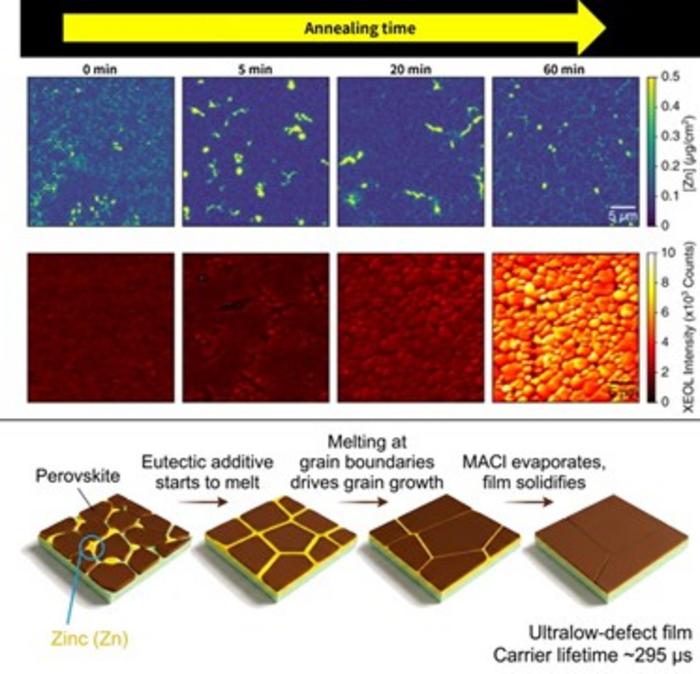
A eutectic mixture of methylammonium chloride and a zinc halide melts at about 100 degrees Celsius, forming a transient liquid layer at perovskite grain boundaries that lets crystals merge into larger, cleaner grains. The resulting films reached a carrier lifetime of roughly 295 microseconds and a surface recombination velocity of 0.3 cm/s, the lowest reported for lead halide perovskites.
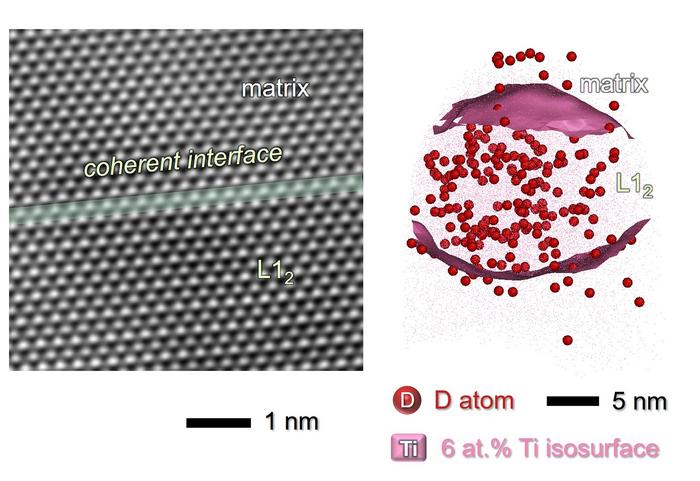
Researchers at the University of Sydney have directly observed hydrogen dissolved in the interstitial spaces between metal atoms in alloys, a world first. Using cryogenic atom probe tomography with deuterium tracers, electron microscopy and theoretical calculations, the team showed hydrogen occupies sites between atoms rather than only collecting at defects, and that local atomic arrangement and chemistry dictate where it prefers to reside.
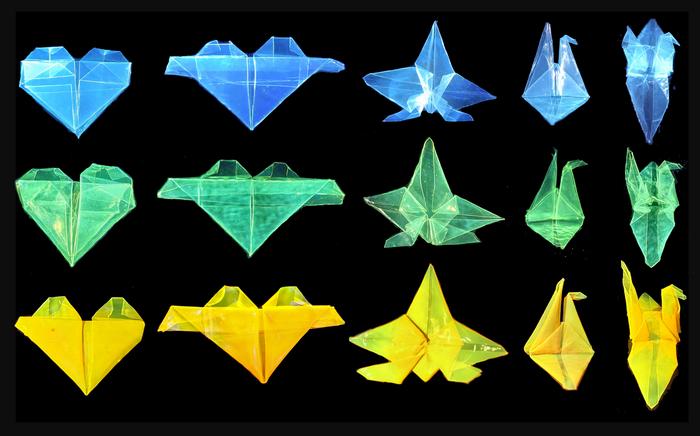
Researchers have developed carbon dots whose fluorescence shifts across the visible spectrum, from blue to red, depending on concentration, liquid environment and acidity. By tuning the particles' surfaces, the team produced versions that change color reversibly as pH shifts, then incorporated them into polymer powders, molded shapes and flexible films.
This week in nanotech
$13.6M raised
3 funding rounds · 20 deals tracked
New products
 Ti-WCMBN Nanomaterialia Featured
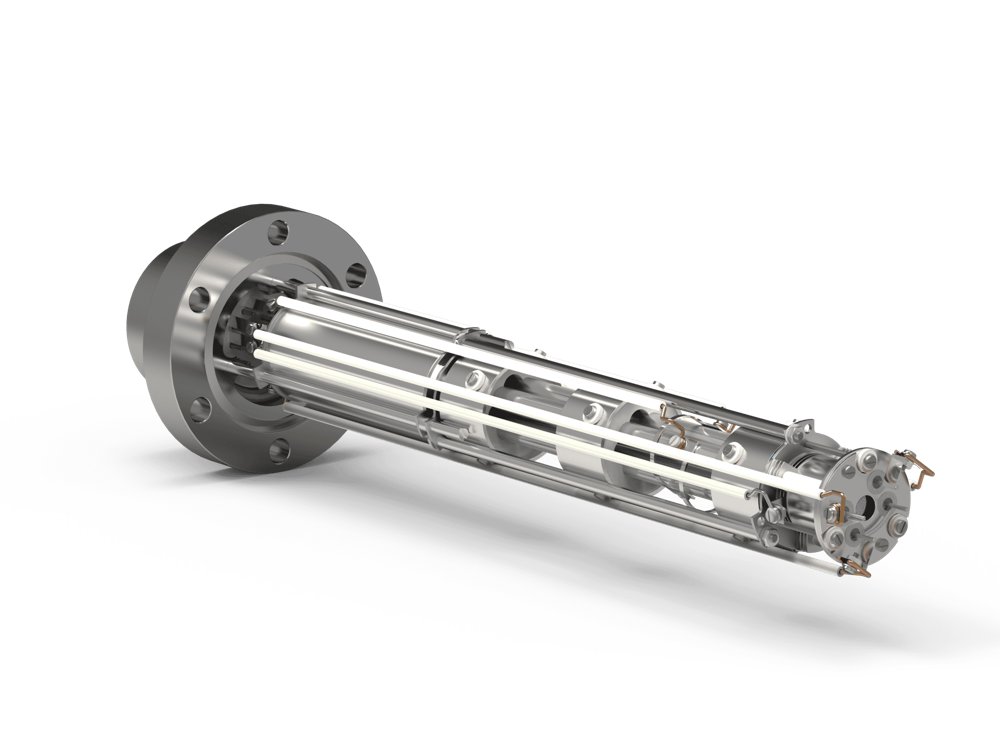 DLS-1 Mass Spectrometer for Fusion Gas AnalysisHiden Analytical Featured
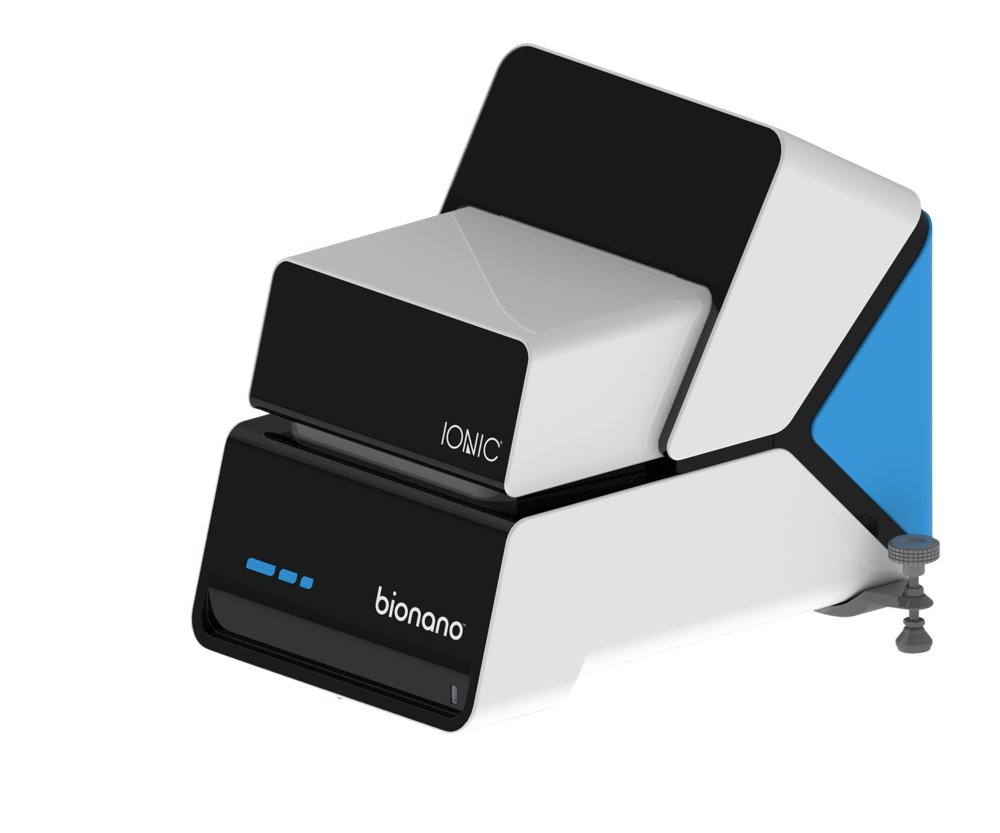 Ionic® Purification SystemBionano Genomics, Inc.
Market insights
Last 30 days: Quantum Technologies was the busiest vertical: 61 of 192 events (32%).
Money raised per month