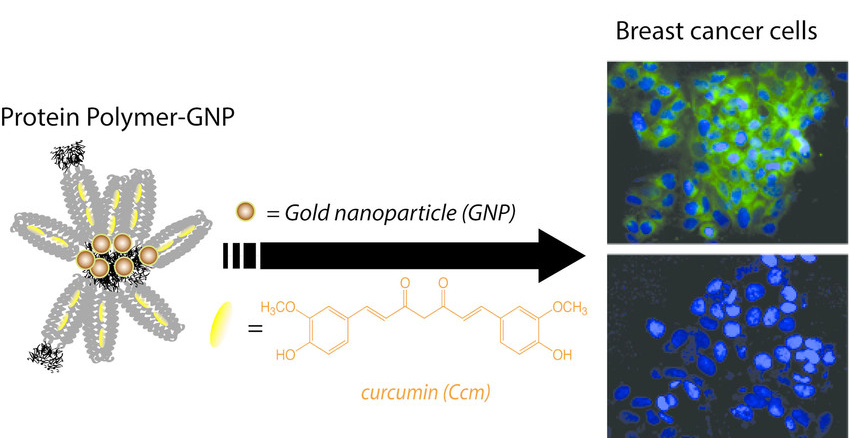
A new hybrid molecule developed in the lab at the NYU Tandon School of Engineering shows promise for treating breast cancer by serving as a “shipping container” for cytotoxic—or cell-destroying—chemotherapeutic agents. The protein/polymer-gold nanoparticle (P-GNP) composite can load up with these drugs, carry them to malignant cells, and unload them where they can do the most damage with the least amount of harm to the patient.
The hybrid molecule enhances small-molecule loading, sustained release, and increased uptake in breast cancer cells. It is also relatively easy to synthesize. It was developed by Jin Kim Montclare—an associate professor in the Department of Chemical and Biomolecular Engineering at NYU Tandon and an affiliate professor of Chemistry at NYU and Biochemistry at SUNY Downstate—along with collaborators at the Department of Biology at Brooklyn College and Graduate Center of the City University of New York.
Montclare explained that these abilities make the P-GNP vehicle unique among hybrids. “The protein component has been exclusively developed in our lab; no one else has made such constructs,” she said. These protein polymers possess the unique ability to self-assemble in a temperature-sensitive manner while also exhibiting the ability to encapsulate small molecules.
As published in the Journal of Nanomedicine & Nanotechnology, the team performed tests with in vitrosamples of the MCF-7 breast cancer cell line, using the anti-inflammatory compound curcumin, shown experimentally to inhibit cancer cell growth when applied directly to a tumor, as the chemotherapy agent. When compared to the protein polymers alone, the P-GNP hybrid demonstrated a greater than seven-fold increase in curcumin binding, a nearly 50 percent slower release profile, and more than two-fold increase in cellular uptake of curcumin.
This is an important achievement, given the difficulty in delivering chemotherapeutic compounds to their targets because such agents tend to be hydrophobic, meaning they don’t dissolve easily in water. And the more potent they are, the more hydrophobic they tend to be, said Montclare, who recently received the “Rising Star Award” from the American Chemical Society’s Women Chemist Committee.
“The P-GNPs are able to solubilize the hydrophobic small molecule through both the protein domain itself, and the gold nanoparticles. Thus, P-GNP can carry higher payloads, enabling it to deliver more drug,” she said.
She also found an easier way to build these hybrid molecules. Most literature describes a process involving high temperatures and pressures, and harsh chemistry. But Montclare is able to synthesize
P-GNP in one operation thanks to histidine tags, which, she said, are “responsible for ‘templating’ the GNPs, making the synthesis a possibility under ambient temperature and pressure. So we do it all at once because the protein itself crystallizes the gold right from a solution of gold salts to generate GNP right on the end of the protein polymer.”
The next step is to observe efficacy by injecting P-GNP complexes directly into a variety of mouse cancer models. Montclare said human testing of P-GNP is still years away.
Outside funding support was provided by the National Science Foundation, Shiffrin Meyer Breast Cancer Discovery Fund, and the National Institute of Health’s National Center for Advancing Translational Sciences.
“Engineered Protein Polymer-Gold Nanoparticle Hybrid Materials for Small Molecule Delivery” is available at here.
NYU Tandon School of Engineering
#Cancer #Nanomedicine #Nanoparticles #GoldNanoparticles #Bionano
This week in nanotech
$108.5M raised
8 funding rounds · 46 deals tracked
New products
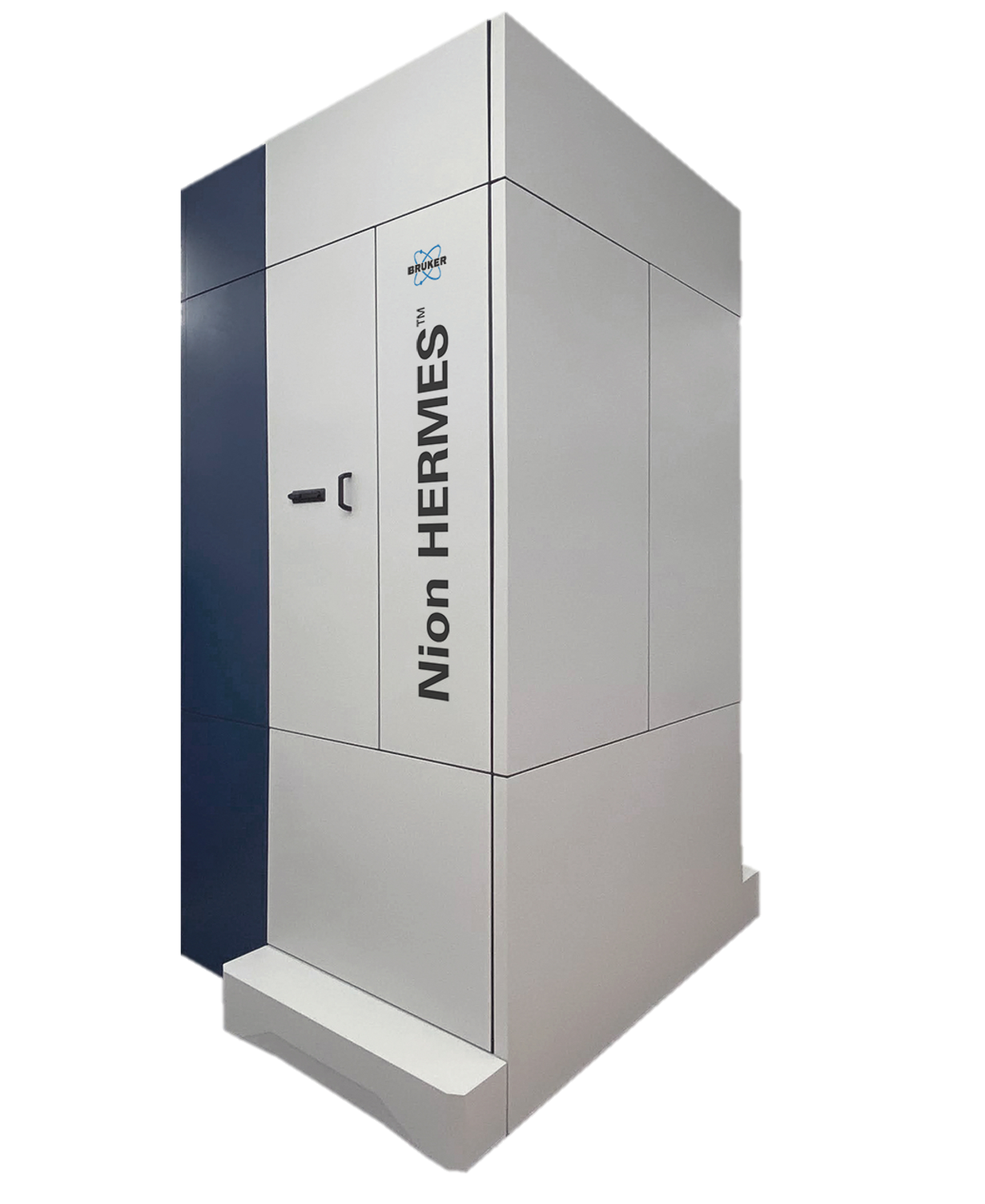 Nion-compatible In Situ STEM Holders for Electrical BiasingHummingbird Scientific Featured
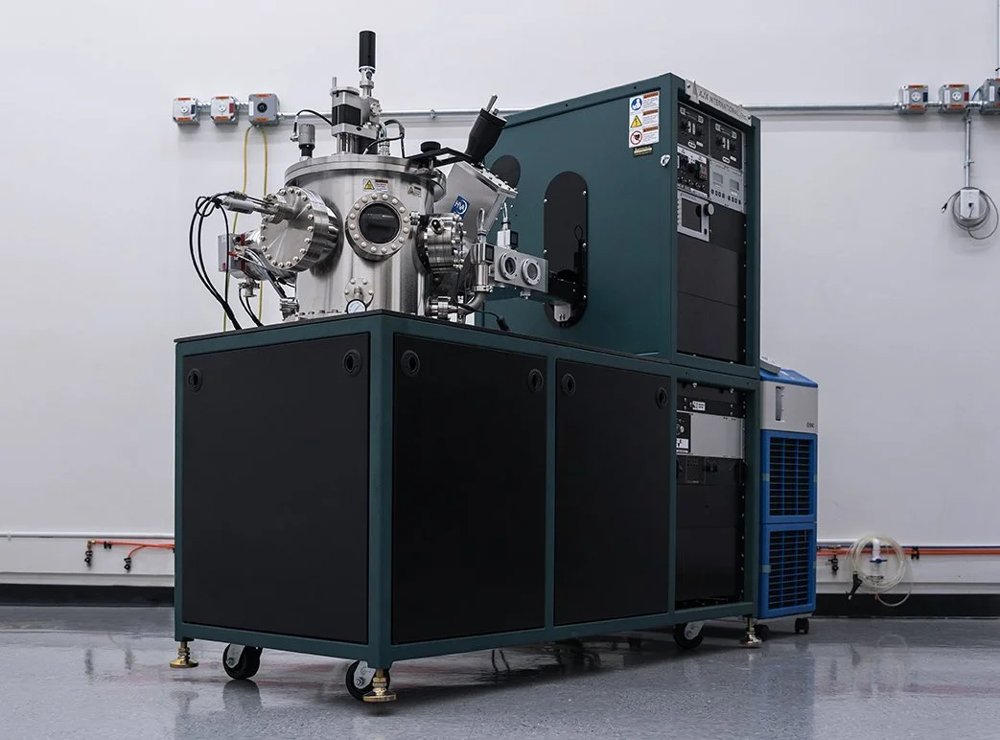 Orion Sputtering Deposition SystemsAJA International Featured
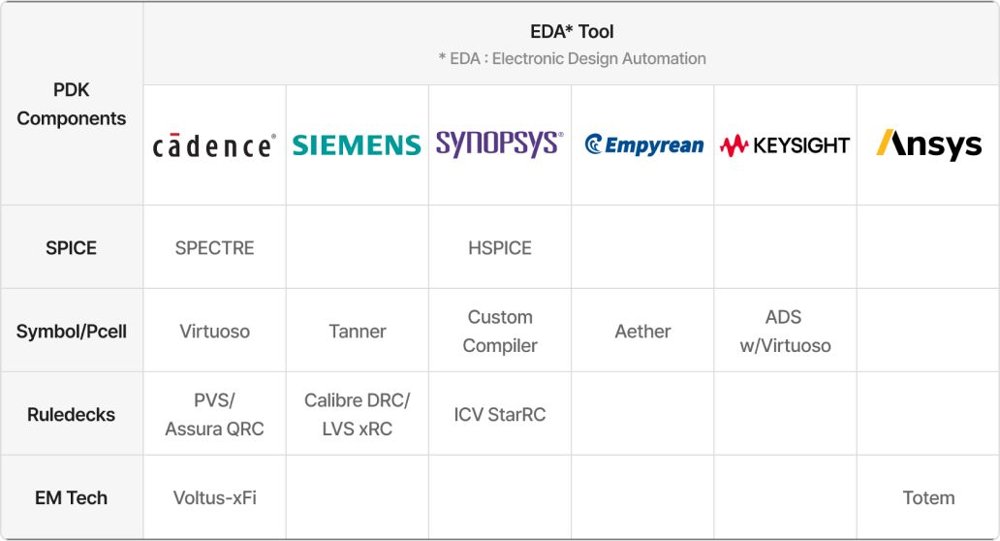 PDK (Process Design Kit)DB HiTek
Market insights
Last 30 days: Quantum Technologies drew the most money: $3.17B.
Money raised per month
Behind the deal
Who invested in Vertical Semiconductor’s $73M Grant?
See the investors with Insights Pro →