Tsinghua University Press
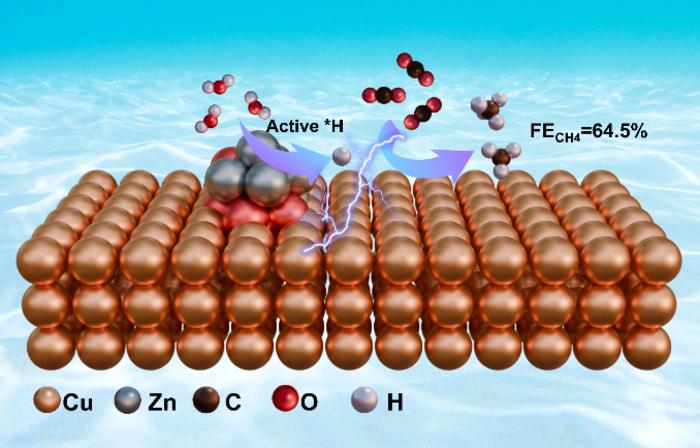
As the global energy crisis and greenhouse effect intensify, utilizing renewable electricity to convert carbon dioxide (CO2) into high-value-added fuels has become one of the key pathways to achieving the "Dual Carbon" goals. Recently, the team led by Professor Lei Ge from the State Key Laboratory of Heavy Oil Processing at China University of Petroleum (Beijing) has made significant progress in this field. They successfully developed a copper-zinc (Cu-Zn) bimetallic tandem catalyst that significantly enhances the efficiency and selectivity of the carbon dioxide electroreduction reaction (eCO2RR) to produce methane (CH4).
The related research, titled "*Synergistic promotion of proton relay and CO hydrogenation in Cu-Zn tandem catalysts for highly efficient electrocatalytic CO2-to-CH4 conversion," has been published in the prestigious nanoscience journal Nano Research on June 8, 2026.
Methane, the primary component of natural gas, possesses a high gravimetric energy density and is directly compatible with existing energy infrastructure. However, converting CO2 to methane is a complex kinetic process involving an eight-electron transfer, characterized by high reaction energy barriers and susceptibility to interference from side reactions such as the hydrogen evolution reaction (HER), making product selectivity difficult to control. Traditional single-metal copper-based catalysts, while capable of producing methane, often face challenges including low Faradaic efficiency, narrow potential windows, and poor stability.
To address these challenges, Professor Ge's team innovatively utilized the volatility of zinc at high temperatures, employing a solvothermal method combined with a high-temperature calcination strategy to prepare a series of carbon-coated Cu-Zn bimetallic catalysts (CuZn@C). By precisely controlling the calcination temperature (700℃, 800℃, 900℃), the researchers achieved accurate modulation of the zinc content on the catalyst surface.
Experimental results show that the CuZn800@C sample calcined at 800°C performed the best. At a potential of -1.7 V (vs. the reversible hydrogen electrode), its methane Faradaic efficiency (FE) reached as high as 64.5%, with a partial current density for methane hitting -429.1 mA/cm². Meanwhile, the catalyst demonstrated excellent stability, with only a slight decay in catalytic performance during a continuous 24-hour test.
"The core of this study lies in revealing the 'tandem catalysis system' mechanism constructed by copper and zinc," explained Zhixin Dai, the first author of the paper. "Through in situ infrared spectroscopy and density functional theory (DFT) calculations, we found that zinc and copper play distinct roles in the reaction. Zinc sites are primarily responsible for promoting water dissociation, acting as a 'proton relay station' to supply protons, while copper sites are responsible for lowering the energy barrier for the hydrogenation of the key intermediate *CO to form *CHO."
The research team further discovered that the Cu-Zn dual sites enhance the adsorption capacity of CO2, altering its linear molecular structure to make it more susceptible to activation. This "division of labor" tandem effect effectively suppresses the competitive hydrogen evolution reaction and significantly accelerates the conversion pathway from CO2 to CH4.
This work not only provides a new strategy for designing high-performance copper-based methanation catalysts but also offers new insights into understanding bimetallic synergistic catalysis mechanisms, holding significant importance for advancing the development of electrocatalytic CO2 resource utilization technologies.
Other contributors include Ruichao Bian, Yanping Qiu, Linping Li and Ning Li from the State Key Laboratory of Heavy Oil Processing, College of New Energy and Materials, China University of a Petroleum Beijing in Beijing, China.
This work was financially supported by National Natural Science Foundation of China (Grant No. 52473327, 51572295 and 21273285) and National Key R&D Program of China (Grant No. 2021YFA1501300, 2019YFC1907602).
Reference
Synergistic promotion of proton relay and *CO hydrogenation in Cu-Zn tandem catalysts for highly efficient electrocatalytic CO2-to-CH4 conversion
Zhixin Dai, Ruichao Bian, Yanping Qiu, Linping Li, Ning Li, and Lei Ge
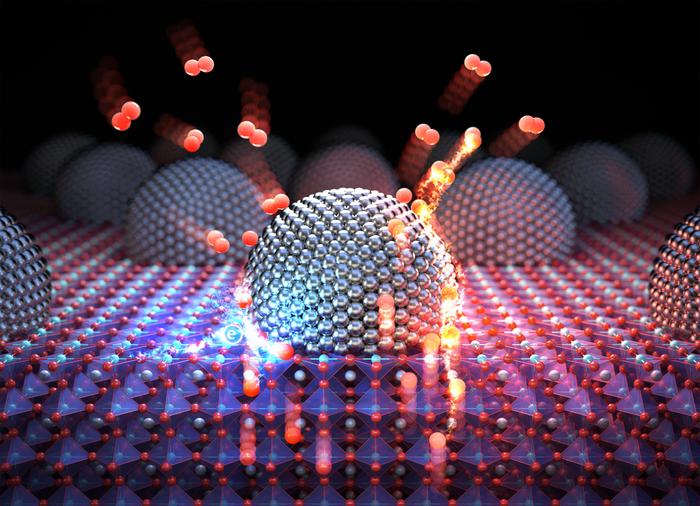
A joint team from SNU, KAIST, and KBSI has identified the distinct reaction sites of silver nanocatalysts in solid oxide cells. During electricity generation the catalyst–electrode interface dominates, while during hydrogen production the nanoparticle surface is key. The finding enables new design principles for higher-efficiency green hydrogen and clean power systems. Published in Energy & Environmental Science.
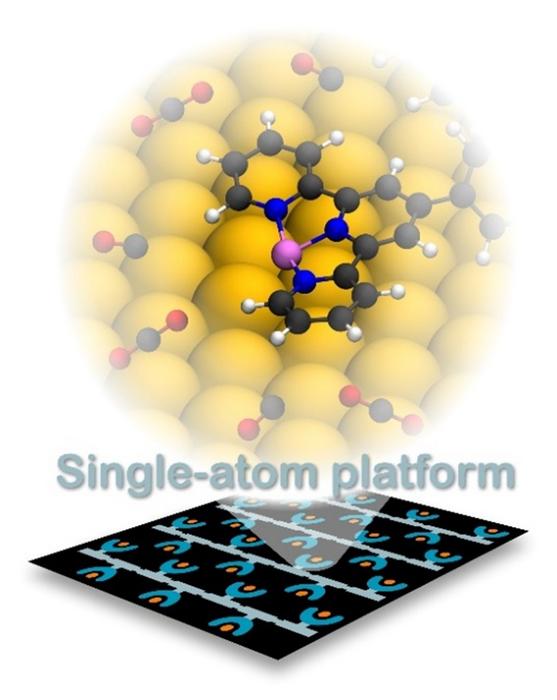
With carefully designed tunable active sites, unique structure of new single atom platforms enables strong gas binding in pioneering step towards more efficient industrially-relevant catalysis.
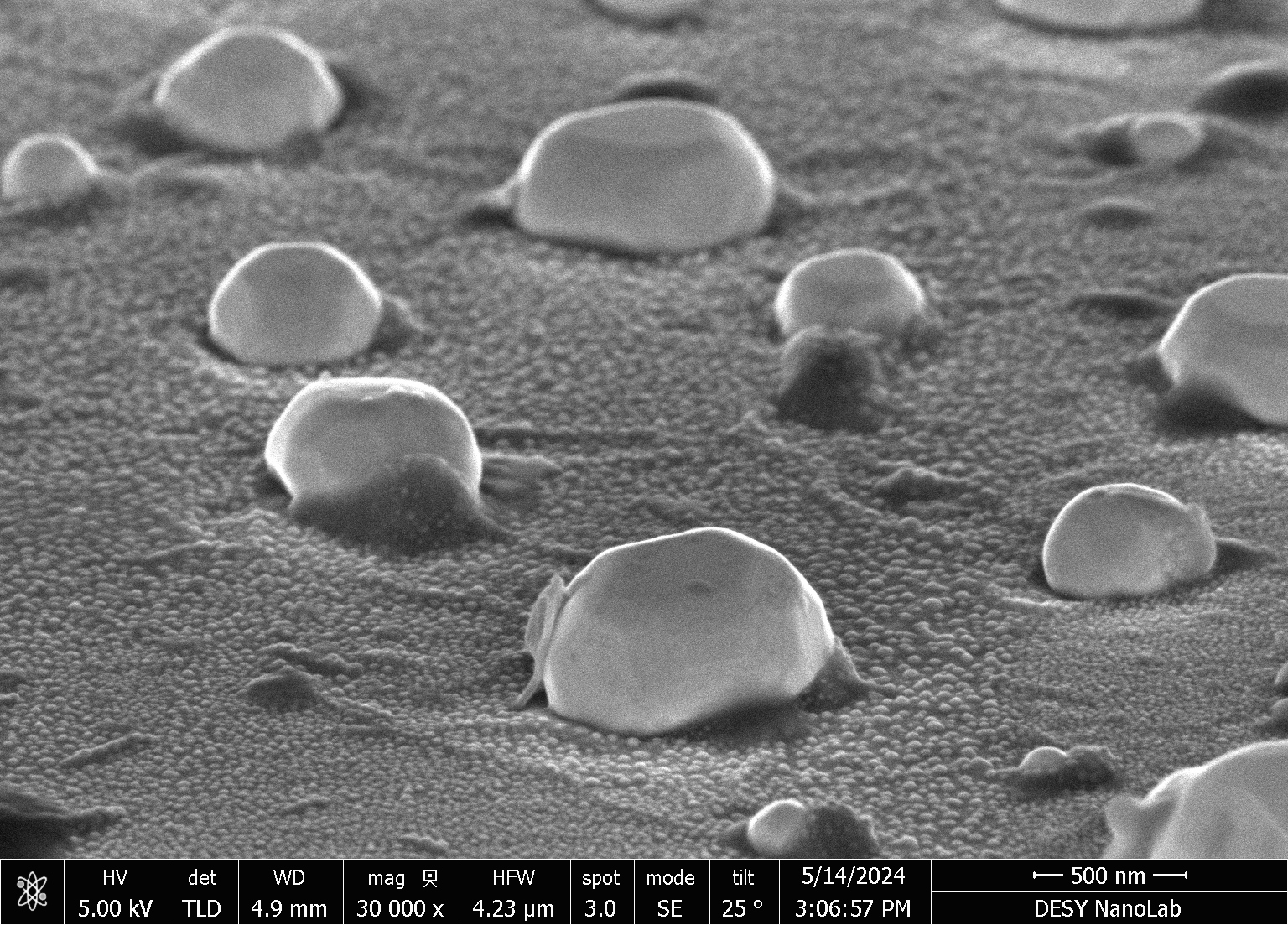
Using a combination of spectromicroscopy at BESSY II and microscopic analyses at DESY's NanoLab, a team has gained new insights into the chemical behaviour of nanocatalysts during catalysis. The nanoparticles consisted of a platinum core with a rhodium shell. This configuration allows a better understanding of structural changes in, for example, rhodium-platinum catalysts for emission control. The results show that under typical catalytic conditions, some of the rhodium in the shell can diffu...
This week in nanotech
$108.5M raised
7 funding rounds · 39 deals tracked
New products
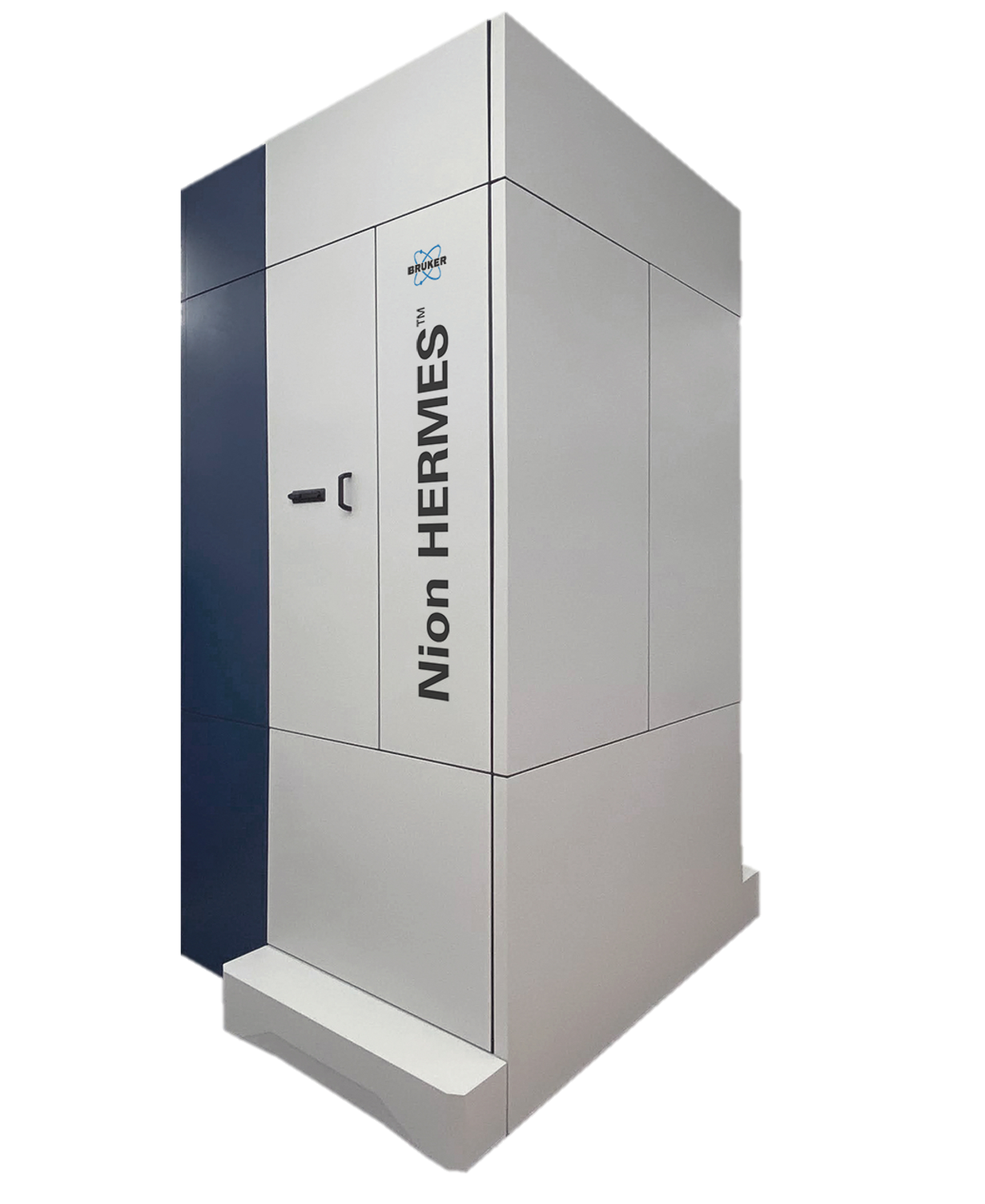 Nion-compatible In Situ STEM Holders for Electrical BiasingHummingbird Scientific Featured
 Ti-WCMBN Nanomaterialia Featured
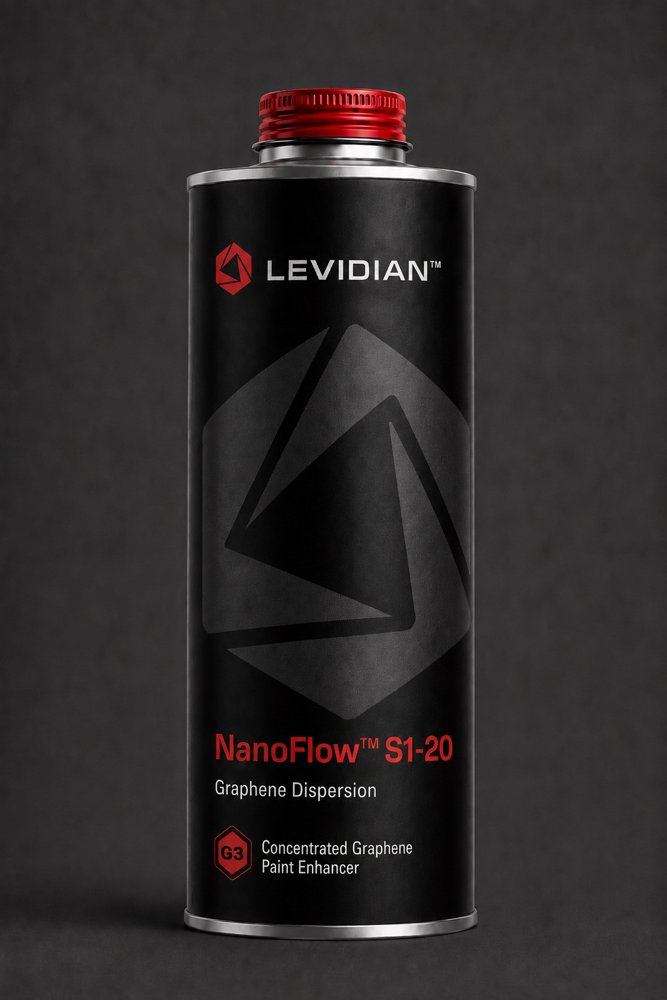 NanoFlow® S1-20Levidian
Market insights
Last 30 days: Quantum Technologies drew the most money: $3.17B.
Money raised per month
Behind the deal
Who led Xanadu Quantum Technologies Limited’s $10M Grant?
See the investors with Insights Pro →