Ames Laboratory
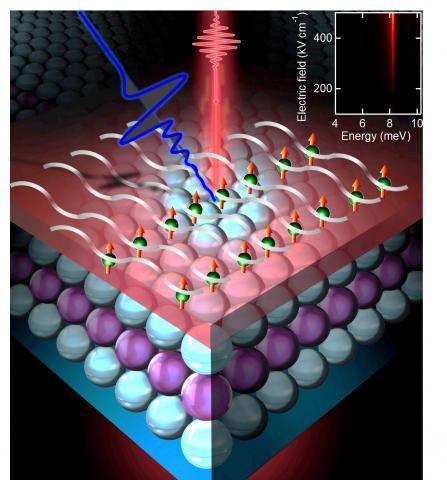
Scientists at the U.S. Department of Energy's Ames Laboratory have discovered that applying vibrational motion in a periodic manner may be the key to preventing dissipations of the desired electron states that would make advanced quantum computing and spintronics possible.
Some topological materials are insulators in their bulk form, but possess electron-conducting behavior on their surfaces. While the differences in the behavior of these surface electrons is what makes these materials so promising for technological applications, it also presents a challenge: uncontrolled interactions between surface electrons and the bulk material states can cause electrons to scatter out of order, leading to so-called "topological breakdown". They are not protected by any "spontaneous" symmetry.
"Topological insulators that can sustain a persistent spin-locked current on their surfaces which does not decay are termed 'symmetry protected,' and that state is compelling for multiple revolutionary device concepts in quantum computing and spintronics," said Jigang Wang, Ames Laboratory physicist and Iowa State University professor. "But the topological breakdown due to surface-bulk coupling is a long standing scientific and engineering problem."
Wang and his fellow researchers took a paradoxical approach, called dynamic stabilization, by applying a terahertz electric field to drive periodic atomic vibrations, i.e., vibrational coherence, in the model topological insulator bismuth-selenium Bi2Se3. These extra "fluctuations" actually enhanced protected topological states, making the electronic excitations longer lived.
An analogy of such dynamic stabilization is the periodically driven Kapitza pendulum, known by Nobel Laureate Peter Kapitza, where an inverted, yet stable, orientation is achieved by imposing a sufficiently high-frequency vibration of its pivot point. In a similar manner, additional dynamic stabilization can be achieved by driving quantum periodic motions of the lattice.
"We demonstrate the dynamic stabilization in topological matter as a new universal tuning knob, that can be used to reinforce protected quantum transport," said Wang, who believes the discovery has far-reaching consequences for the use of these materials to many scientific and technological disciplines, such as disorder-tolerant quantum information and communications applications and spin-based, lightwave quantum electronics.
Light Control of Surface-Bulk Coupling by Terahertz Vibrational Coherence in a Topological Insulator
X. Yang, L. Luo., C. Vaswani, X. Zhao, D. Cheng, Z. Liu, R. H. J. Kim, X. Liu, M. Dobrowolska, J. K. Furdyna, I. E. Perakis, C-Z Wang, K-M Ho and J. Wang
npj Quantum Materials 2020
DOI: 10.1038/s41535-020-0215-7
Contact information:
Jigang Wang
Ames Laboratory physicist in Division of Materials Sciences and Engineering and Iowa State professor
jgwang@iastate.edu
Phone: 515-294-5630
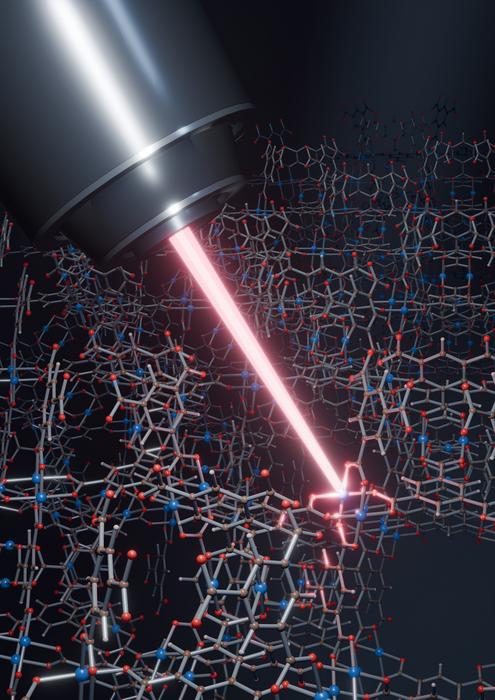
Filling the pores of a copper-based metal-organic framework with imidazolium ionic liquids makes the fragile material hard enough to pattern at room temperature. Treated Cu3BTC2 resisted the crystal damage seen in untreated samples during focused gallium ion beam etching, and researchers produced lines just 130 to 300 nanometres wide. The liquids appear to absorb heat and dissipate charge, and also raised hardness and thermal stability.
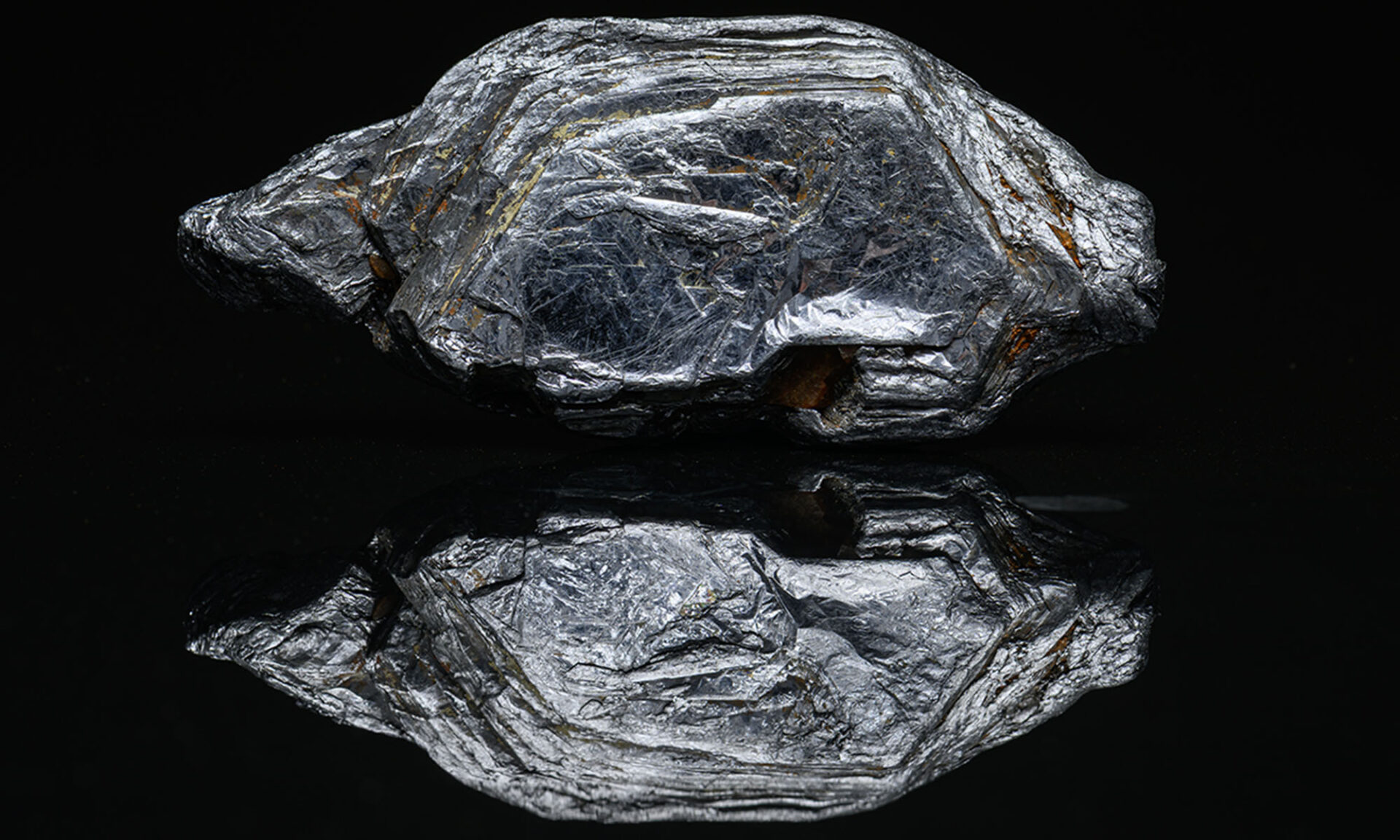
Engineers at the University of Rochester and Technion found that pressing a diamond nanoindenter tip a few nanometers into molybdenum can recrystallize the heat-resistant metal at room temperature, a process normally requiring about 1,000 degrees Celsius. Stopping the test just after the pop-in event reforms crystal grains in a tiny region around the dent, offering a way to repair defects and tailor properties locally.
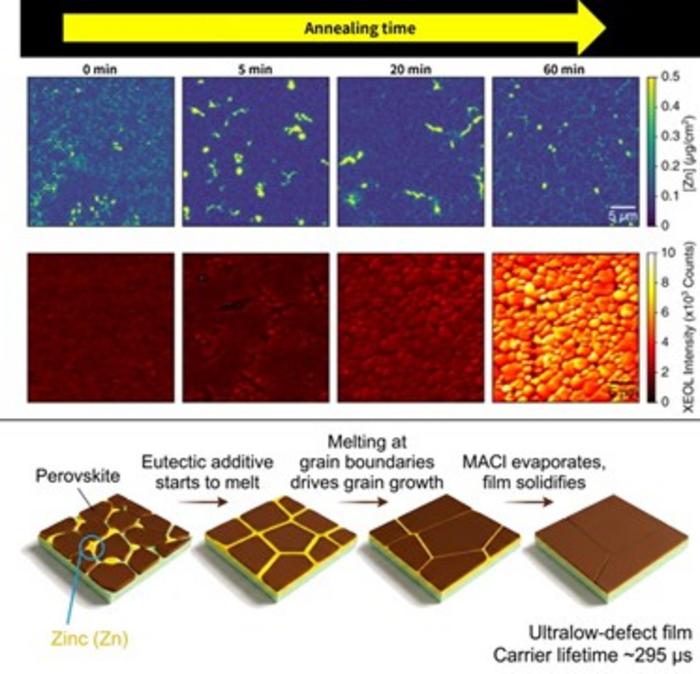
A eutectic mixture of methylammonium chloride and a zinc halide melts at about 100 degrees Celsius, forming a transient liquid layer at perovskite grain boundaries that lets crystals merge into larger, cleaner grains. The resulting films reached a carrier lifetime of roughly 295 microseconds and a surface recombination velocity of 0.3 cm/s, the lowest reported for lead halide perovskites.
This week in nanotech
9 deals tracked
New products
 Ti-WCMBN Nanomaterialia Featured
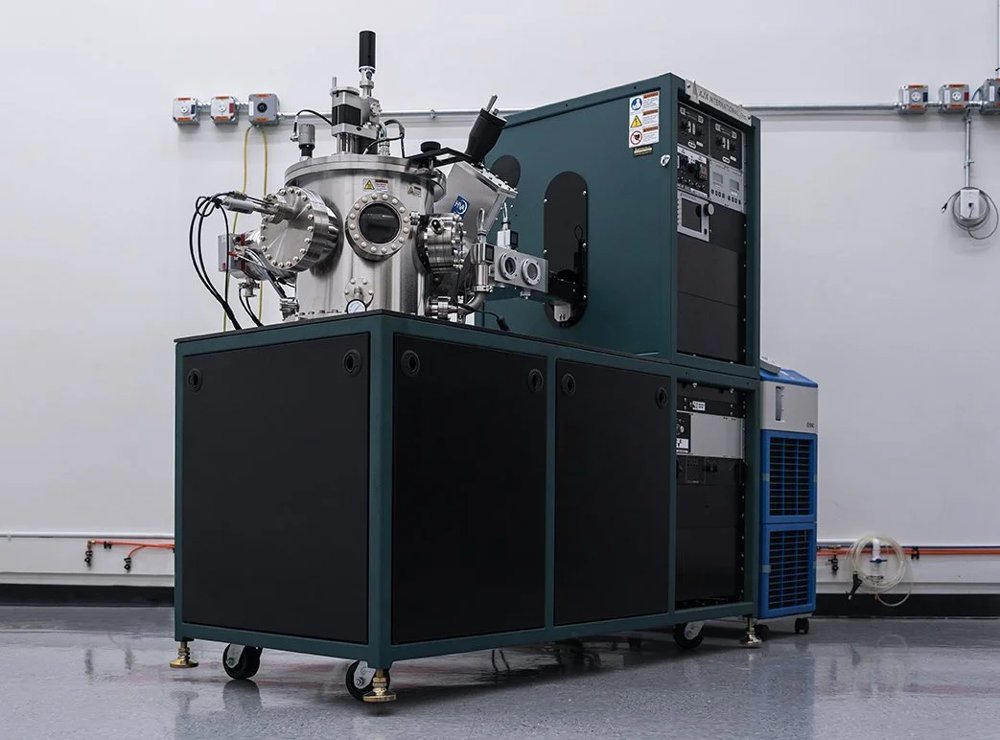 Orion Sputtering Deposition SystemsAJA International Featured
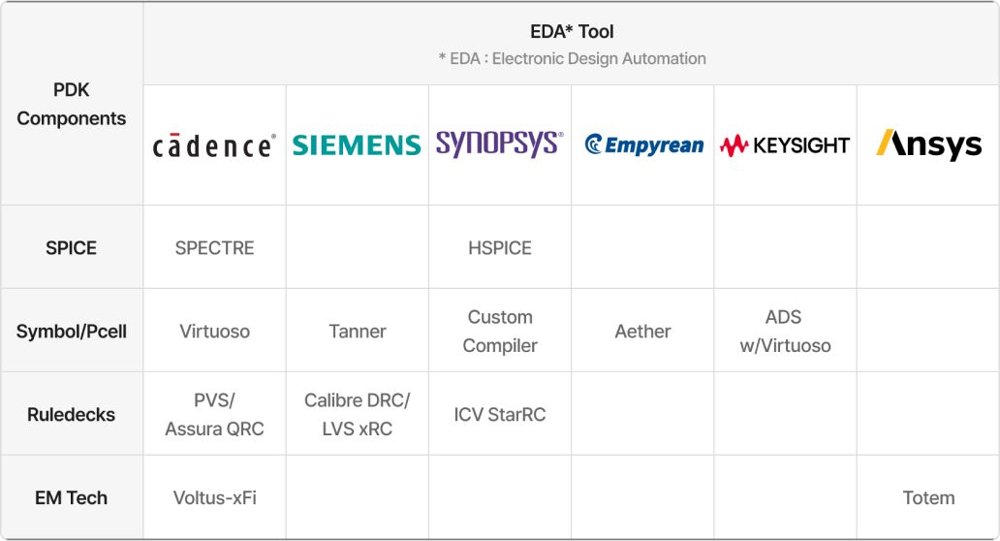 PDK (Process Design Kit)DB HiTek
Market insights
Last 30 days: Semiconductors & Electronics was the busiest vertical: 39 of 130 events (30%).
Money raised per month