Purdue University
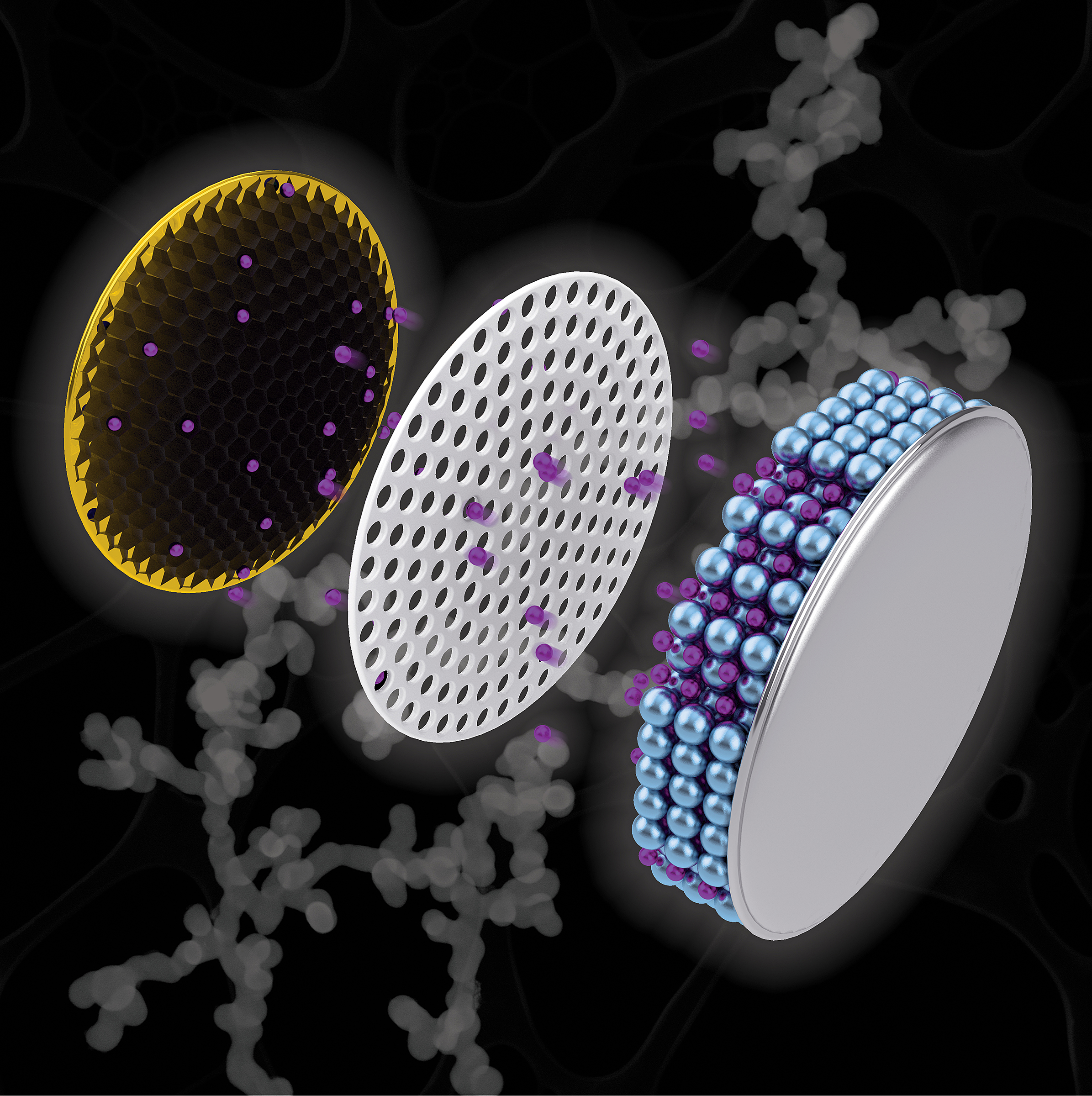
How long the battery of your phone or computer lasts depends on how many lithium ions can be stored in the battery's negative electrode material. If the battery runs out of these ions, it can't generate an electrical current to run a device and ultimately fails.
Materials with a higher lithium ion storage capacity are either too heavy or the wrong shape to replace graphite, the electrode material currently used in today's batteries.
Purdue University scientists and engineers have introduced a potential way that these materials could be restructured into a new electrode design that would allow them to increase a battery's lifespan, make it more stable and shorten its charging time.
The study, appearing as the cover of the September issue of Applied Nano Materials, created a net-like structure, called a "nanochain," of antimony, a metalloid known to enhance lithium ion charge capacity in batteries.
The researchers compared the nanochain electrodes to graphite electrodes, finding that when coin cell batteries with the nanochain electrode were only charged for 30 minutes, they achieved double the lithium-ion capacity for 100 charge-discharge cycles.
Some types of commercial batteries already use carbon-metal composites similar to antimony metal negative electrodes, but the material tends to expand up to three times as it takes in lithium ions, causing it to become a safety hazard as the battery charges.
"You want to accommodate that type of expansion in your smartphone batteries. That way you're not carrying around something unsafe," said Vilas Pol, a Purdue associate professor of chemical engineering.
Through applying chemical compounds - a reducing agent and a nucleating agent - Purdue scientists connected the tiny antimony particles into a nanochain shape that would accommodate the required expansion. The particular reducing agent the team used, ammonia-borane, is responsible for creating the empty spaces - the pores inside the nanochain - that accommodate expansion and suppress electrode failure.
The team applied ammonia-borane to several different compounds of antimony, finding that only antimony-chloride produced the nanochain structure.
"Our procedure to make the nanoparticles consistently provides the chain structures," said P. V. Ramachandran, a professor of organic chemistry at Purdue.
The nanochain also keeps lithium ion capacity stable for at least 100 charging-discharging cycles. "There's essentially no change from cycle 1 to cycle 100, so we have no reason to think that cycle 102 won't be the same," Pol said.
Henry Hamann, a chemistry graduate student at Purdue, synthesized the antimony nanochain structure and Jassiel Rodriguez, a Purdue chemical engineering postdoctoral candidate, tested the electrochemical battery performance.
The electrode design has the potential to be scalable for larger batteries, the researchers say. The team plans to test the design in pouch cell batteries next.
Three-Dimensional Antimony Nanochains for Lithium-Ion Storage
Jassiel R. Rodriguez, Henry J. Hamann, Garrett M. Mitchell, Volkan Ortalan, Vilas G. Pol, P. Veeraraghavan Ramachandran
ACS Applied Nano Materials (2019)
Contact information:
Vilas Pol
Associate professor of chemical engineering at Purdue University
vpol@purdue.edu
Phone: +1 765-494-0044
Vilas Pol Energy Research (ViPER) Group
P. V. Ramachandran
Professor of organic chemistry at Purdue University
chandran@purdue.edu
Phone: +1 765-494-5303
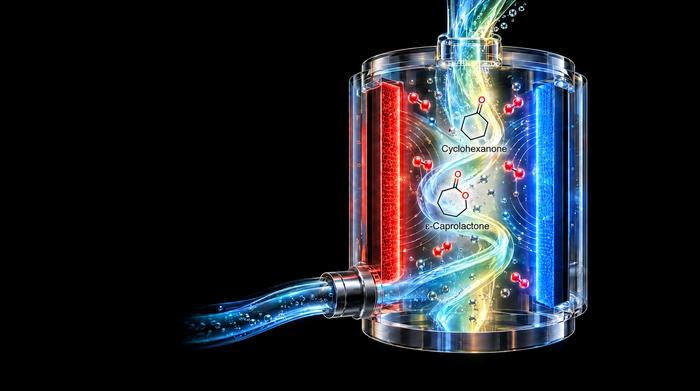
Researchers led by Professor Jaeyune Ryu at Seoul National University identified local pH near electrodes as a decisive variable in organic electrosynthesis. By designing a reactor that narrows electrode spacing and flows electrolyte to counterbalance acidic and alkaline zones, they raised selectivity for lactones and epoxides, feedstocks for biodegradable plastics, polyurethanes, adhesives, and epoxy resins, from about 16% to 97% using only oxygen and electricity, eliminating added peroxide…
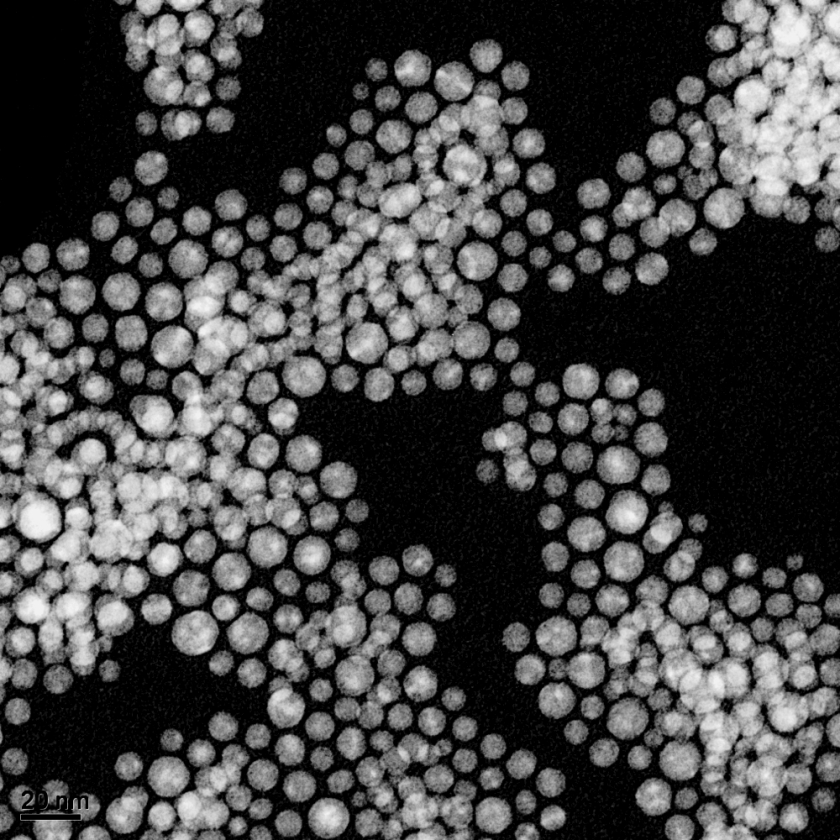
Silver nanoparticles with diameters of ~10 nm deliver the best performance as electrocatalysts. The silver particles are sprayed onto the electrode together with a conductive carbon powder. The ideal mixture consists of 20 per cent by mass silver and 80 per cent by mass carbon powder. This image was taken using a transmission electron microscope (TEM). © HZB Via electrolysis, CO₂ can be reduced to CO, a raw material for further chemical products such as fuels. Within the GreenQuest Project,...
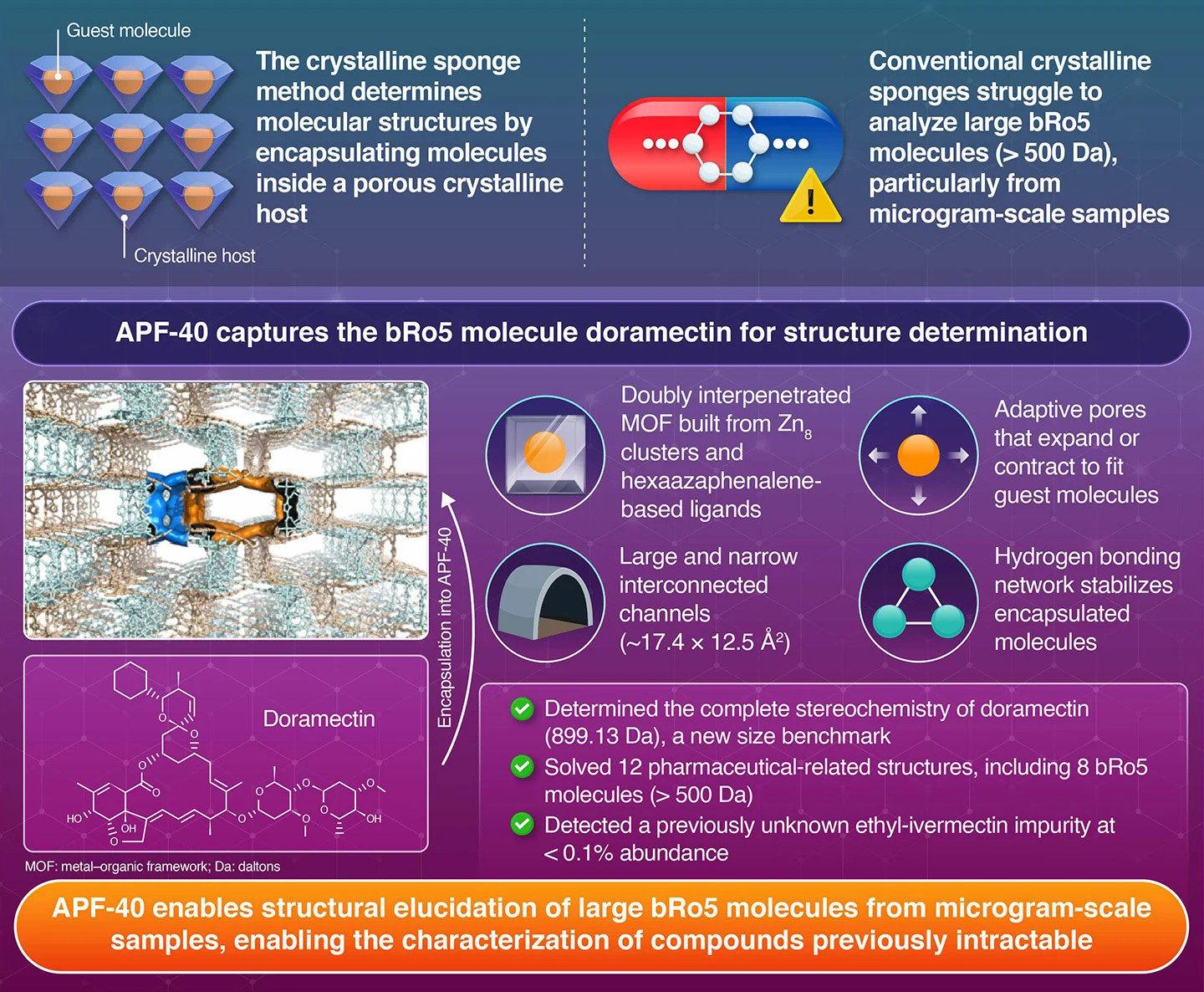
A flexible metal–organic framework developed by researchers from Institute of Science Tokyo enables the structural determination of large "beyond rule of 5" molecules from microgram-scale samples. Using APF-40 as a crystalline sponge, the researchers determined the structures of 12 pharmaceutical-related molecules, including the 899 Da drug molecule doramectin and trace ivermectin derivatives. The method could aid drug discovery, natural products research, and the characterization of rare...