
Last year, more than fifty years after initial theoretical proposals, researchers in Pisa, Stuttgart and Innsbruck independently succeeded for the first time in creating so-called supersolids using ultracold quantum gases of highly magnetic lanthanide atoms. This state of matter is, in a sense, solid and liquid at the same time. "Due to quantum effects, a very cold gas of atoms can spontaneously develop both a crystalline order of a solid crystal and particle flow like a superfluid quantum liquid, i.e. a fluid able to flow without any friction" explains Francesca Ferlaino from the Institute for Quantum Optics and Quantum Information of the Austrian Academy of Sciences and the Department of Experimental Physics at the University of Innsbruck. "Much simplified, a dipolar supersolid can be imagined as a chain of quantum droplets which communicate with each other via a superfluid background bath," says Thierry Giamarchi, theoretical physicist from the University of Geneva.
Surprisingly reversible
In Nature Physics, the researchers now report how such a supersolid state reacts if the superfluid bath between the droplets is drained by control of the external magnetic field. "We were able to show that without the bath the droplets quickly lose knowledge about each other and start to behave like small independent quantum systems - they dephase. The supersolid turns into a normal solid," says Maximilian Sohmen from Francecsa Ferlaino's team. "This 'solid', however, is still soft, it can wobble and support many collective excitations, called phonons", adds Philipp Ilzhöfer from the Innsbruck team. "This makes this state a very interesting but complex subject of study with strong connections to solid-state physics and other fields."
Maybe surprisingly, the Innsbruck physicists were also able to reverse this dephasing process: When they replenished the background bath, the droplets renewed their communication by particle tunneling and re-established supersolidity.
Contact
Francesca Ferlaino
Institute for Quantum Optics and Quantum Information of the Austrian Academy of Sciences and the Department of Experimental Physics
University of Innsbruck
+43-512-507-52440
francesca.ferlaino@oeaw.ac.at
Reference
Phase coherence in out-of-equilibrium supersolid states of ultracold dipolar atoms
P. Ilzhöfer, M. Sohmen, G. Durastante, C. Politi, A. Trautmann, G. Natale, G. Morpurgo, T. Giamarchi, L. Chomaz, M. J. Mark & F. Ferlaino
Nature Physics (2021)
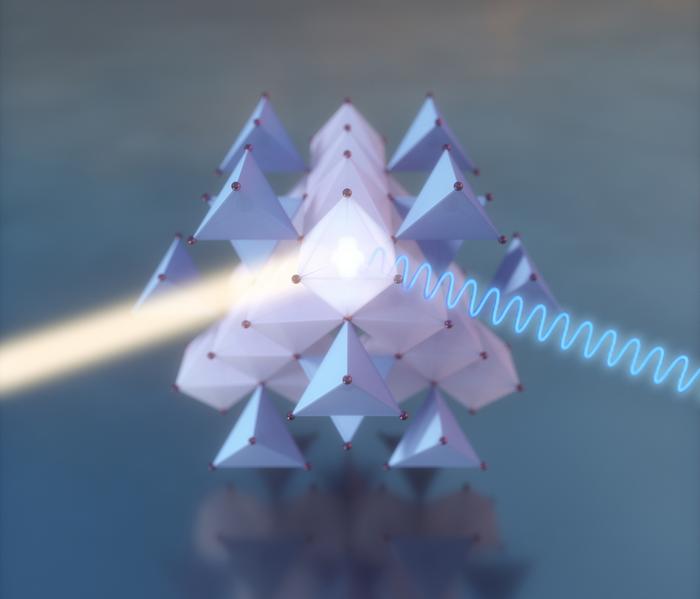
An international research team has observed Jahn-Teller polarons, unique quasiparticles, in cobalt oxide (Co₃O₄) crystals triggered by precisely tailored laser pulses. These polarons emerge through ultrafast electron transfer and local lattice distortions, dramatically influencing the material’s structural, electronic, and magnetic properties. Using advanced pump probe spectroscopy and theoretical modeling led by physicists at the Institute of Nuclear Physics of the Polish Academy of Sciences...
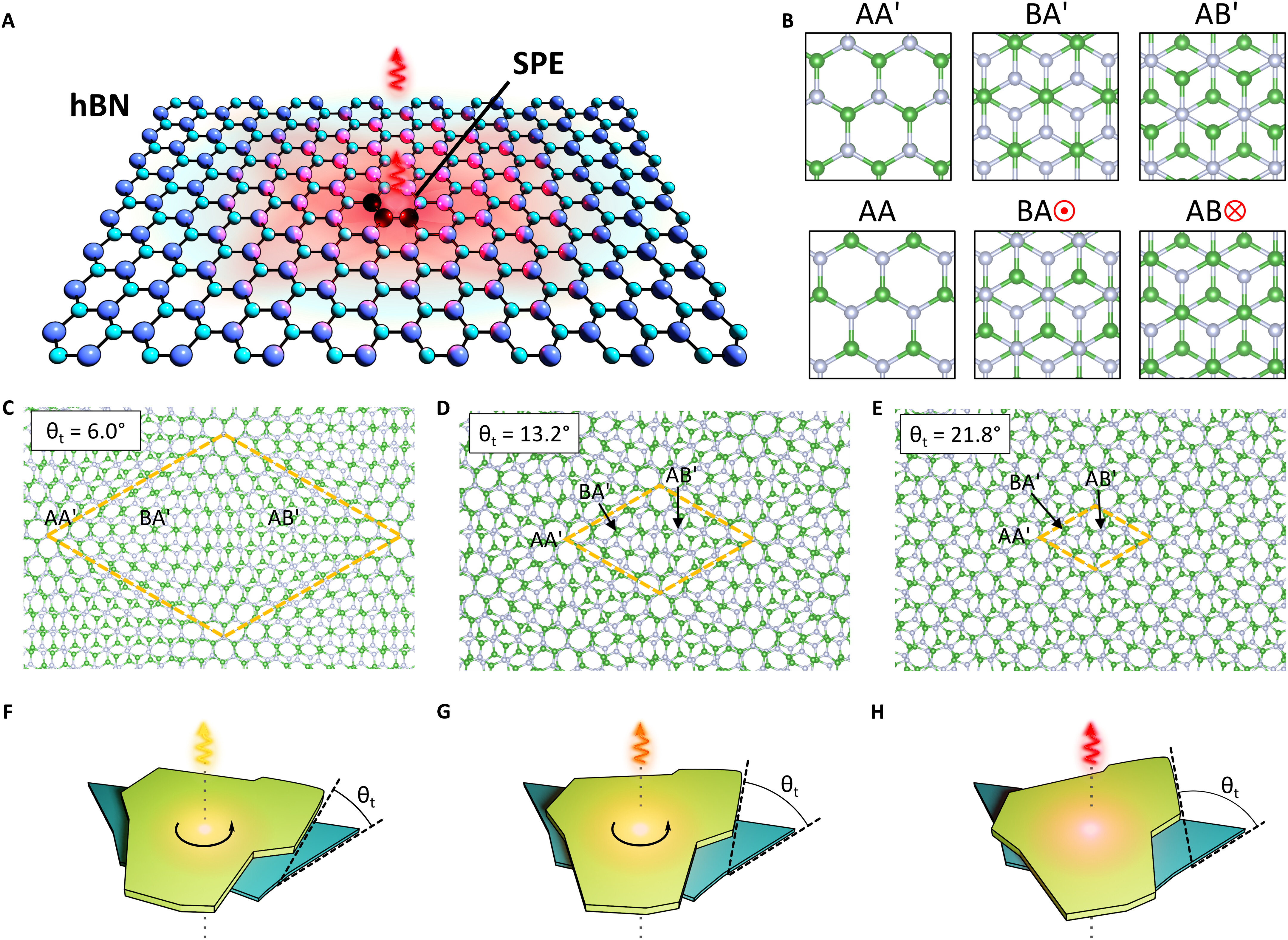
Researchers at the University of Technology Sydney (UTS), in collaboration with the University of Minnesota and Kyung Hee University, have discovered a powerful new way to control tiny quantum light sources by twisting atomically thin layers of hexagonal boron nitride (hBN). In a study published in Science Advances, the team demonstrated that by stacking and twisting hBN layers, they could significantly shift the color and wavelength of quantum emitters. This twistable platform offers far gre...
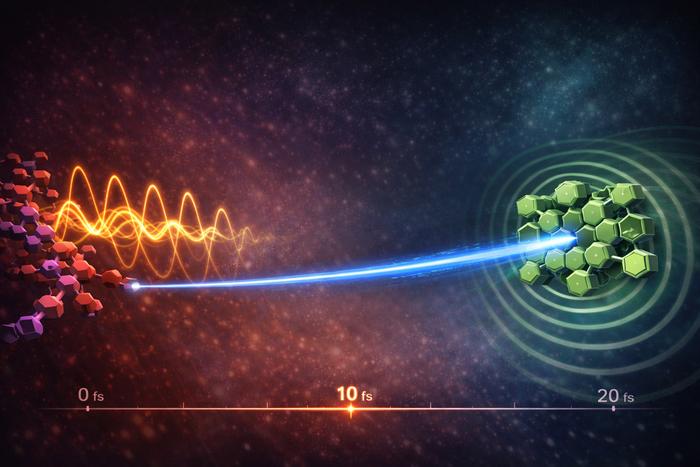
Electrons can be ‘kicked across’ solar materials at almost the fastest speed nature allows, scientists have discovered – challenging long-held theories about how solar energy systems work. The finding could help researchers design more efficient ways of harvesting sunlight and converting it into electricity. In experiments capturing events lasting just 18 femtoseconds – less than 20 quadrillionths of a second – researchers at the University of Cambridge observed charge separation happening wi...
This week in nanotech
$558.4M raised
5 funding rounds · 34 deals tracked
New products
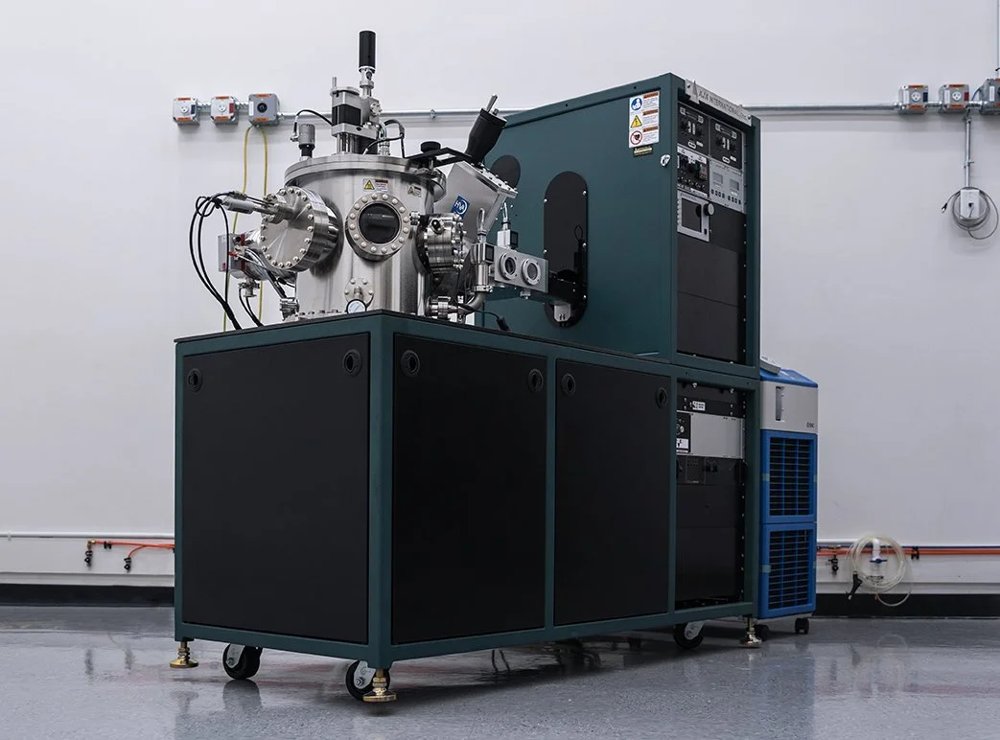 Orion Sputtering Deposition SystemsAJA International Featured
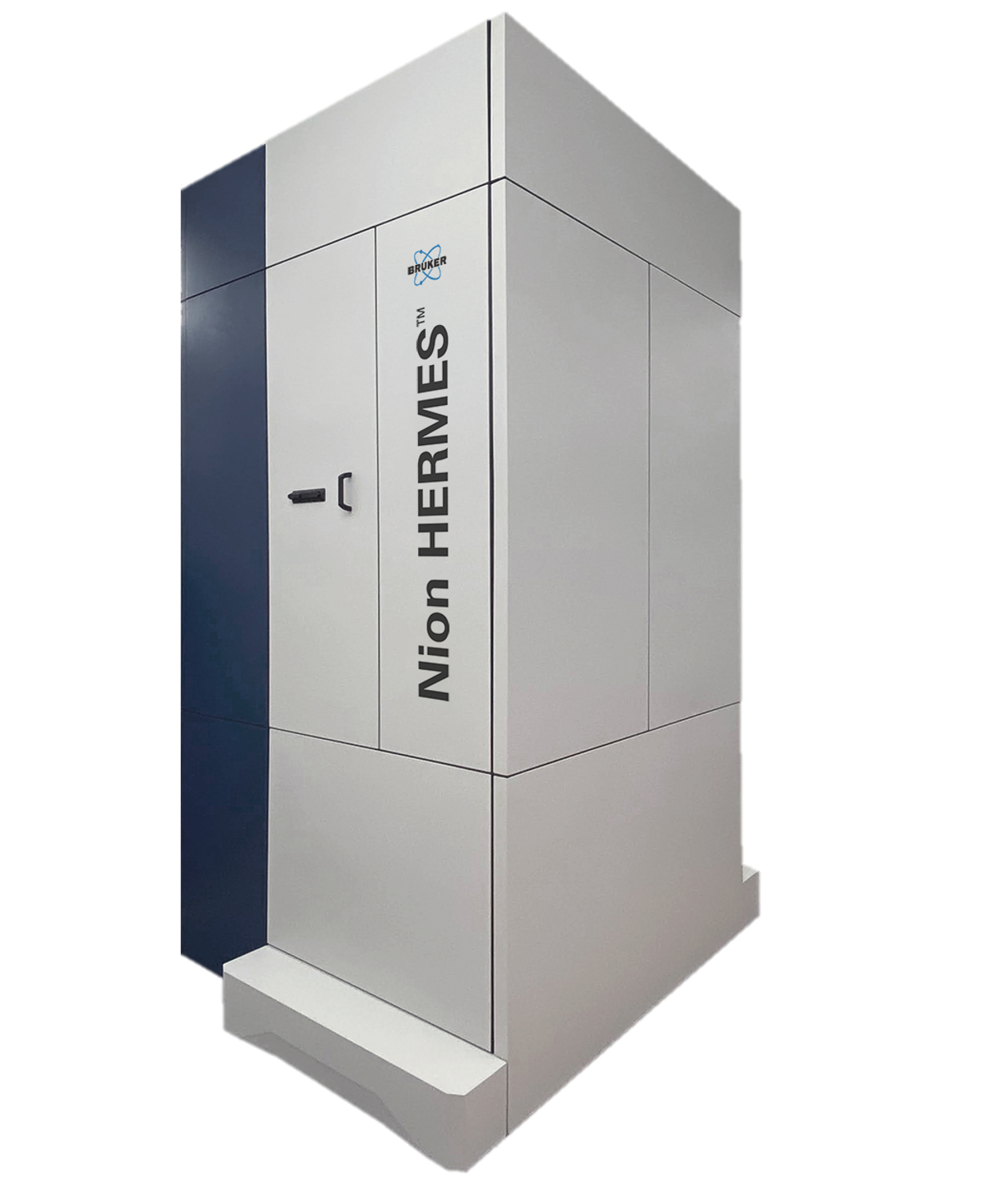 Nion-compatible In Situ STEM Holders for Electrical BiasingHummingbird Scientific Featured
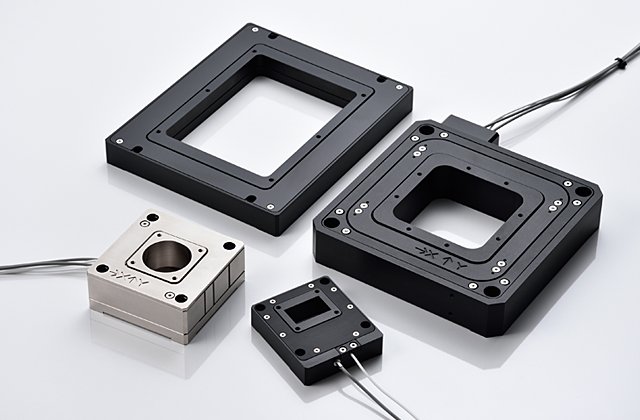 PKVH / PKVL ZAxis With an opening modelTHK PRECISION CO.,LTD.
Market insights
Last 30 days: Quantum Technologies drew the most money: $2.15B.
Money raised per month
Behind the deal
Who led Sandia National Laboratories’s $3.4M Grant?
See the investors with Insights Pro →