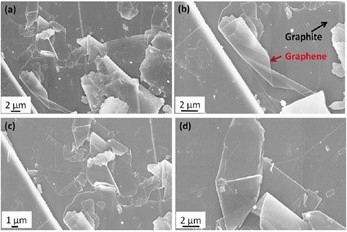
Ben-Gurion University of the Negev (BGU) and University of Western Australia researchers have developed a new process to develop few-layer graphene for use in energy storage and other material applications that is faster, potentially scalable and surmounts some of the current graphene production limitations.
Graphene is a thin atomic layer of graphite (used in pencils) with numerous properties that could be valuable in a variety of applications, including medicine, electronics and energy. Discovered only 11 years ago, graphene is one of the strongest materials in the world, highly conductive, flexible, and transparent. However, current methods for production currently require toxic chemicals and lengthy and cumbersome processes that result in low yield that is not scalable for commercial applications.
The new revolutionary one-step, high-yield generation process is detailed in the latest issue of Carbon, published by a collaborative team that includes BGU Prof. Jeffrey Gordon of the Alexandre Yersin Department of Solar Energy and Environmental Physics at the Jacob Blaustein Institutes for Desert Research and Prof. H.T. Chua’s group at the University of Western Australia (UWA, Perth).
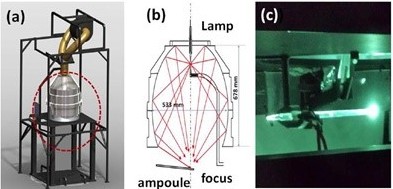
Their ultra-bright lamp-ablation method surmounts the shortcomings and has succeeded in synthesizing few-layer (4-5) graphene in higher yields. It involves a novel optical system (originally invented by BGU Profs. Daniel Feuermann and Jeffrey Gordon) that reconstitutes the immense brightness within the plasma of high-power xenon discharge lamps at a remote reactor, where a transparent tube filled with simple, inexpensive graphite is irradiated.
The process is relatively faster, safer and green — devoid of any toxic substances (just graphite plus concentrated light).
Following this proof of concept, the BGU-UWA team is now planning an experimental program to scale up this initial success toward markedly improving the volume and rate at which few-layer (and eventually single-layer) graphene can be synthesized.
Ben-Gurion University of the Negev
#Graphene #Nanomanufacturing #Energy
IMB-CNM-CSIC is a partner in POLARIS, an EIC Pathfinder Open 2026 project led by ICN2 to develop graphene-based brain implants. Researcher Anton Guimerà leads the institute's contribution.
California Nanotechnologies Corp. has received purchase orders totaling US$147,000 from a Texas-based aerospace company for components used in commercial satellite systems, following about US$170,000 in R&D orders in 2026.
SPECS reports on work at the LMA microscopy lab, where Dr. David Serrate's team used the JT-STM to study graphene nanoribbons on MgO/Ag(001) and the Aarhus 150 to monitor nanostructure growth.
This week in nanotech
$291.1M raised
7 funding rounds · 42 deals tracked
New products
 Ti-WCMBN Nanomaterialia Featured
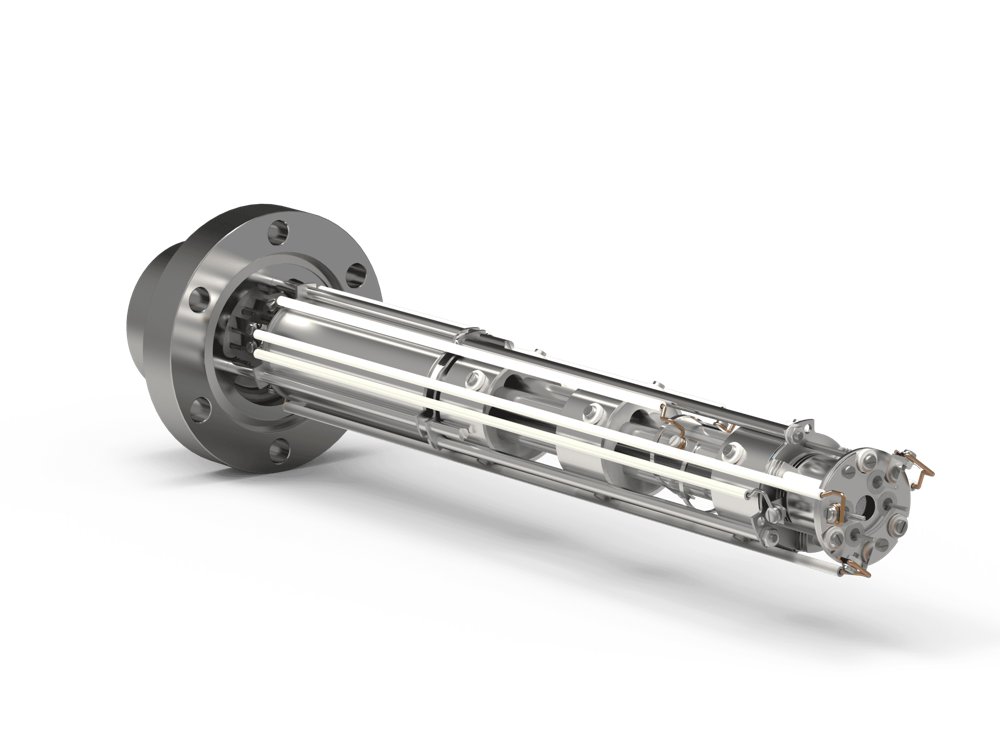 DLS-1 Mass Spectrometer for Fusion Gas AnalysisHiden Analytical Featured
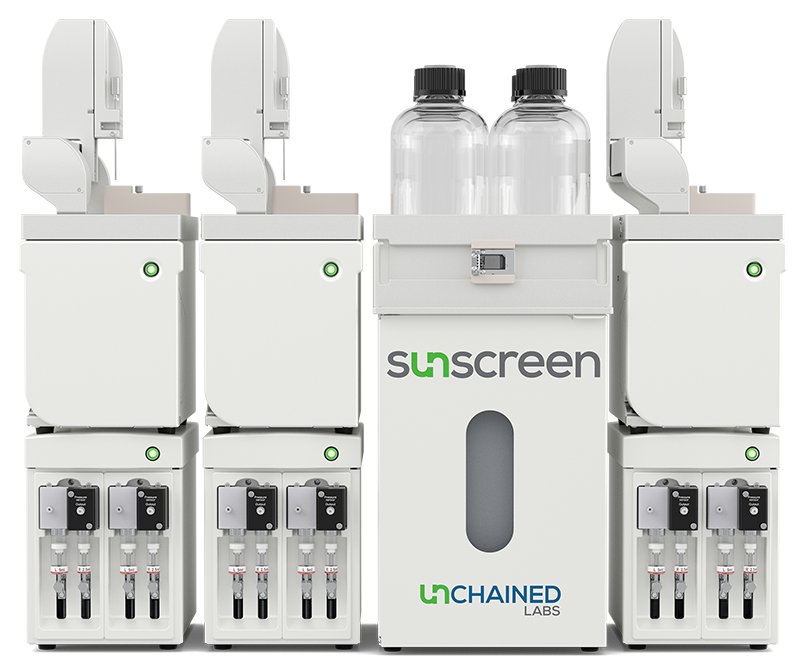 SunscreenUnchained Labs
Market insights
Last 30 days: Quantum Technologies drew the most money: $3.17B.
Money raised per month
Behind the deal
Who led Xanadu Quantum Technologies Limited’s $10M Grant?
See the investors with Insights Pro →