Tokyo University of Science (TUS)
Blood transfusion, if performed promptly, is a potentially life-saving intervention for someone losing a lot of blood. However, blood comes in several types, some of which are incompatible with others. Transfusing an incompatible blood type can severely harm a patient. It is, therefore, critical for medical staff to know a patient's blood type before they perform a transfusion.
There are four major blood types--O, A, B, and AB. These types differ based on the presence or absence of structures called A antigens and B antigens on the surfaces of red blood cells. Blood can be further divided into positive and negative types based on the presence or absence of D antigens on red blood cells. Medical professionals usually tell a patient's blood type with tests involving antibodies against the A and B antigens. When antibodies recognize the corresponding antigens, they bind to them, causing the blood cells to clump together and the blood to coagulate. Thus, specific antigen-antibody combinations tell us what the blood type of a blood sample is.
Yet, while the concept sounds straightforward, the equipment and techniques required are often very specialized. Tests, therefore, are non-portable, have high personnel cost, and can take over half an hour to yield results. This can prove problematic in several types of emergency situations.
Aiming to solve these problems, a team of scientists at Japan's Tokyo University of Science, led by Dr Ken Yamamoto and Dr Masahiro Motosuke, has developed a fully automated chip that can quickly and reliably determine a patient's blood type. In the words of Dr Motosuke, he and his colleagues "have developed a compact and rapid blood-typing chip which also dilutes whole blood automatically."
The chip contains a micro-sized "laboratory" with various compartments through which the blood sample travels in sequence and is processed until results are obtained. To start the process, a user simply inserts a small amount of blood, presses a button, and waits for the result. Inside the chip, the blood is first diluted with a saline solution and air bubbles are introduced to promote mixing. The diluted blood is transported to a homogenizer where further mixing, driven by more intensely moving bubbles, yields a uniform solution. Portions of the homogenized blood solution are introduced into four different detector chambers. Two chambers each contain reagents that can detect either A antigens or B antigens. A third chamber contains reagents that detect D antigens and a fourth chamber contains only saline solution, with no reagent, and serves as a negative control chamber in which the user should not observe any results. Antigen-antibody reaction will cause blood to coagulate, and by looking at which chambers have coagulated blood, the user can tell the blood type and whether the blood is positive or negative.
Further, the user does not require specialized optical equipment to read the results. The design of the detector chambers allows the easy identification of coagulated blood with the naked eye. The device is also highly sensitive and can even detect weak coagulation.
During testing, the research team screened blood samples from 10 donors and obtained accurate results for all 10 samples. The time needed to determine a single sample's blood type was only five minutes.
Reflecting on the potential benefits of his team's invention, Dr Motosuke remarks, "The advancement of simple and quick blood test chip technologies will lead to the simplification of medical care in emergency situations and will greatly reduce costs and the necessary labor on parts of medical staff." Given the highly portable nature of the chip, Professor Motosuke also speculates that it could be used during aerial medical transport and in disaster response settings. This is a chip that has the potential to change the way emergency medical support is given.
Fully-automatic blood-typing chip exploiting bubbles for quick dilution and detection
Ken Yamamoto, Ryosuke Sakurai, Masahiro Motosuke
Biomicrofluidics, 2020; 14 (2): 024111
DOI: 10.1063/5.0006264
Contact information:
Associate Professor, Department of Mechanical Engineering, TUS
mot@rs.tus.ac.jp
Motlab - Micro/nanoscale thermofluidics research group
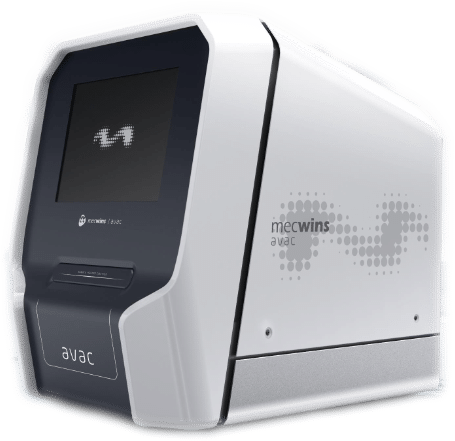
Mecwins has described its AVAC technology, which labels target proteins with plasmonic nanoparticles and counts each one individually by dark-field micro-spectrophotometry. The AVAC Analyzer reaches femtogram-range sensitivity.
Hesperos has received an SBIR Phase II grant (R44AI197758) from NIAID to expand its Malaria-on-a-Chip platform, adding support for viable, replicating parasite strains and predictive PK/PD modeling.
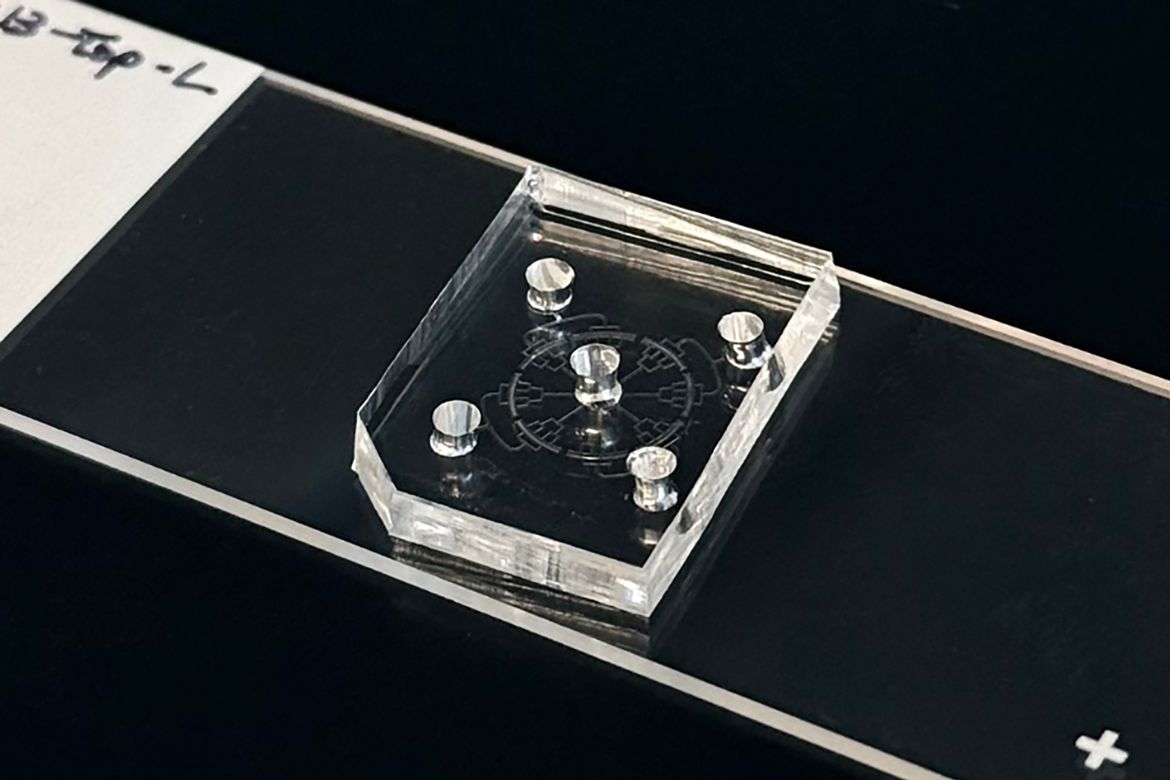
UCLA researchers have shown that briefly squeezing a cell's nucleus for milliseconds can loosen tightly packed DNA and make CRISPR activation far more effective at reprogramming cell identity. After mapping which genomic regions opened, they aimed guide RNAs at those sites, raising the share of mouse skin cells converted to neurons from about 3% to 10%. Adding a priming step that activated Oct4 pushed conversion to roughly 40%.
This week in nanotech
$281.1M raised
6 funding rounds · 36 deals tracked
New products
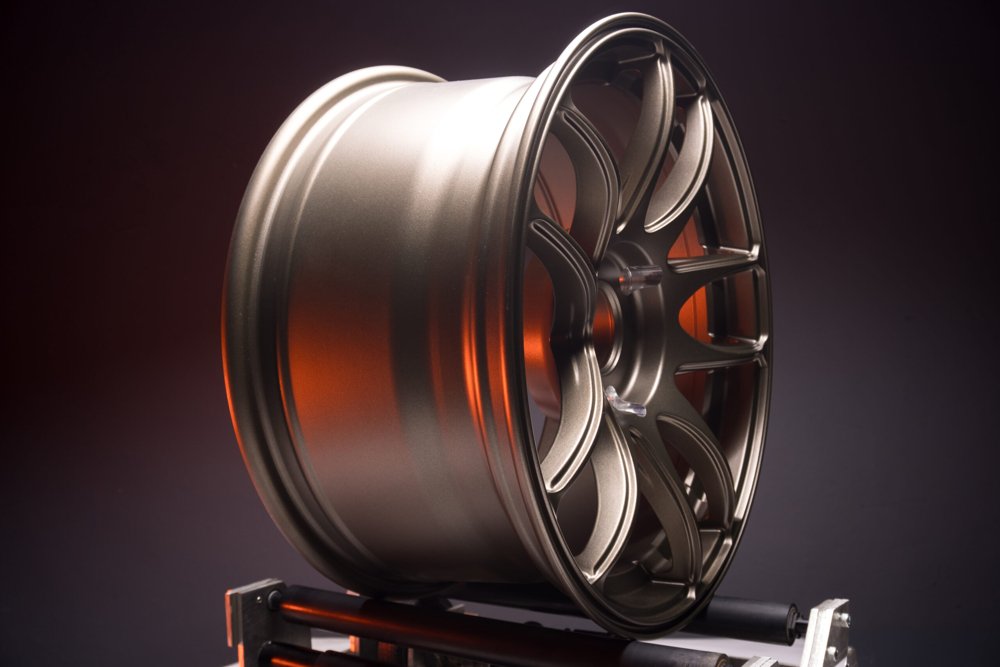 Ti-WCMBN Nanomaterialia Featured
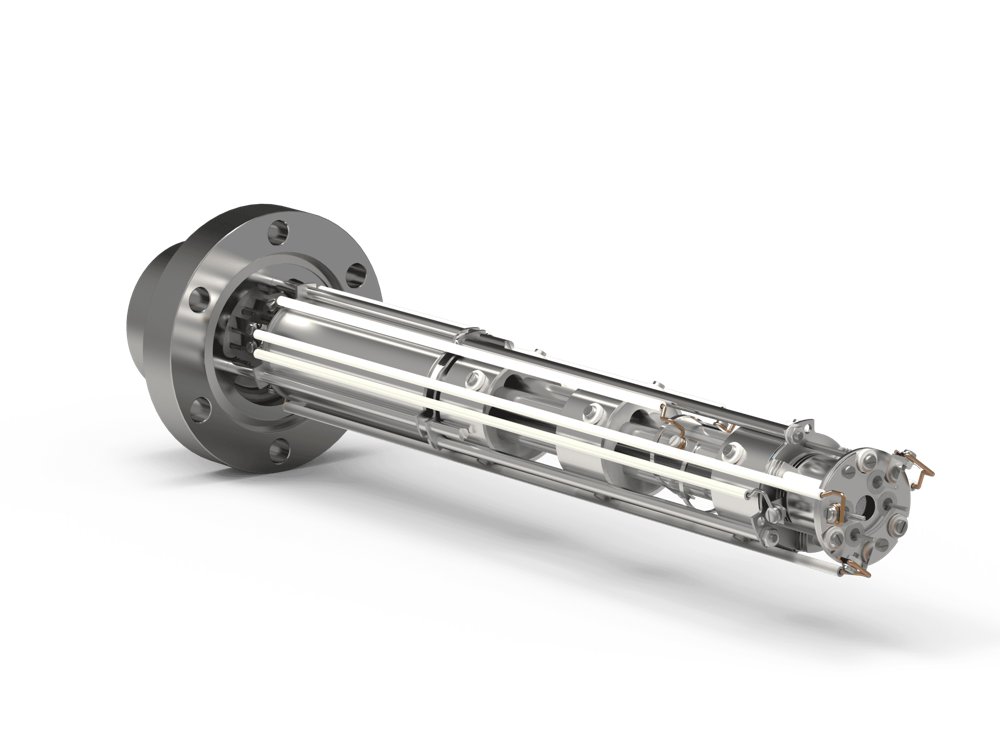 DLS-1 Mass Spectrometer for Fusion Gas AnalysisHiden Analytical Featured
 NanoFlow® S1-20Levidian
Market insights
Last 30 days: Quantum Technologies drew the most money: $3.17B.
Money raised per month
Behind the deal
Who led Institut de Microelectronica de Barcelona (IMB-CNM, CSIC)’s $185.7M Grant?
See the investors with Insights Pro →