University of Southampton
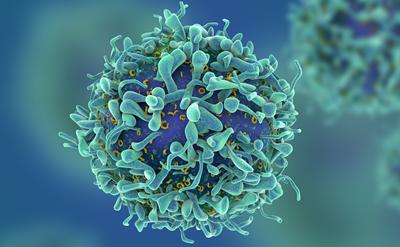
Scientists from the Antibody and Vaccine group at the University of Southampton have discovered a way to transform antibody drugs previously developed to treat autoimmunity into antibodies with powerful anti-cancer activity through a simple molecular "switch."
This work, published in the journal Cancer Cell, focuses on a molecule called CD40 which is present on the surface of immune cells and controls both autoimmunity and cancer. In autoimmunity, CD40 is thought to be over-stimulated, increasing the chance of the immune system attacking healthy tissues; whereas in cancer, CD40 is believed to be under-stimulated, enabling tumour cells to evade the immune system. Targeting of CD40 with antibody drugs is ongoing in therapeutic interventions for both diseases.
Accordingly, antibody drugs have been developed to either activate (agonists) or suppress (antagonists) the CD40 immune pathway. Researchers at the Centre for Cancer Immunology in Southampton, led by Professors Mark Cragg and Martin Glennie now reveal that an antagonist CD40 antibody can be transformed into an agonist by simply modifying the "constant" domain of the antibody. The antagonist-turned agonist "trick" was shown for three different antagonists, being driven by the hinge part of the constant domain that controls the flexibility of the antibody. One of these antibodies, was shown to be a "super"-agonist that could stimulate the immune system and cure cancer more effectively in preclinical models than the best CD40-targeting antibody currently in clinical trial.
"Being able to toggle between an autoimmune drug and a cancer medicine with a simple switch is really exciting." said Dr Xiaojie Yu, first author of the study. "We gained a deeper understanding of the mechanism through which CD40 becomes activated, and eagerly look forward to applying this technology to more drug candidates."
"Our findings build on a history of CD40 research here in Southampton and were surprising and exciting in equal measure," said Professor Mark Cragg, senior author of the study. "Taking an antibody that suppresses the immune system and turning it on its head, to activate the immune system for cancer through a relatively simple process is unprecedented. More than that, the same approach could be used for other immune targets and we look forward to seeing testing this in the near future."
Isotype switching converts anti-CD40 antagonism to agonism to elicit potent antitumor activity
Xiaojie Yu, H.T. Claude Chan, Hayden Fisher, Christine A. Penfold, Jinny Kim, Tatyana Inzhelevskaya, C. Ian Mockridge, Ruth R. French, Patrick J. Duriez, Leon R. Douglas, Vikki English, J. Sjef Verbeek, Ann L. White, Ivo Tews, Martin J. Glennie, Mark S. Cragg
Cancer Cell (2020)
DOI: 10.1016/j.ccell.2020.04.013
Contact information:
Southampton Professor of Experimental Cancer Research
msc@soton.ac.uk
Southampton Professor of Immunochemistry
M.J.Glennie@soton.ac.uk
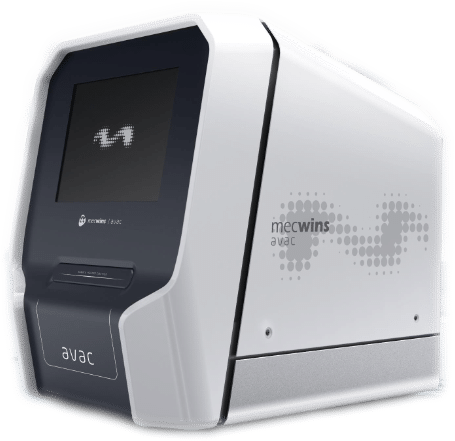
Mecwins has described its AVAC technology, which labels target proteins with plasmonic nanoparticles and counts each one individually by dark-field micro-spectrophotometry. The AVAC Analyzer reaches femtogram-range sensitivity.
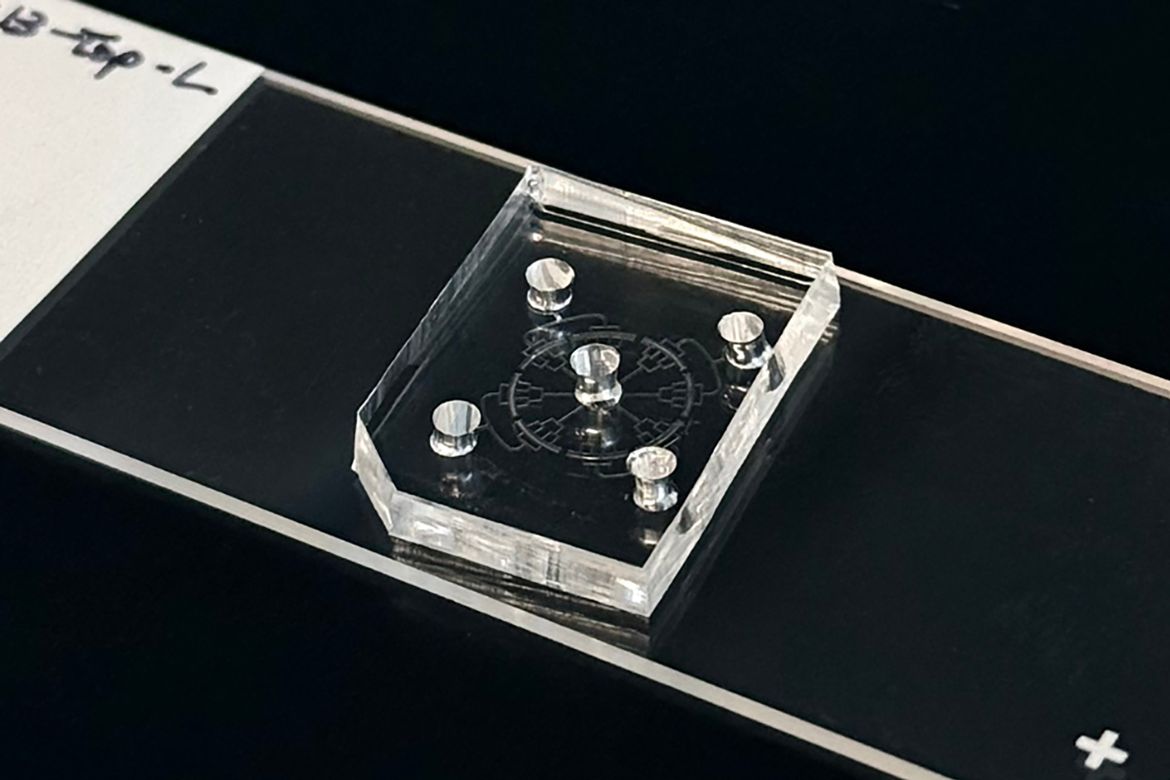
Hesperos has received an SBIR Phase II grant (R44AI197758) from NIAID to expand its Malaria-on-a-Chip platform, adding support for viable, replicating parasite strains and predictive PK/PD modeling.
UCLA researchers have shown that briefly squeezing a cell's nucleus for milliseconds can loosen tightly packed DNA and make CRISPR activation far more effective at reprogramming cell identity. After mapping which genomic regions opened, they aimed guide RNAs at those sites, raising the share of mouse skin cells converted to neurons from about 3% to 10%. Adding a priming step that activated Oct4 pushed conversion to roughly 40%.
This week in nanotech
$108.5M raised
7 funding rounds · 39 deals tracked
New products
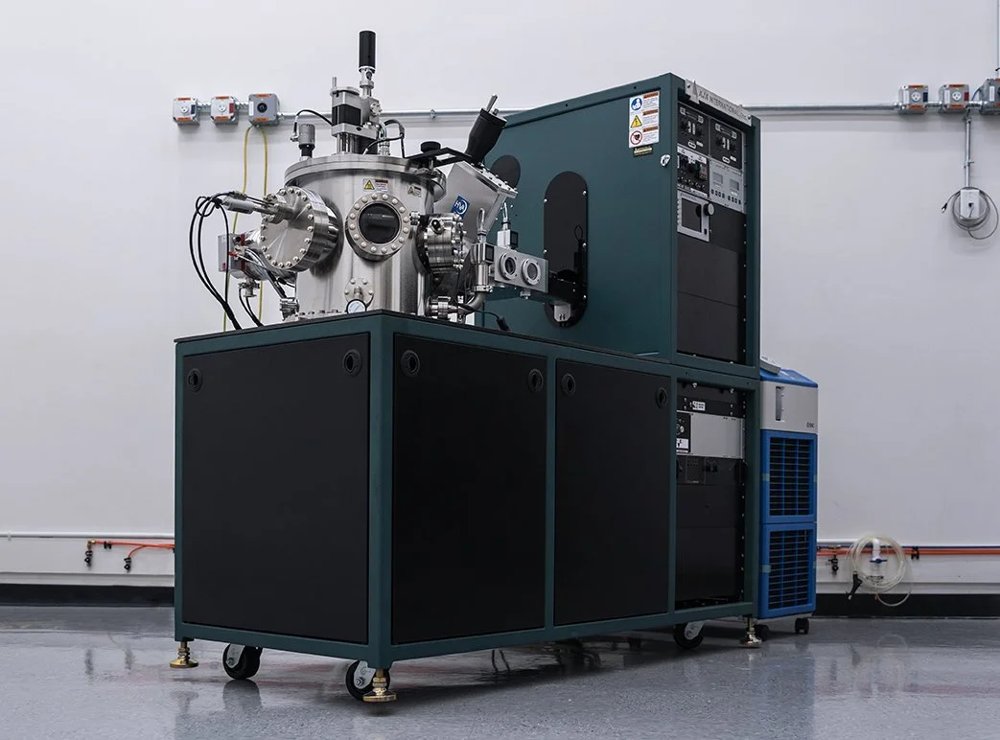 Orion Sputtering Deposition SystemsAJA International Featured
 Nion-compatible In Situ STEM Holders for Electrical BiasingHummingbird Scientific Featured
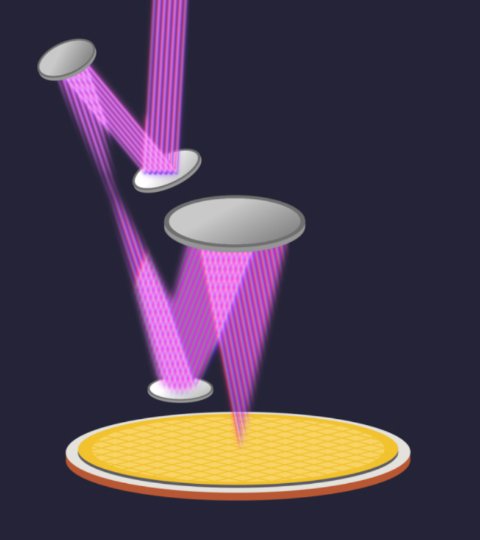 Aether®Lam Research
Market insights
Last 30 days: Quantum Technologies drew the most money: $3.17B.
Money raised per month