Rutgers University
A Rutgers-led team has created better biosensor technology that may help lead to safe stem cell therapies for treating Alzheimer's and Parkinson's diseases and other neurological disorders.
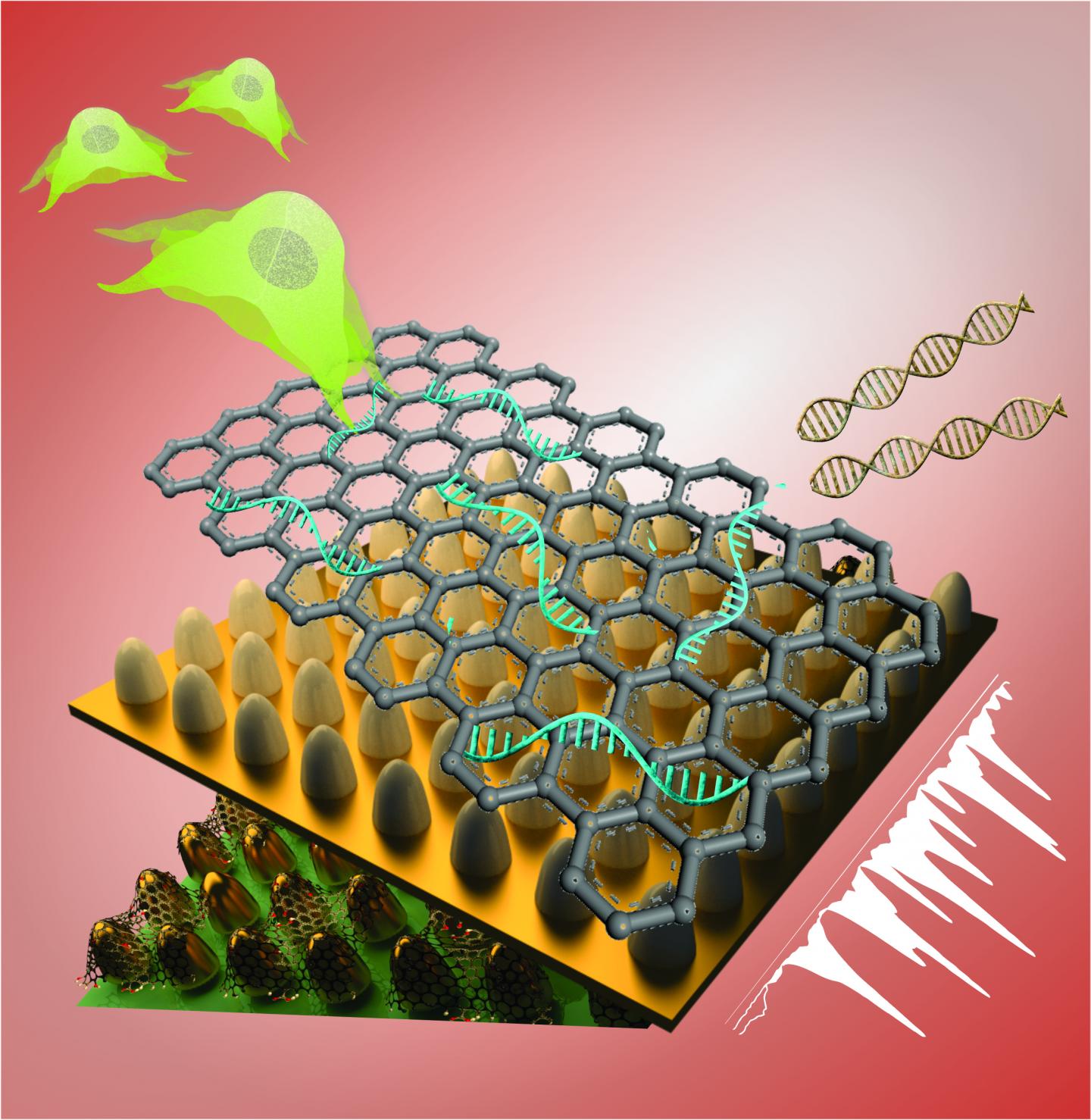
The technology, which features a unique graphene and gold-based platform and high-tech imaging, monitors the fate of stem cells by detecting genetic material (RNA) involved in turning such cells into brain cells (neurons), according to a study in the journal Nano Letters.
Stem cells can become many different types of cells. As a result, stem cell therapy shows promise for regenerative treatment of neurological disorders such as Alzheimer's, Parkinson's, stroke and spinal cord injury, with diseased cells needing replacement or repair. But characterizing stem cells and controlling their fate must be resolved before they could be used in treatments. The formation of tumors and uncontrolled transformation of stem cells remain key barriers.
"A critical challenge is ensuring high sensitivity and accuracy in detecting biomarkers - indicators such as modified genes or proteins - within the complex stem cell microenvironment," said senior author KiBum Lee, a professor in the Department of Chemistry and Chemical Biology in the School of Arts and Sciences at Rutgers University-New Brunswick. "Our technology, which took four years to develop, has demonstrated great potential for analyzing a variety of interactions in stem cells."
The team's unique biosensing platform consists of an array of ultrathin graphene layers and gold nanostructures. The platform, combined with high-tech imaging (Raman spectroscopy), detects genes and characterizes different kinds of stem cells with greater reliability, selectivity and sensitivity than today's biosensors.
The team believes the technology can benefit a range of applications. By developing simple, rapid and accurate sensing platforms, Lee's group aims to facilitate treatment of neurological disorders through stem cell therapy.
Stem cells may become a renewable source of replacement cells and tissues to treat diseases including macular degeneration, spinal cord injury, stroke, burns, heart disease, diabetes, osteoarthritis and rheumatoid arthritis, according to the National Institutes of Health.
Dual-Enhanced Raman Scattering-Based Characterization of Stem Cell Differentiation Using Graphene-Plasmonic Hybrid Nanoarray
Letao Yang, Jin-Ho Lee, Christopher Rathnam, Yannan Hou, Jeong-Woo Choi, Ki-Bum Lee
Nano Letters (2019)
DOI: 10.1021/acs.nanolett.9b03402
Contact information:
KiBum Lee
Professor in the Department of Chemistry and Chemical Biology at Rutgers
kblee@chem.rutgers.edu
Phone: (848) 445-2081
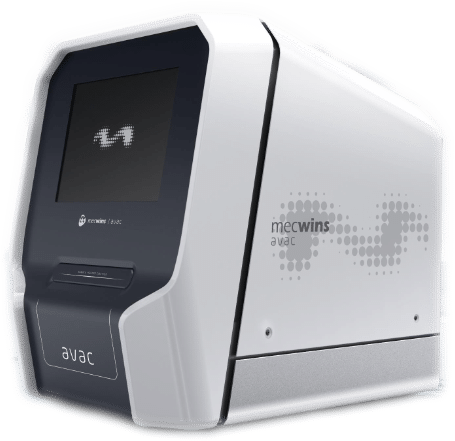
Mecwins has described its AVAC technology, which labels target proteins with plasmonic nanoparticles and counts each one individually by dark-field micro-spectrophotometry. The AVAC Analyzer reaches femtogram-range sensitivity.
Hesperos has received an SBIR Phase II grant (R44AI197758) from NIAID to expand its Malaria-on-a-Chip platform, adding support for viable, replicating parasite strains and predictive PK/PD modeling.
UCLA researchers have shown that briefly squeezing a cell's nucleus for milliseconds can loosen tightly packed DNA and make CRISPR activation far more effective at reprogramming cell identity. After mapping which genomic regions opened, they aimed guide RNAs at those sites, raising the share of mouse skin cells converted to neurons from about 3% to 10%. Adding a priming step that activated Oct4 pushed conversion to roughly 40%.
This week in nanotech
$281.1M raised
6 funding rounds · 36 deals tracked
New products
 Ti-WCMBN Nanomaterialia Featured
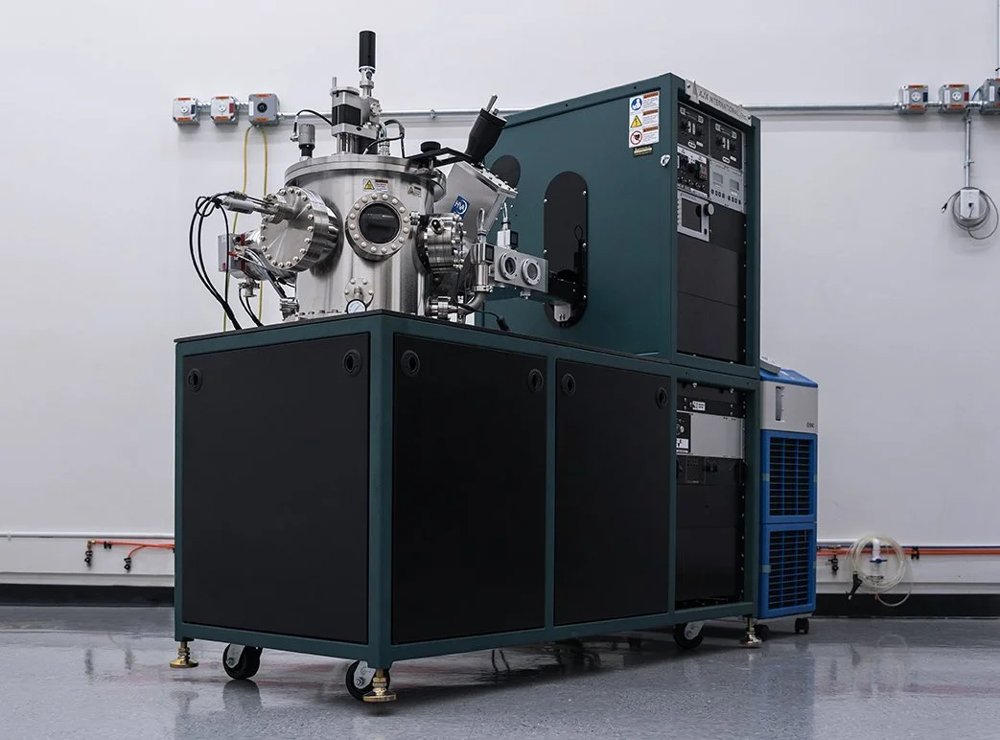 Orion Sputtering Deposition SystemsAJA International Featured
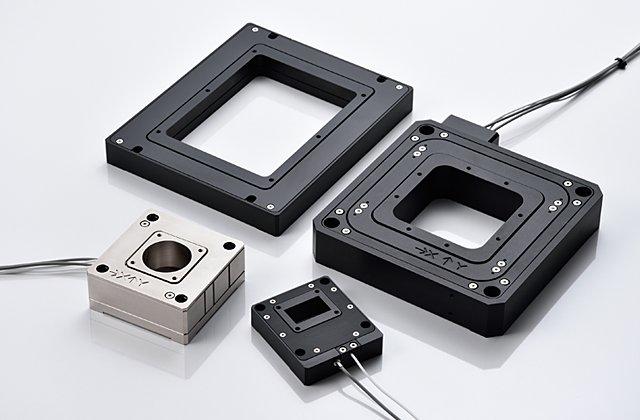 PKVH / PKVL ZAxis With an opening modelTHK PRECISION CO.,LTD.
Market insights
Last 30 days: Quantum Technologies drew the most money: $3.17B.
Money raised per month
Behind the deal
Who invested in Vertical Semiconductor’s $73M Grant?
See the investors with Insights Pro →