The University of Texas at Austin (UT Austin)
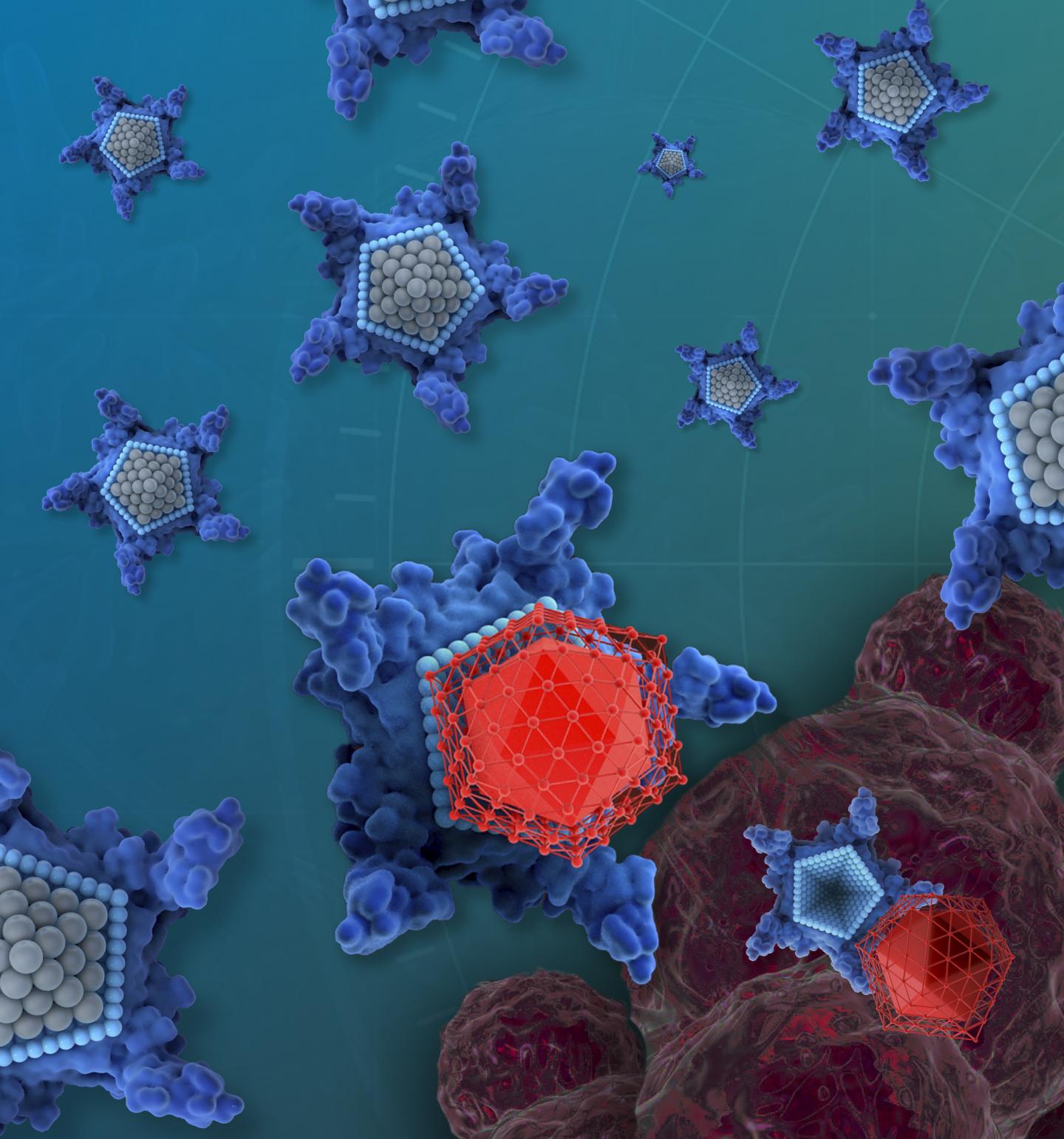
A drug candidate has been found in preclinical trials to stop tumor growth entirely, deliver more cancer-busting power than many commonly used chemotherapy drugs and do so with fewer toxic side effects and more ability to overcome resistance.
Researchers from The University of Texas at Austin, The University of Texas MD Anderson Cancer Center and Austin-based biotech firm OncoTEX report their results this week in the journal Proceedings of the National Academy of Sciences.
"As a cancer researcher and cancer survivor, I'm excited by the fact that our compound shows promise for platinum resistant ovarian cancer and platinum resistant colon cancer, both of which have poor prognoses," said Jonathan Sessler, professor and R.P. Doherty, Jr. - Welch Regents Chair in Chemistry at UT Austin and co-principal investigator on the project.
The drug candidate, called OxaliTEX, is made of two parts: a star-shaped molecule called texaphyrin that acts like a kind of delivery truck, and a modified version of a platinum drug that acts like a toxic package for cancer cells.
Some of the most commonly used chemotherapy drugs -- such as cisplatin, carboplatin and oxaliplatin -- can cause toxic side effects such as kidney damage. They also often lose effectiveness as cancerous cells develop resistance. But the texaphyrin molecule is designed to be more easily absorbed by cancerous cells than healthy human cells, reducing the drug's side effects. The new platinum drug has modifications that not only make it less toxic to healthy cells, further reducing side effects, but also that make it harder for cancerous cells to develop resistance.
The drug was developed by four inventors: Sessler; Jonathan Arambula, now vice president for research at OncoTEX; Grégory Thiabaud, a former UT Austin postdoctoral researcher, now a research associate at the Massachusetts Institute of Technology; and Zahid H. Siddik, a professor of pharmacology at MD Anderson.
The researchers compared the relative effectiveness of the new drug candidate OxaliTEX, and carboplatin, a platinum drug approved by the Food and Drug Administration commonly used to treat ovarian cancer, on mice that were carrying tumors. The mice that received carboplatin did not have a reduction in tumor growth.
Meanwhile, mice treated with OxaliTEX had 100% inhibition, meaning the tumors completely stopped growing. Two to three weeks after the drug treatment ended, tumors tended to begin growing again.
"We hope that with optimized dosing, we might be able to wipe out these tumors entirely," Arambula said.
The researchers also compared relative toxic side effects in mice between the new drug candidate OxaliTEX and oxaliplatin, an FDA-approved platinum drug used to treat colorectal and other cancers. They found OxaliTEX had much lower toxicity.
"We created something that's better tolerated than currently approved drugs," Arambula said. "That's the big message."
Next, the researchers plan to conduct more extensive toxicology studies and, assuming those go well, hope to start a Phase 1 human clinical trial within two years.
Oxaliplatin Pt(IV) prodrugs conjugated to gadolinium-texaphyrin as potential antitumor agents
Grégory Thiabaud, Guangan He, Sajal Sen, Kathryn A. Shelton, Wallace B. Baze, Luke Segura, Julie Alaniz, Ruben Munoz Macias, Greg Lyness, Alan B. Watts, Hyun Min Kim, Hyunseung Lee, Mi Young Cho, View ORCID ProfileKwan Soo Hong, Rick Finch, Zahid H. Siddik, Jonathan F. Arambula, and Jonathan L. Sessler
PNAS (2020)
Contact information:
Professor of Chemistry at UT Austin
sessler@cm.utexas.edu
Phone: 512-471-5009
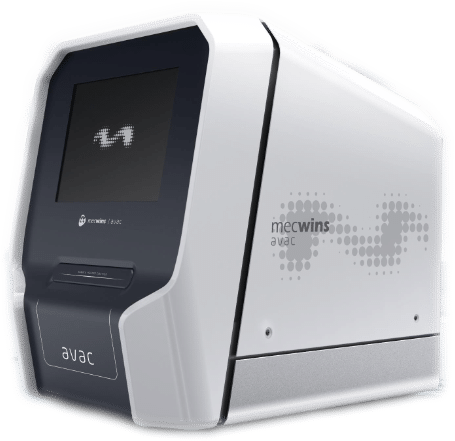
Mecwins has described its AVAC technology, which labels target proteins with plasmonic nanoparticles and counts each one individually by dark-field micro-spectrophotometry. The AVAC Analyzer reaches femtogram-range sensitivity.
Hesperos has received an SBIR Phase II grant (R44AI197758) from NIAID to expand its Malaria-on-a-Chip platform, adding support for viable, replicating parasite strains and predictive PK/PD modeling.
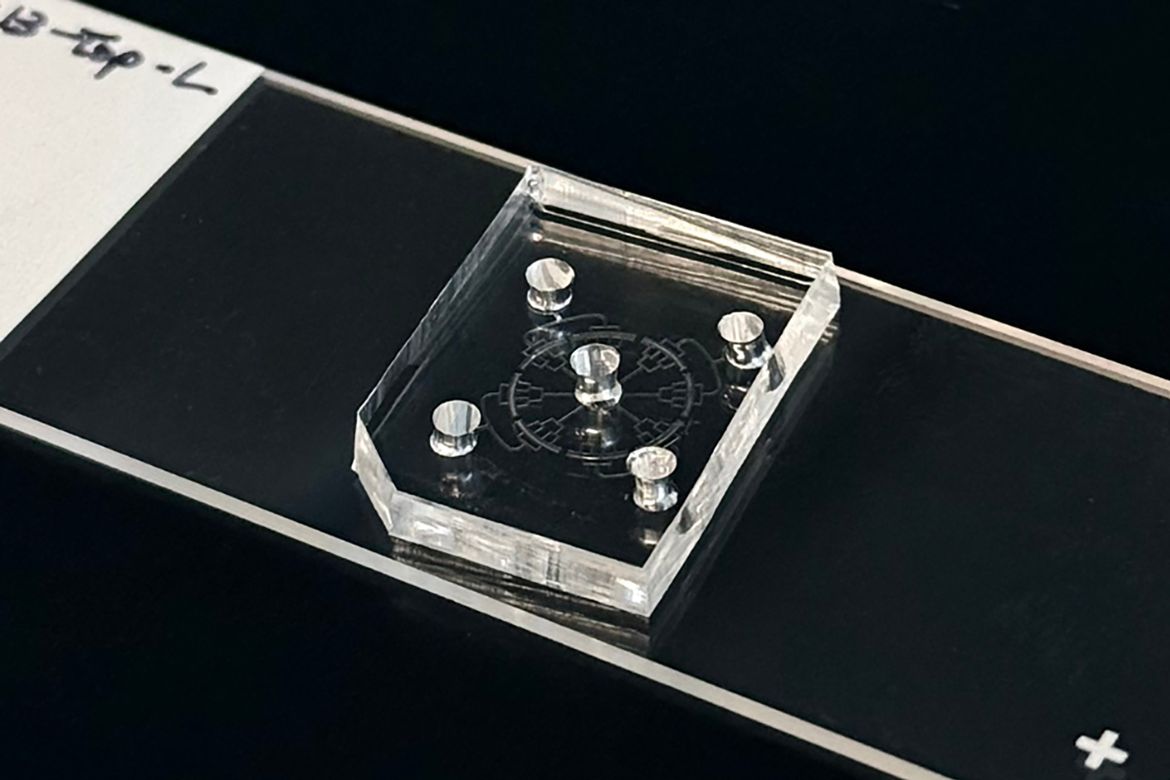
UCLA researchers have shown that briefly squeezing a cell's nucleus for milliseconds can loosen tightly packed DNA and make CRISPR activation far more effective at reprogramming cell identity. After mapping which genomic regions opened, they aimed guide RNAs at those sites, raising the share of mouse skin cells converted to neurons from about 3% to 10%. Adding a priming step that activated Oct4 pushed conversion to roughly 40%.
This week in nanotech
$108.5M raised
7 funding rounds · 39 deals tracked
New products
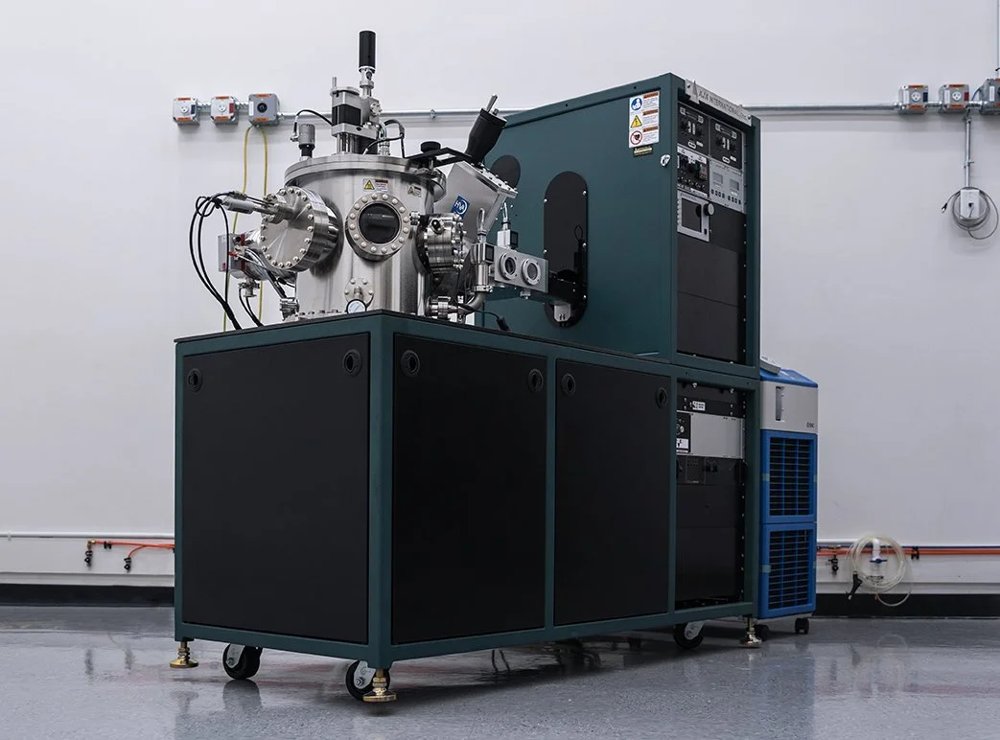 Orion Sputtering Deposition SystemsAJA International Featured
 Nion-compatible In Situ STEM Holders for Electrical BiasingHummingbird Scientific Featured
 Discover Mapping SuiteOnto Innovation
Market insights
Last 30 days: Quantum Technologies drew the most money: $3.17B.
Money raised per month
Behind the deal
Who invested in Vertical Semiconductor’s $73M Grant?
See the investors with Insights Pro →