Daegu Gyeongbuk Institute of Science and Technology (DGIST)
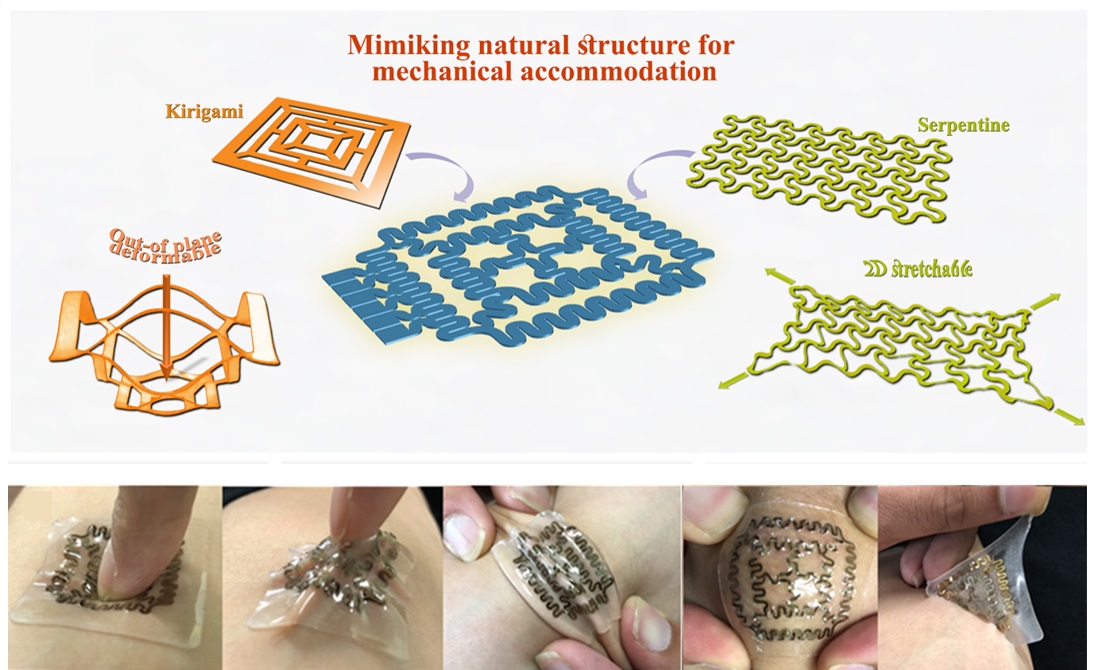
DGIST announced that Professor Hyuk-Jun Kwon in the Department of Information and Communication Engineering developed a 'patch-based health diagnosis sensor system' that is easily attached to skin with Professor Sunkook Kim's research team at Sungkyunkwan University. This sensor is attached to skin as if attaching band-aid and collects various health information in real-time by monitoring biosignals and certain movements, drawing huge expectations for diverse applications.
Research on wearable healthcare devices has been actively conducted with the well-being era. However, product developments have faced many difficulties due to barriers in collecting biometric information such as body movements, sweats, and secretions. Professor Kwon's team focused on developing sensors that can collect stable biometric data from various situations including intense workouts and emergencies.
As a result, the research team has successfully developed precise structures for daily life using laser and increased the stability of sensor that collects biometric information. Inspired by the crooked movements of snakes and spider webs, Professor Kwon's team created a stable structure for sensors to operate without damage despite huge body movements. Moreover, the team greatly improved the vertical elasticity of the sensors by applying the zigzag paper craft structure, so that sensors endure intense body movements.
The patch-based sensor developed this time was made of a biometric-friendly waterproof material, thus improving the difficulties in acquiring accurate information due to the skin-attachment problem. In addition, the sensor can also be connected to smartphone using Bluetooth, so biometric data can be saved to a cloud server 24/7. This will enable making timely response to various emergencies such as infants, young children, and elders living alone who are need care as well as soldiers and firefighters who are constantly exposed to dangerous environments.
Professor Kwon said that "The key for this sensor development was securing structural stability and skin adhesion that can endure very intensive physical movements. The sensor is very useful because as long as it is attached to skin like a band-aid, it can collect various biodata information. It is expected to be applied to observe and monitor animal and livestock diseases as well in the future."
All-day Mobile Healthcare Monitoring System Based on Heterogeneous Stretchable Sensors for Medical Emergency
Sungho Lee, Srinivas Gandla, Muhammad Naqi, Uikyun Jung, Sunju Kang, Hyoung Soon Youn, Do Gi Pyun, Yoomi Lee, Hyuk-Jun Kwon, Heejeong Kim, Min Goo Lee, Sunkook Kim
IEEE Transactions on Industrial Electronics (2019)
Contact information:
DGIST Assistant Professor at Department of Information and Communication Engineering
hj.kwon@dgist.ac.kr
Phone: +82-53-785-6326
Nicoya Lifesciences reported that BALANCE project partners demonstrated autonomous bioreactor control and integrated its Alto Digital SPR platform for automated antibody titer measurement from crude bioreactor samples.
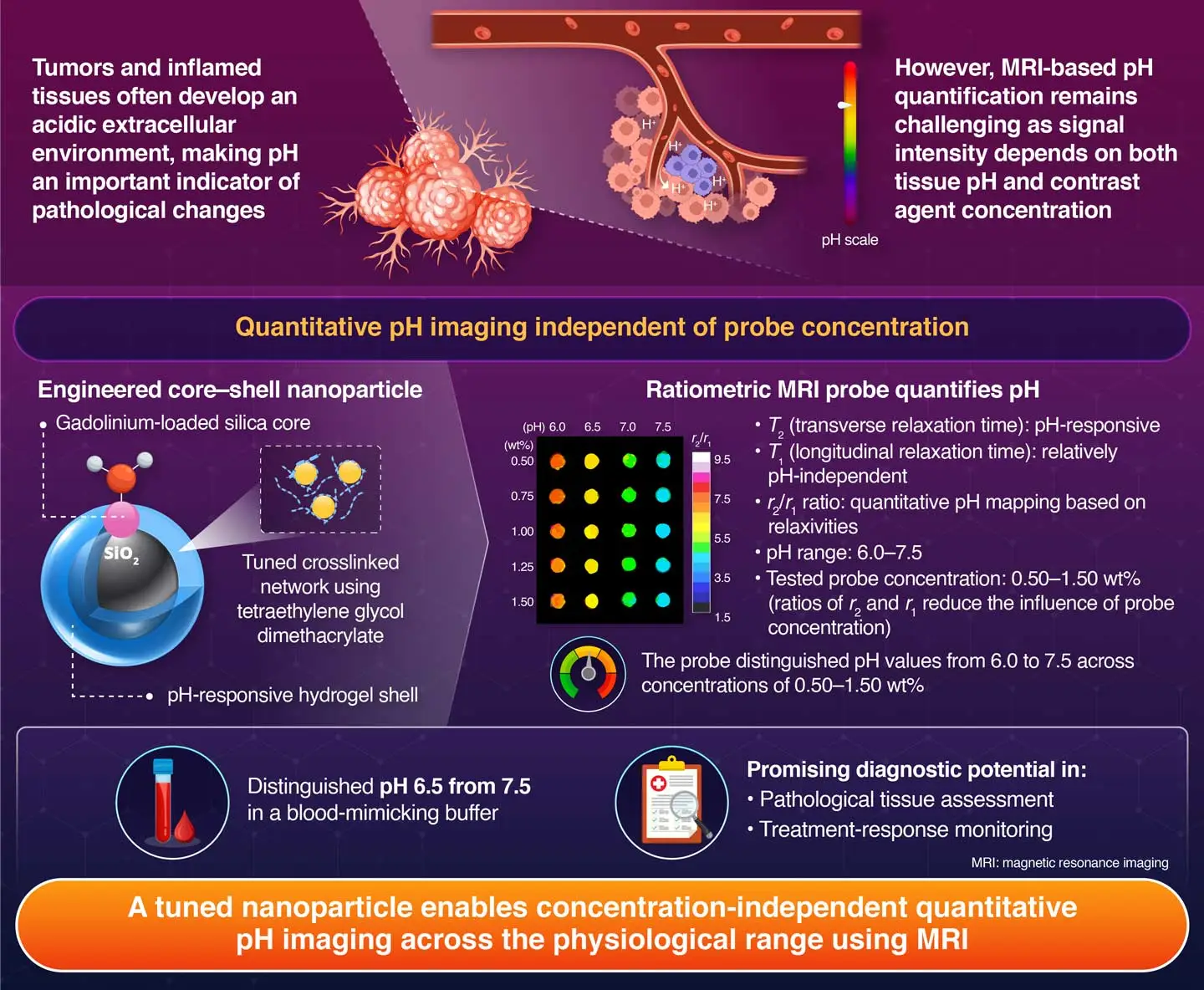
Researchers have built a core-shell nanoparticle MRI contrast agent that reports tissue pH independently of probe concentration. A gadolinium-loaded silica core sits inside a crosslinked polymer hydrogel shell tuned with tetraethylene glycol dimethacrylate; as acidity rises the shell shrinks, shifting transverse relaxivity while longitudinal relaxivity holds steady. Ratiometric imaging of the r2/r1 ratio resolved pH 6.0 to 7.5 across agent concentrations and in serum.
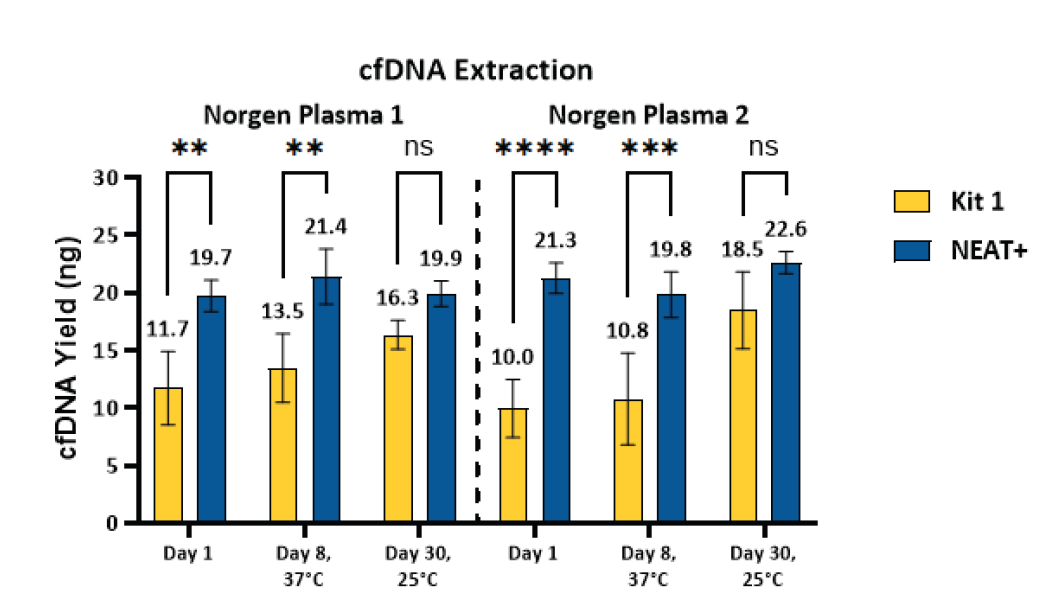
Ceres Nanosciences has published Application Note #108 reporting that its NEAT cfDNA Extraction Kit recovered an average of 60% more cfDNA than a column-based kit from preserved plasma samples.
This week in nanotech
$18.9M raised
4 funding rounds · 31 deals tracked
New products
 Nion-compatible In Situ STEM Holders for Electrical BiasingHummingbird Scientific Featured
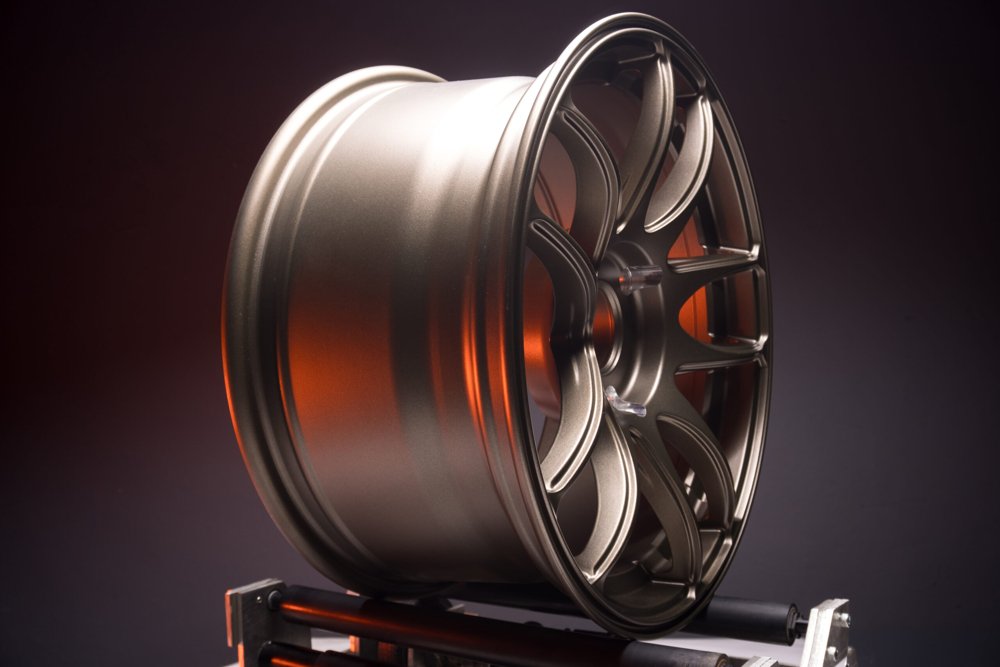 Ti-WCMBN Nanomaterialia Featured
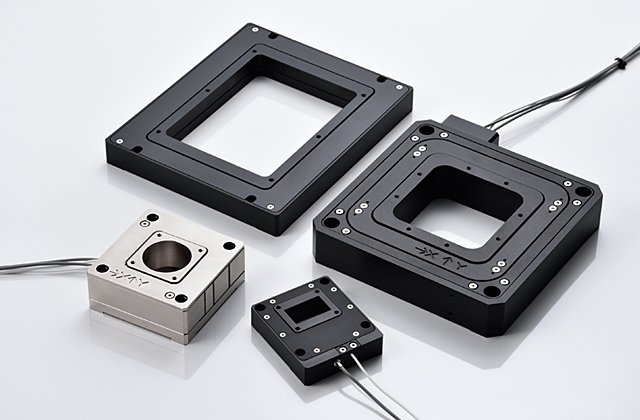 PKVH / PKVL ZAxis With an opening modelTHK PRECISION CO.,LTD.
Market insights
Last 30 days: Semiconductors & Electronics was the busiest vertical: 52 of 170 events (31%).
Money raised per month