Kyoto University

Researchers at Kyoto University's Institute for Integrated Cell-Material Sciences (iCeMS) have developed a device that moves fluids over corneal cells similarly to the movement of tears over a blinking eye. The scientists hope their findings, reported in the journal Lab on a Chip, will help improve ophthalmic drug development and testing, and advance understanding of how blinking affects the corneal surface.
The cornea is the transparent disc that covers the central surface of the eye. It acts as a protective barrier against dust, germs, and other potentially damaging objects.
One way scientists test ophthalmic drugs is to administer them into rabbit's eyes. But rabbits blink significantly less than humans, so drugs have more of a chance to permeate the rabbit's cornea and enter into the eye. Alternatively, scientists use tiny wells containing human corneal cells. But here also, the cells aren't exposed to the normal environment of a living human eye.
Kyoto University pharmaceutical scientist Rodi Abdalkader and micro-engineer Ken-ichiro Kamei collaborated to develop a device that overcomes these issues. They 3D-printed a device that contains four upper and four lower channels, separated by a clear polyester porous membrane. Corneal cells are incubated in each upper channel on top of the membrane. After seven days, they form a barrier of cells that separates the upper and lower channels. Fluid is then moved through the device to emulate the pressure exerted on one side of the cornea by a blinking eyelid and moving tears, and on the other side by the fluid of the inner eye.
Interestingly, they found that this movement changed the shape of the cells and increased the production of filaments, which are known for keeping corneal cells flexible and elastic.
"It was really interesting to find that an eye-blinking-like stimulus has a direct biological impact on these cells," says Abdalkader. "We blink frequently and unconsciously all the time. With each blink, a shear stress is applied on the corneal barrier that causes the cornea counter-defence system to secrete fibrous filaments, like keratins, to overcome the effects of the stress."
Not only does the device emulate human blinking while using human cells, but it also allows testing four different samples under similar conditions at the same time.
"We believe this platform will pave the way for improved ocular drug development, and further investigations into the effects of the shear stress caused by eye blinking on the eye's surface," says Abdalkader.
Multi-corneal barrier-on-a-chip to recapitulate eye blinking shear stress forces
Rodi Abdalkadera and Ken-ichiro Kamei
Lab on a Chip (2020)
DOI: 10.1039/C9LC01256G
Contact information:
Rodi Abdalkader
Kyoto Assistant Professor
abdalkader.rodiadeeb.3z@kyoto-u.ac.jp
Phone: +81-75-753-9767
Ken-ichiro Kamei
Kyoto Associate Professor / Principle Investigator
kamei-g@icems.kyoto-u.ac.jp
Phone: +81-75-753-9774
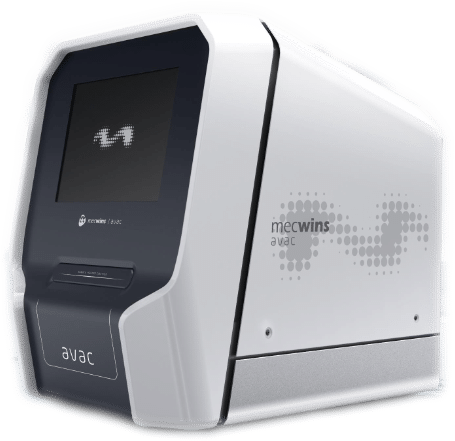
Mecwins has described its AVAC technology, which labels target proteins with plasmonic nanoparticles and counts each one individually by dark-field micro-spectrophotometry. The AVAC Analyzer reaches femtogram-range sensitivity.
Hesperos has received an SBIR Phase II grant (R44AI197758) from NIAID to expand its Malaria-on-a-Chip platform, adding support for viable, replicating parasite strains and predictive PK/PD modeling.
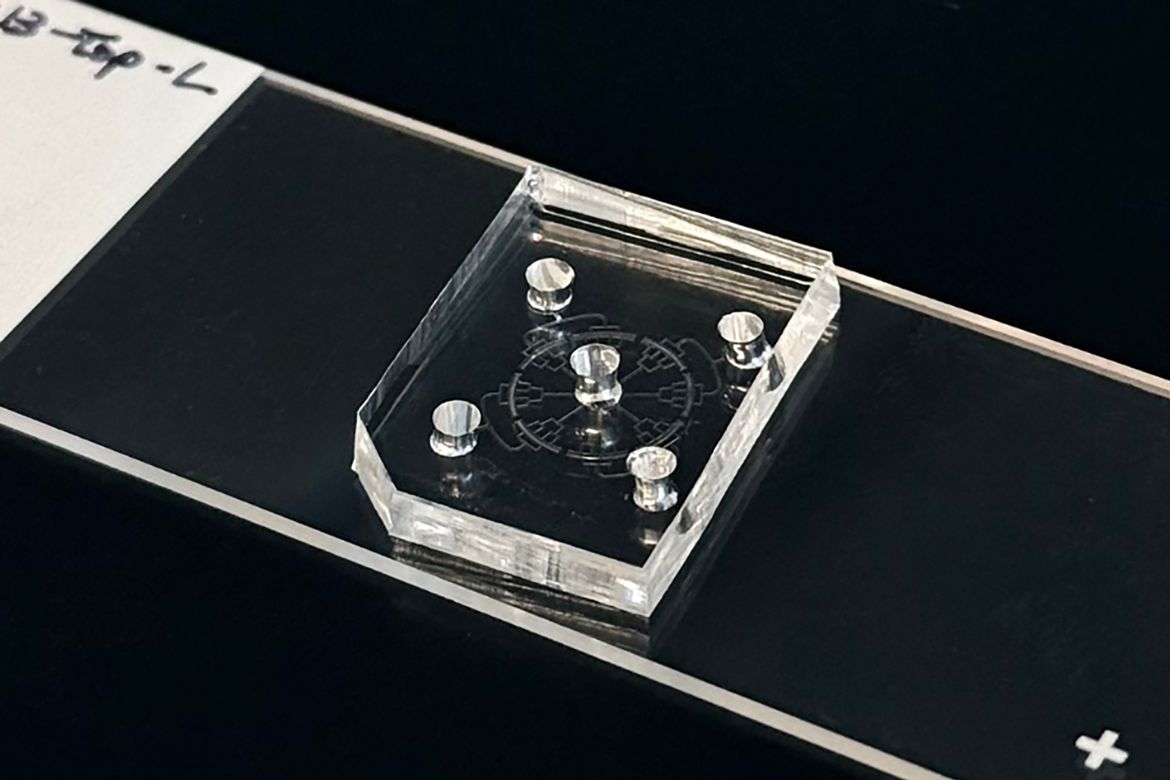
UCLA researchers have shown that briefly squeezing a cell's nucleus for milliseconds can loosen tightly packed DNA and make CRISPR activation far more effective at reprogramming cell identity. After mapping which genomic regions opened, they aimed guide RNAs at those sites, raising the share of mouse skin cells converted to neurons from about 3% to 10%. Adding a priming step that activated Oct4 pushed conversion to roughly 40%.
This week in nanotech
$108.5M raised
7 funding rounds · 39 deals tracked
New products
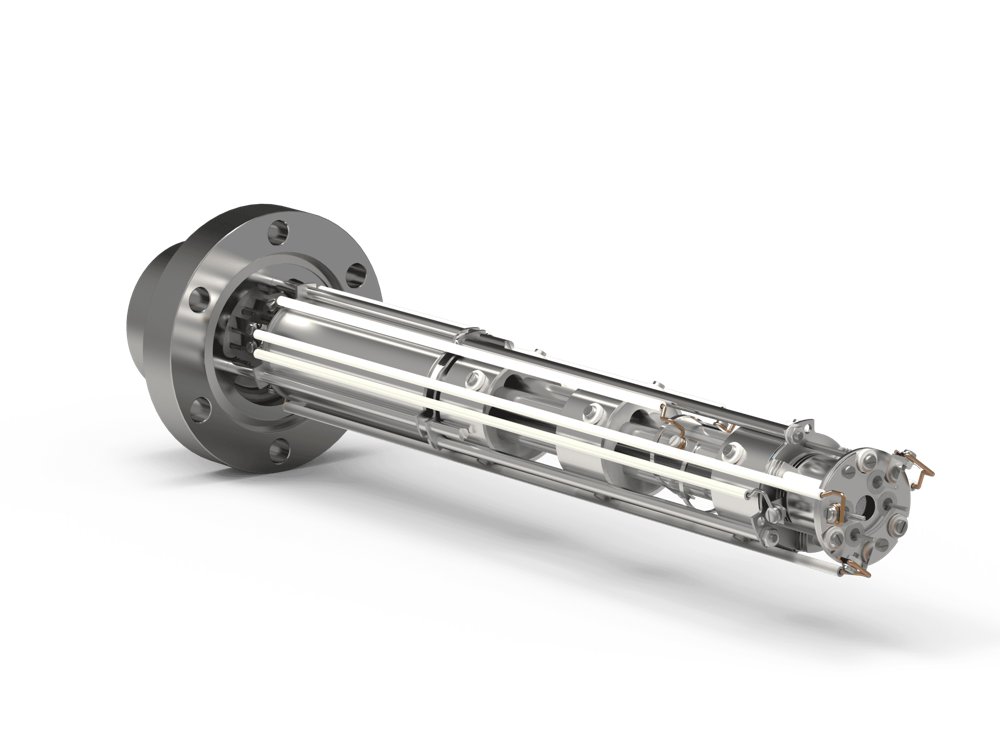 DLS-1 Mass Spectrometer for Fusion Gas AnalysisHiden Analytical Featured
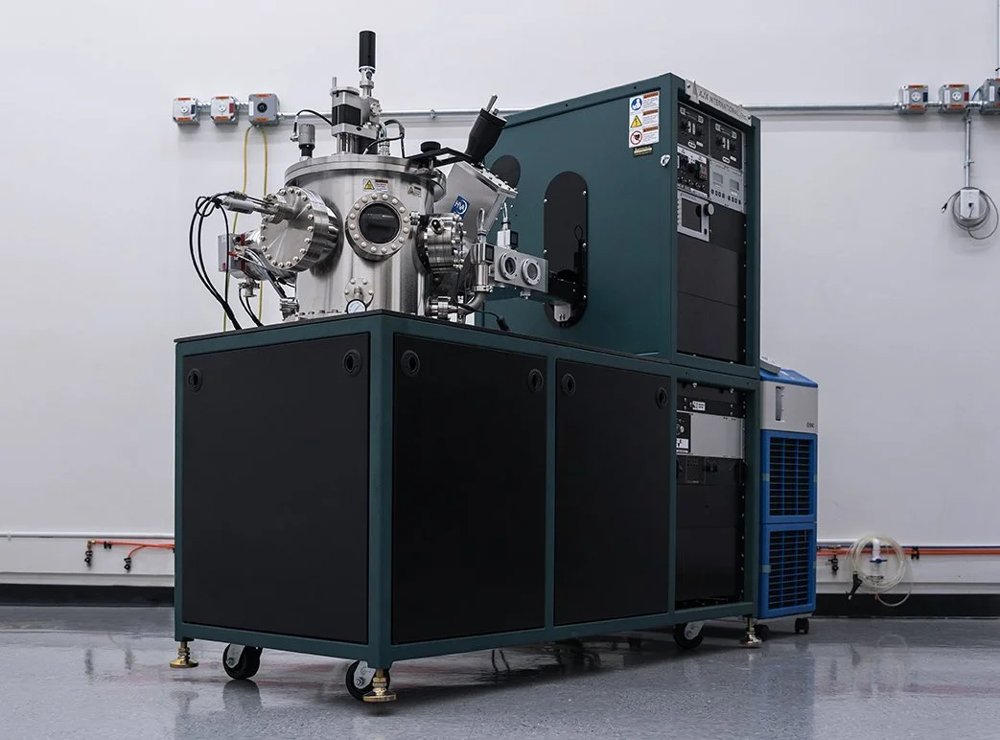 Orion Sputtering Deposition SystemsAJA International Featured
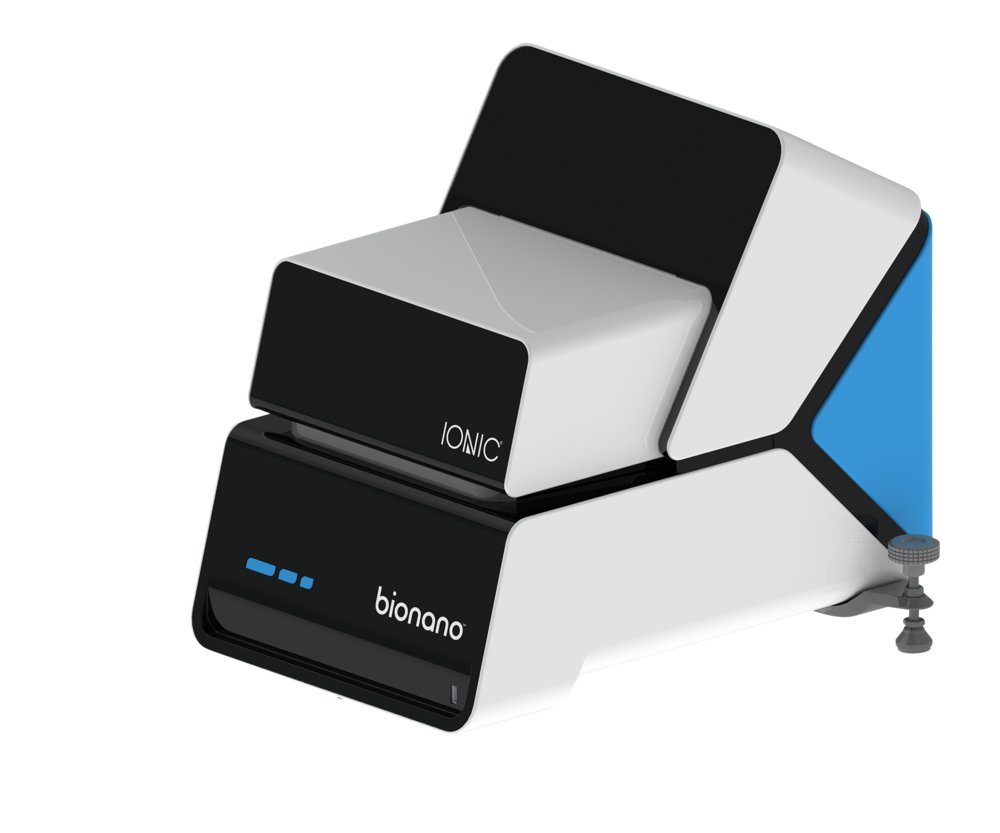 Ionic® Purification SystemBionano Genomics, Inc.
Market insights
Last 30 days: Quantum Technologies drew the most money: $3.17B.
Money raised per month