Japan Advanced Institute of Science and Technology (JAIST)
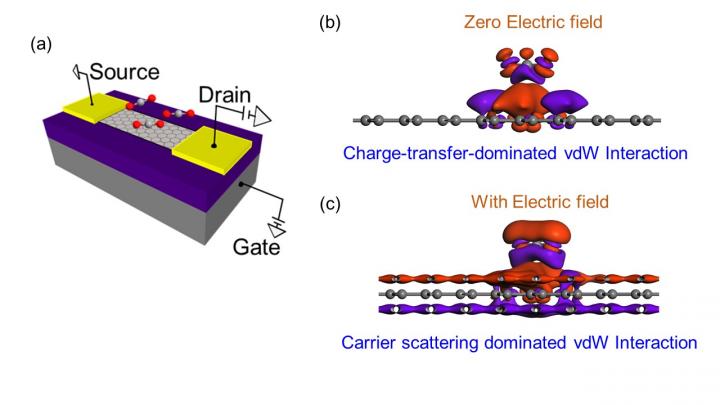
Monolayer graphene, an atomic-layer thick sheet of carbon has found immense applications in diverse fields including chemical sensors, detecting single molecule adsorption events electronically. Therefore, monitoring physisorbed molecule induced changes of the electrical response of graphene has become ubiquitous in graphene based sensors.
Electric field tuning of the physisorbed molecule-graphene interaction results in enhanced gas sensing due to unique electric field dependent charge-transfer between the adsorbed gas and graphene. Molecular identification in graphene sensors was predicted based on this unique electrically tunable charge-transfer, which is a signature for different adsorbed molecules. Nevertheless, to achieve molecular identification functionality in graphene sensors, an understanding of the gas adsorption/desorption events and retention of the graphene-gas molecule interaction after turning off the electric field is desired.
Until now, the graphene-gas molecule bonding interactions were considered randomized by ambience thermal energy after the electric field is turned off, which is not surprising since these interactions are van der Waals (vdW) bonding and so inherently weak. Nevertheless, this assumed thermal randomization of the graphene-gas molecule vdW bonding was unverified experimentally and a major drawback towards electrically tunable charge-transfer based molecular identification in graphene gas sensors.
To clarify the bonding retention of adsorbed gas molecules on graphene with and without electric field tuning, Osazuwa Gabriel Agbonlahor (current doctoral student), Tomonori Imamura (graduated master's student), Dr. Manoharan Murugananthan (Senior Lecturer), and Professor Hiroshi Mizuta of Mizuta Laboratory at the Japan Advanced Institute of Science and Technology (JAIST) monitored the time-dependent vdW interaction decay of adsorbed CO2 molecules on graphene at different electric fields.
Using the electric field to tune the interaction between the adsorbed gas and graphene, the charge-transfer between the adsorbed CO2 molecules and graphene was monitored while the tuning electric field was turned on and after it was turned off. Remarkably, the graphene-gas molecule van der Waals interactions were retained hours after the electric field was turned off, demonstrating both charge-transfer and carrier scattering retention characteristic of the previously applied electric field magnitude and direction i.e. the adsorbed CO2 molecules demonstrated a 'vdW bonding memory'.
Due to this bonding memory, the charge-transfer and scattering properties of the adsorbed gas molecules on graphene can be studied hours after the electric field is turned off which is critical for identifying adsorbed molecules based on their signature charge-transfer response to an applied electric field. Furthermore, the long bonding retention time (over 2h) of these electrically tuned adsorbed molecules, sets graphene-based sensors apart as platforms for developing 'smart' sensors suitable for 'beyond-sensing' applications in memory devices and conformational switches.
Adsorbed Molecules as Interchangeable Dopants and Scatterers with a Van der Waals Bonding Memory in Graphene Sensors
Osazuwa G. Agbonlahor, Manoharan Muruganathan, Tomonori Imamura, and Hiroshi Mizuta
ACS Sensors (June 29, 2020)
DOI: 10.1021/acssensors.0c00403
Contact information:
Professor, JAIST, Japan & Professor, University of Southampton, UK
mizuta@jaist.ac.jp
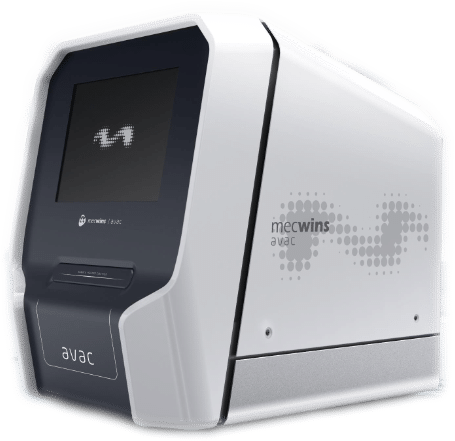
Mecwins has described its AVAC technology, which labels target proteins with plasmonic nanoparticles and counts each one individually by dark-field micro-spectrophotometry. The AVAC Analyzer reaches femtogram-range sensitivity.
Hesperos has received an SBIR Phase II grant (R44AI197758) from NIAID to expand its Malaria-on-a-Chip platform, adding support for viable, replicating parasite strains and predictive PK/PD modeling.
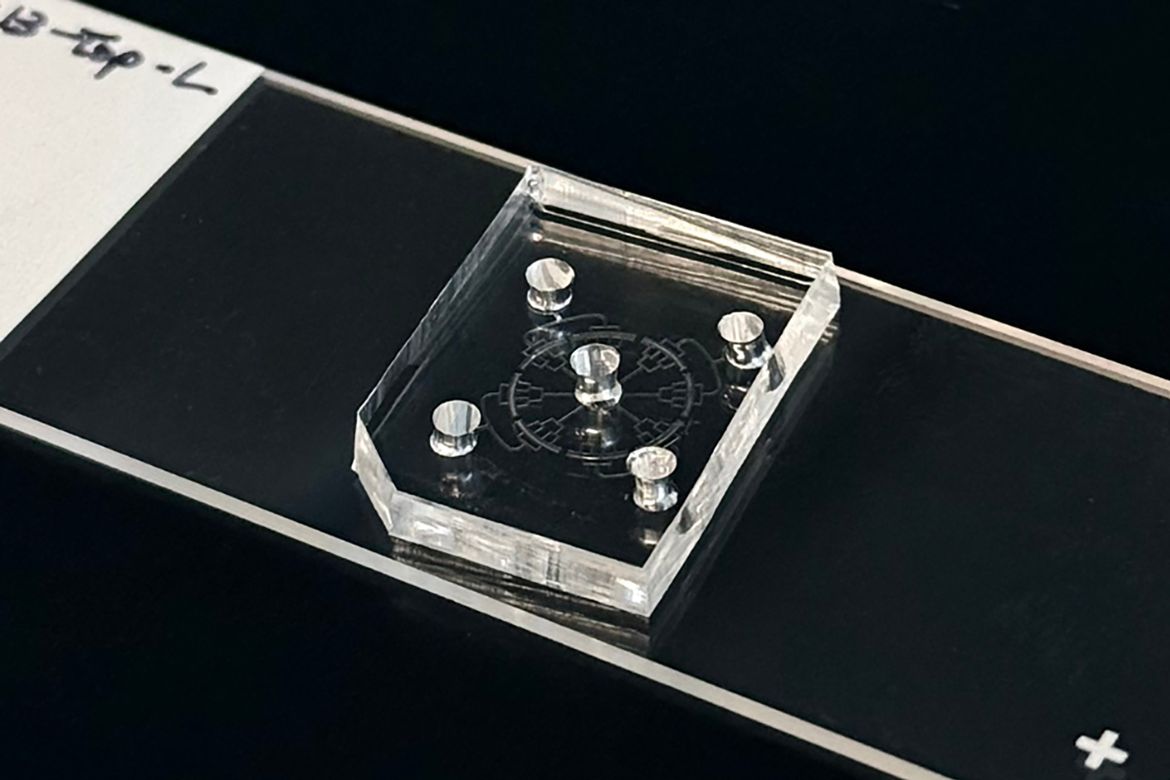
UCLA researchers have shown that briefly squeezing a cell's nucleus for milliseconds can loosen tightly packed DNA and make CRISPR activation far more effective at reprogramming cell identity. After mapping which genomic regions opened, they aimed guide RNAs at those sites, raising the share of mouse skin cells converted to neurons from about 3% to 10%. Adding a priming step that activated Oct4 pushed conversion to roughly 40%.
This week in nanotech
$105.3M raised
6 funding rounds · 35 deals tracked
New products
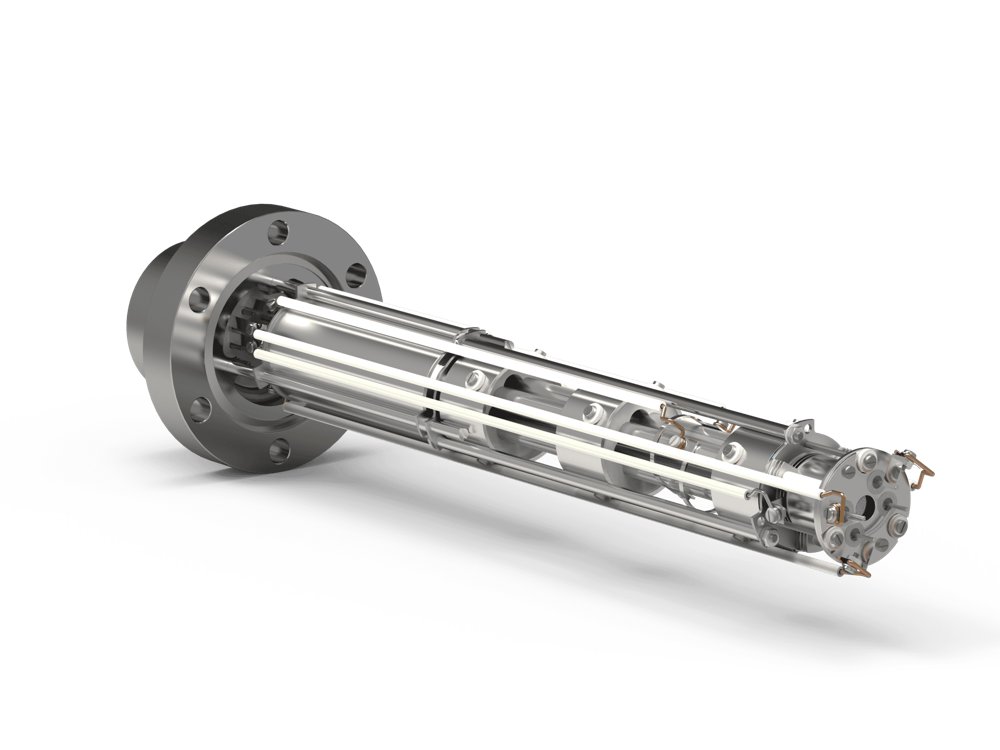 DLS-1 Mass Spectrometer for Fusion Gas AnalysisHiden Analytical Featured
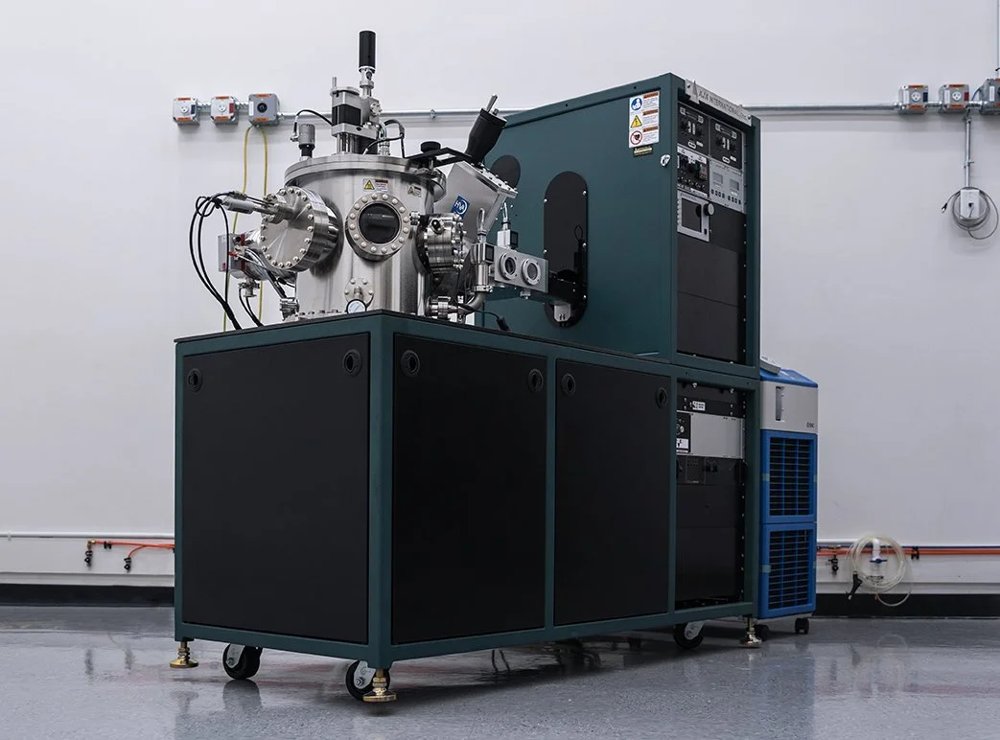 Orion Sputtering Deposition SystemsAJA International Featured
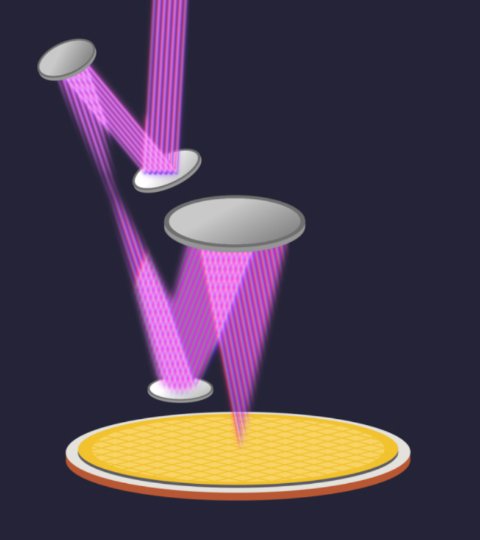 Aether®Lam Research
Market insights
Last 30 days: Quantum Technologies drew the most money: $3.17B.
Money raised per month
Behind the deal
Who invested in Photon Bridge’s $11.2M Series A?
See the investors with Insights Pro →