Kyoto University
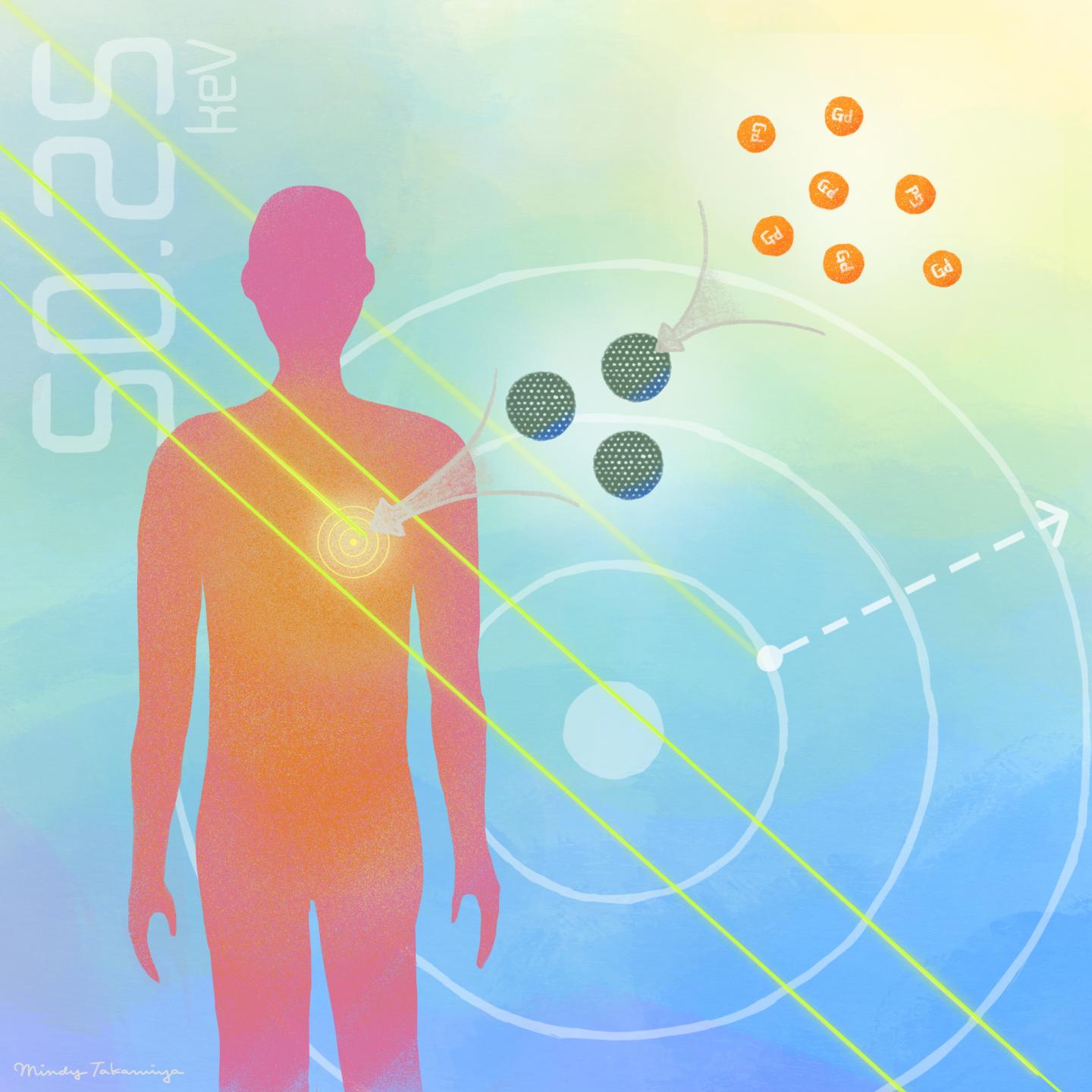
An element called gadolinium delivered into cancer cells releases killer electrons when hit by specially tuned X-rays. The approach, published in the journal Scientific Reports, could pave the way towards a new cancer radiation therapy.
"Our method opens up the possibility of selectively amplifying the effect of X-ray radiation at the tumour site," says Kotaro Matsumoto of Kyoto University's Institute for Integrated Cell-Material Sciences (iCeMS), who developed the technique with Fuyuhiko Tamanoi and colleagues in Japan, Vietnam, and the USA. "This solves one of the major problems of current radiation therapies, where only a small amount of X-rays actually reach the tumour."
Conventional radiation therapies employ polychromatic X-rays, consisting of various energy levels, with low-energy X-rays failing to penetrate the body's surface. Monochromatic X-rays, on the other hand, have the same precisely tuned energy level. If they could be aimed at electron-releasing chemical elements inside tumours, they could be damaging.
To achieve this, the researchers used specially designed silica nanoparticles that were loaded with the chemical element gadolinium. The cancer cells in a 3D tumour culture effectively consumed the particles after one day of incubation. The particles specifically located just outside tumour cell nuclei, where their most critical machinery is found.
At the SPring-8 synchrotron facility in Harima, Japan, the researchers aimed monochromatic X-rays at tumour samples containing gadolinium-loaded nanoparticles.
X-rays tuned to an energy level of 50.25 kiloelectron volts (keV) that targeted the samples for 60 minutes completely destroyed the cancer cells two days following irradiation.
Tuning the X-rays to an energy level just below 50.25keV did not have the same effect. The researchers explain that the X-rays are specifically tuned so that their energy can be absorbed by gadolinium. When they hit it, gadolinium releases low-energy electrons into the cancer cell, damaging its vital components, including DNA, and killing it.
The X-rays had no effect on cells that did not contain gadolinium-loaded nanoparticles.
"Our study demonstrates that a new type of radiation therapy for cancer can be developed," says Tamanoi. "We can expect radiation therapy with increased efficacy and less side effects."
Destruction of tumor mass by gadolinium-loaded nanoparticles irradiated with monochromatic X-rays: Implications for the Auger therapy
Kotaro Matsumoto, Hiroyuki Saitoh, Tan Le Hoang Doan, Ayumi Shiro, Keigo Nakai, Aoi Komatsu, Masahiko Tsujimoto, Ryo Yasuda, Tetsuya Kawachi, Toshiki Tajima & Fuyuhiko Tamanoi
Scientific Reports volume 9, Article number: 13275 (2019)
DOI: 10.1038/s41598-019-49978-1
Contact information:
Fuyuhiko Tamanoi
Professor at Kyoto University's Institute for Integrated Cell-Material Sciences (iCeMS)
tamanoi.fuyuhiko.2c@kyoto-u.ac.jp
Phone: 075-753-9856 (+81-75-753-9856)
Tamanoi Lab at Kyoto University
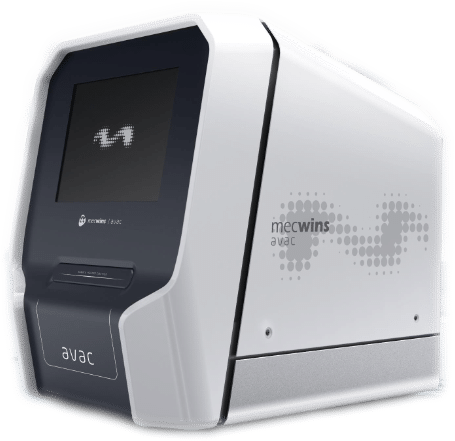
Mecwins has described its AVAC technology, which labels target proteins with plasmonic nanoparticles and counts each one individually by dark-field micro-spectrophotometry. The AVAC Analyzer reaches femtogram-range sensitivity.
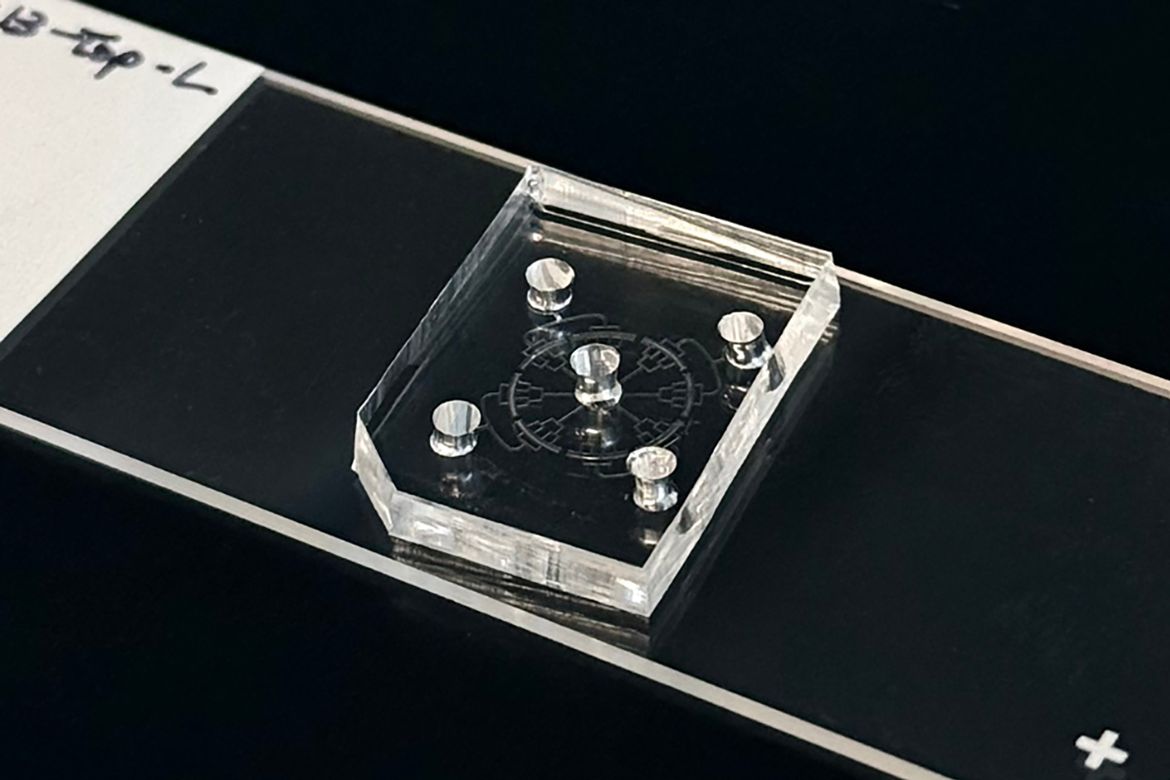
Hesperos has received an SBIR Phase II grant (R44AI197758) from NIAID to expand its Malaria-on-a-Chip platform, adding support for viable, replicating parasite strains and predictive PK/PD modeling.
UCLA researchers have shown that briefly squeezing a cell's nucleus for milliseconds can loosen tightly packed DNA and make CRISPR activation far more effective at reprogramming cell identity. After mapping which genomic regions opened, they aimed guide RNAs at those sites, raising the share of mouse skin cells converted to neurons from about 3% to 10%. Adding a priming step that activated Oct4 pushed conversion to roughly 40%.
This week in nanotech
$108.5M raised
7 funding rounds · 39 deals tracked
New products
 Ti-WCMBN Nanomaterialia Featured
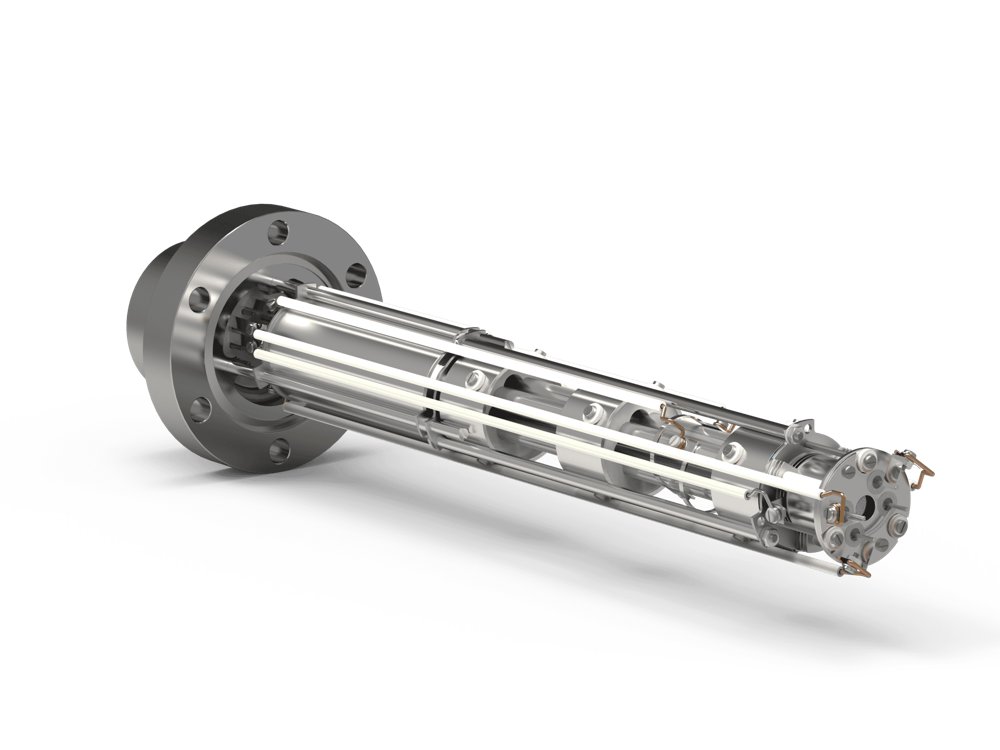 DLS-1 Mass Spectrometer for Fusion Gas AnalysisHiden Analytical Featured
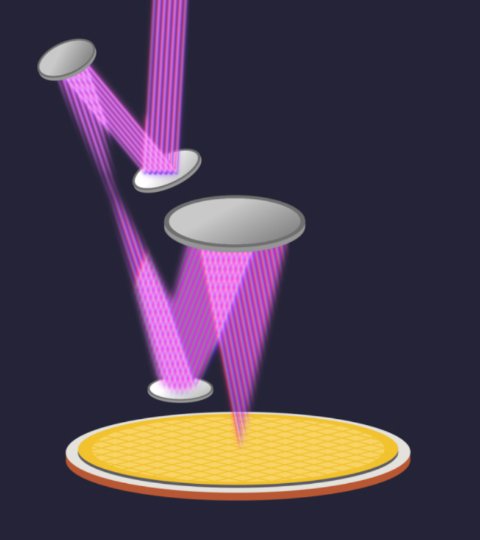 Aether®Lam Research
Market insights
Last 30 days: Quantum Technologies drew the most money: $3.17B.
Money raised per month
Behind the deal
Who led Xanadu Quantum Technologies Limited’s $10M Grant?
See the investors with Insights Pro →