Purdue University
Conventional melanoma therapies, including chemotherapy and radiotherapy, suffer from the toxicity and side effects of repeated treatments due to the aggressive and recurrent nature of melanoma cells.
Less invasive topical chemotherapies have emerged as alternatives, but their widespread uses have been hindered by both the painful size of the microneedles and the rapidly dissolving behavior of polymers used in the treatments.
Now, Purdue University innovators have created a novel wearable patch to help address the issues and provide an improved treatment experience for people with melanoma. The technology is published in the journal ACS Nano.
"We developed a novel wearable patch with fully miniaturized needles, enabling unobtrusive drug delivery through the skin for the management of skin cancers," said Chi Hwan Lee, a Purdue assistant professor of biomedical engineering and mechanical engineering. "Uniquely, this patch is fully dissolvable by body fluids in a programmable manner such that the patch substrate is dissolved within one minute after the introduction of needles into the skin, followed by gradual dissolution of the silicon needles inside the tissues within several months."
Lee said this gradual slow dissolution of the silicon nanoneedles allows for long-lasting and sustainable delivery of cancer therapeutics.
"The uniqueness of our technology arises from the fact that we used extremely small but long-lasting silicon nanoneedles with sharpened angular tips that are easy for their penetration into the skin in a painless and minimally invasive manner," Lee said.
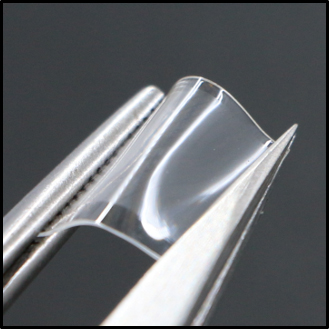
The Purdue innovators developed a novel design of bioresorbable silicon nanoneedles that are built on a thin, flexible and water-soluble medical film. The water-soluble film serves as a temporary holder that can be conformably interfaced with the soft, curvilinear surface of the skin during the insertion of the nanoneedles, followed by rapid, complete dissolution within a minute.
The surface of the nanoneedles is configured with nanoscale pores and provides a large drug loading capacity comparable to those using conventional microneedles.
Lee said the nanoneedles could deliver the chemotherapeutic drugs to target melanoma sites in a sustainable manner. The silicon nanoneedles are biocompatible and dissolvable in tissue fluids, such that they can be completely resorbed in the body over months in a harmless manner. Lee said he started working on this type of technology after seeing his daughter express fearful thoughts about needles when receiving vaccinations.
Bioresorbable, miniaturized porous silicon needles on a flexible water-soluble backing for unobtrusive, sustained delivery of chemotherapy
Hyungjun Kim, Heung Soo Lee, Yale Jeon, Woohyun Park, Yue Zhang, Bongjoong Kim, Hanmin Jang, Baoxing Xu, Yoon Yeo, Dong Rip Kim, Chi Hwan Lee
ACS Nano (2020)
Contact information:
Purdue assistant professor of biomedical engineering and mechanical engineering
lee2270@purdue.edu
Phone: 47907-2088
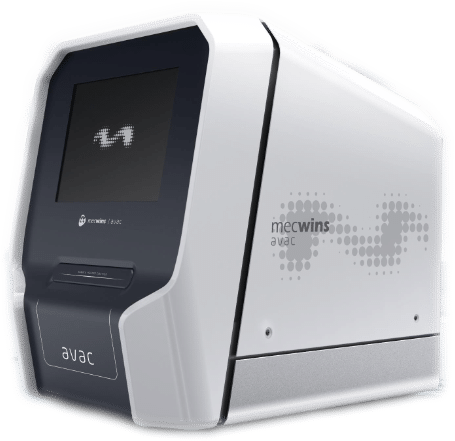
Mecwins has described its AVAC technology, which labels target proteins with plasmonic nanoparticles and counts each one individually by dark-field micro-spectrophotometry. The AVAC Analyzer reaches femtogram-range sensitivity.
Hesperos has received an SBIR Phase II grant (R44AI197758) from NIAID to expand its Malaria-on-a-Chip platform, adding support for viable, replicating parasite strains and predictive PK/PD modeling.
UCLA researchers have shown that briefly squeezing a cell's nucleus for milliseconds can loosen tightly packed DNA and make CRISPR activation far more effective at reprogramming cell identity. After mapping which genomic regions opened, they aimed guide RNAs at those sites, raising the share of mouse skin cells converted to neurons from about 3% to 10%. Adding a priming step that activated Oct4 pushed conversion to roughly 40%.
This week in nanotech
$105.3M raised
6 funding rounds · 35 deals tracked
New products
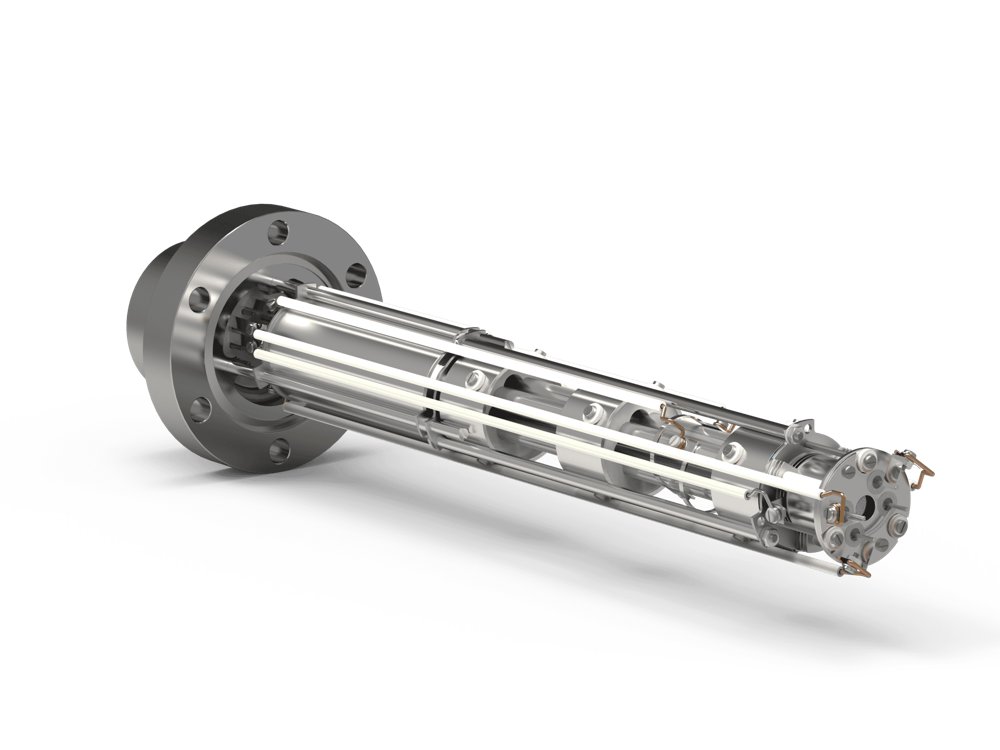 DLS-1 Mass Spectrometer for Fusion Gas AnalysisHiden Analytical Featured
 Ti-WCMBN Nanomaterialia Featured
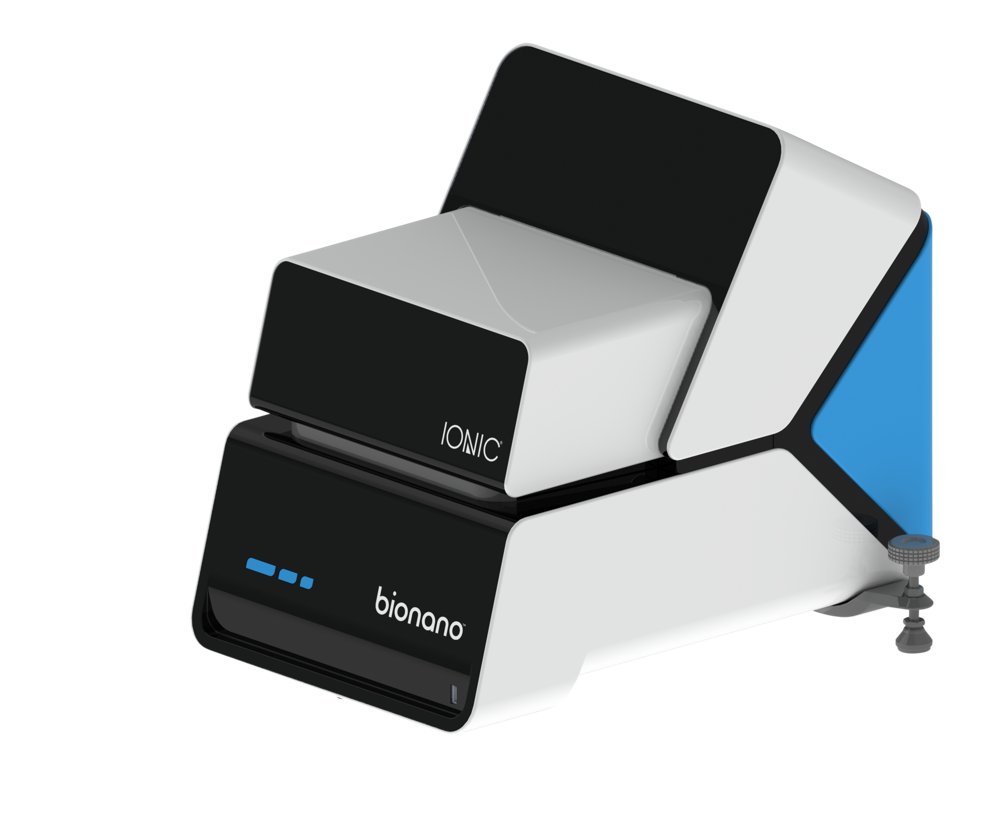 Ionic® Purification SystemBionano Genomics, Inc.
Market insights
Last 30 days: Quantum Technologies drew the most money: $3.17B.
Money raised per month
Behind the deal
Who led Xanadu Quantum Technologies Limited’s $10M Grant?
See the investors with Insights Pro →