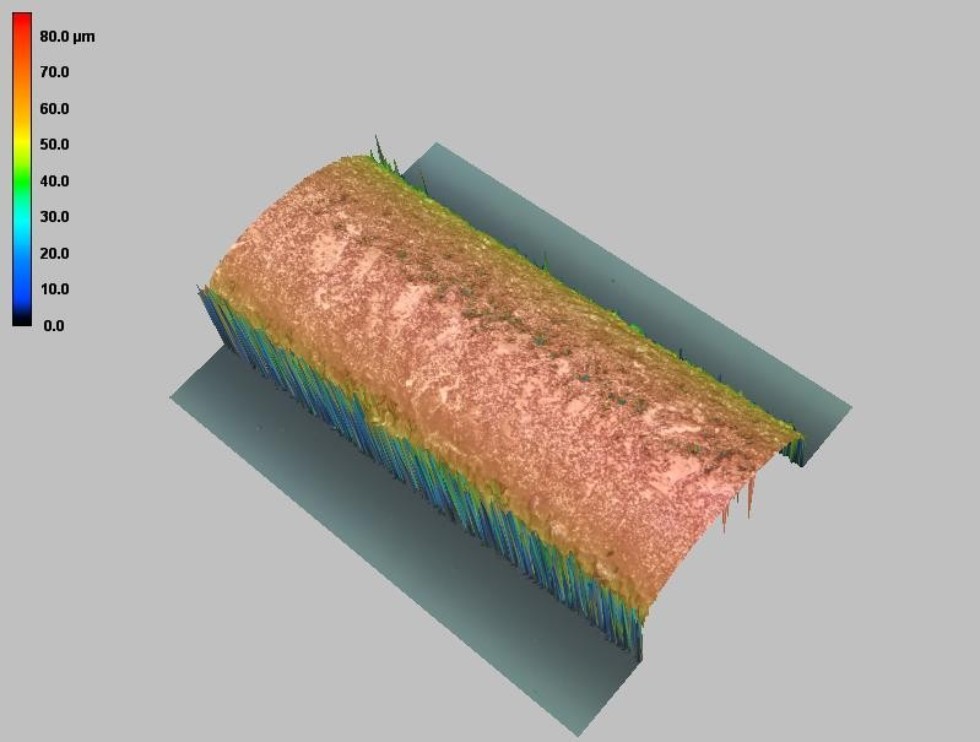
"Hair surface engineering: modification of fibrous materials of biological origin using functional ceramic nano containers", a project headed by Rawil Fakhrullin, is supported by the Russian Science Foundation.
Dr. Fakhrullin explains, "We will modify the surface of hair and other fibrous materials of natural origin by the directed formation of nano-structured layers based on functional inorganic ceramic nano containers carrying a variety of organic components. Materials of natural origin are hypoallergenic, comfortable to use, but they have rather low wear resistance, and they are prone to deformation and biodegradation. Directed modification of properties using functionalized nano materials will significantly expand the field of application of natural fibers."
Based on the close similarity of the microstructure of fibrous materials of natural origin and mammalian hair, the scientists are going to create a universal technology for modifying the surface of fibers of biological origin for use in the textile and cosmetic industries.
"By modifying the fibrous structures of natural origin, it will be possible to change their aesthetic properties (color, texture and smell), protect them from biodegradation by applying antibacterial, fungicidal and insecticidal preparations, as well as increase the fire resistance of fabrics and non-woven materials based on wool, cotton, linen and silk," elaborates Fakhrullin.
KFU bionanotechnologists will develop methods for modifying human hair. With their help, it will be possible not only to change the color of the hair, thickness, texture and aroma, but also to protect the structure of the hair and skin under them from ultraviolet radiation.
In addition, using these methods, the project head is convinced, it will be possible to create tools for applying topical anti-inflammatory drugs based on functional nano containers. When applied to human hair in affected areas of the skin, they will provide a prolonged gradual release of drugs. Veterinary preparations with a similar principle of action can be applied to the fur of farm and domestic animals for medicinal purposes.
In the process, scientists will also study the fundamental processes of self-assembly of inorganic nanoparticles on the surface of biological fibers and determine the optimal parameters for the directed modification of the properties of fibrous materials.
"Inorganic nano particles of various origin, biopolymers and their complexes will be used to study the patterns of self-assembly of nanoparticles on the surface of fibers," Fakhrullin concludes.
Naturally derived nano- and micro-drug delivery vehicles: halloysite, vaterite and nanocellulose
Anna Vikulina, Denis Voronin, Rawil Fakhrullin, Vladimir Vinokurov and Dmitry Volodkin
New Journal of Chemistry (2020)
DOI: 10.1039/C9NJ06470B
Contact information:
Rawil Fakhrullin
Associate Professor of Microbiology and Bionanotechnology
kazanbio@gmail.com
Kazan Federal University
Learn more about the Nanotechnology World Association:
Who we are | Founding Members | Board of Directors | Memberships |
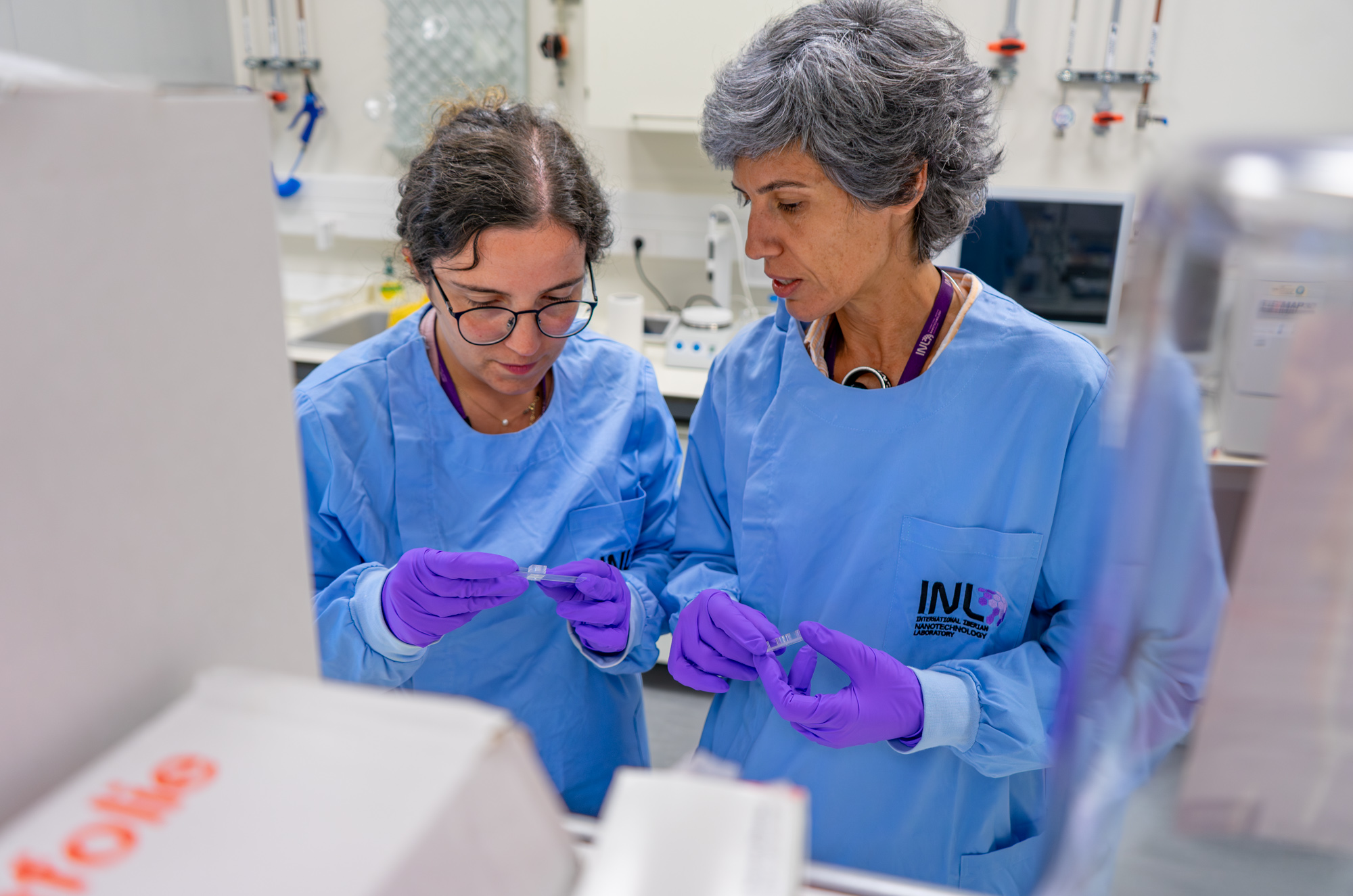
Nanoparticles are found in many everyday products, from cosmetics and textiles to air pollution. While they offer many benefits, scientists still need better ways to understand how long-term exposure may affect our skin. Researchers from Alfaro-Moreno group at INL have developed a new skin-on-a-chip platform that closely mimics human skin, providing a more realistic way to study how nanoparticles interact with our body's first protective barrier. Unlike conventional lab models (which grow...
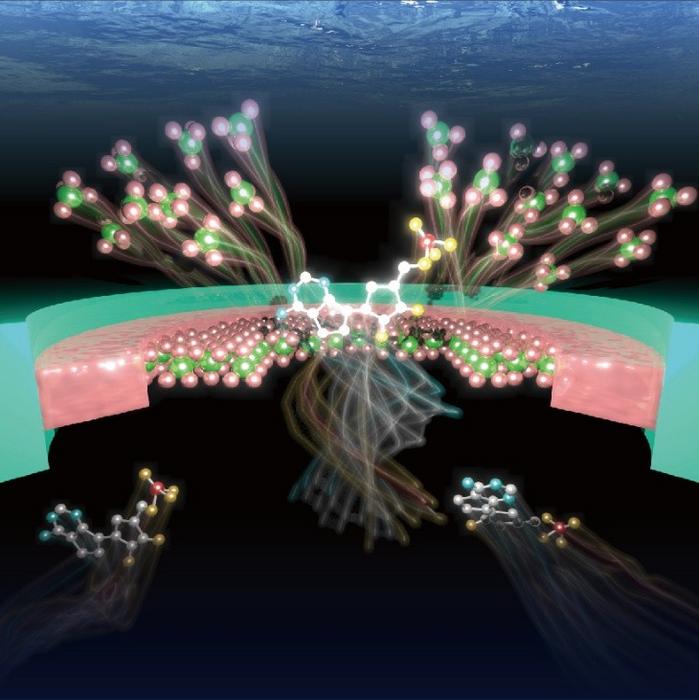
Researchers at the University of Osaka have developed an autonomous solid-state nanopore that senses molecules, generates electrical signals, and retains memory of recent events without external control. Chemical reactions inside the pore continuously reshape its structure, producing molecule-specific signal patterns. Machine learning distinguished DNA nucleotides and amino acids from these signatures. Published in ACS Nano.
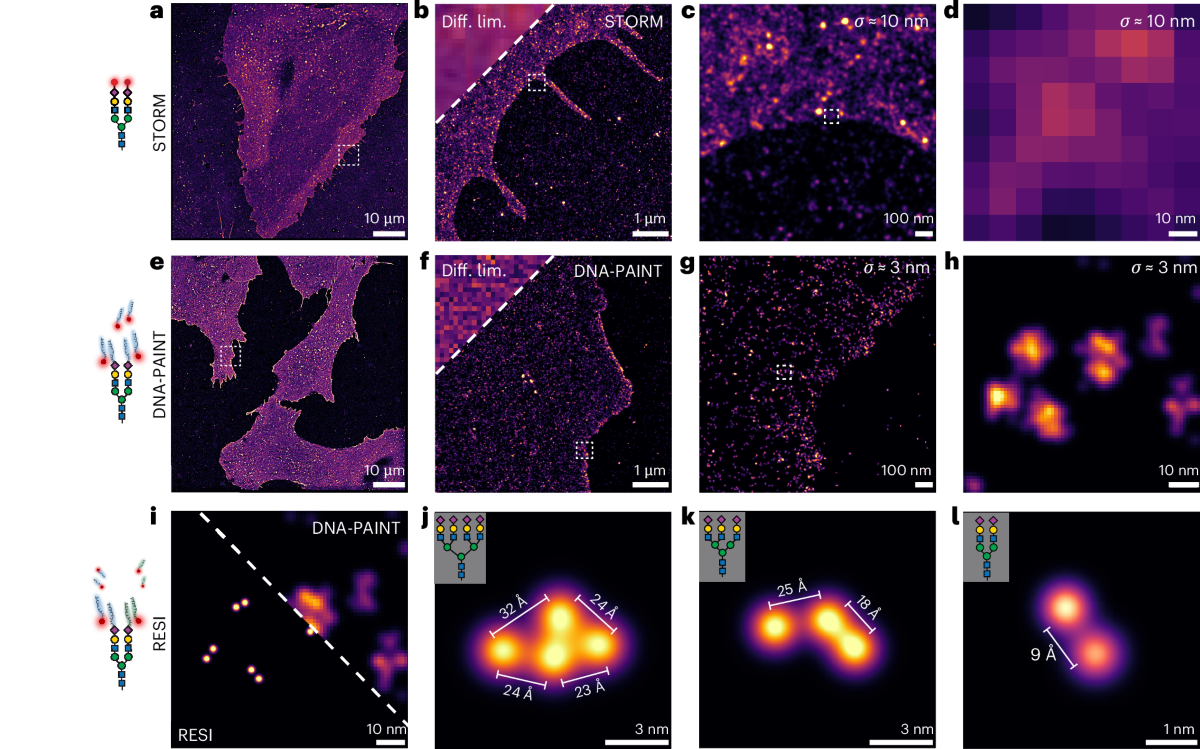
Scientists have developed “glycan atlassing,” a breakthrough super-resolution technique that maps the precise nanoscale architecture of sugars on cell surfaces. Published in Nature Nanotechnology, the method reveals that the spatial organization of glycans encodes critical information about cell state — opening powerful new possibilities for cancer diagnostics, stem cell research, and precision nanomedicine.
